Royal Gardens
Brussels, Belgium
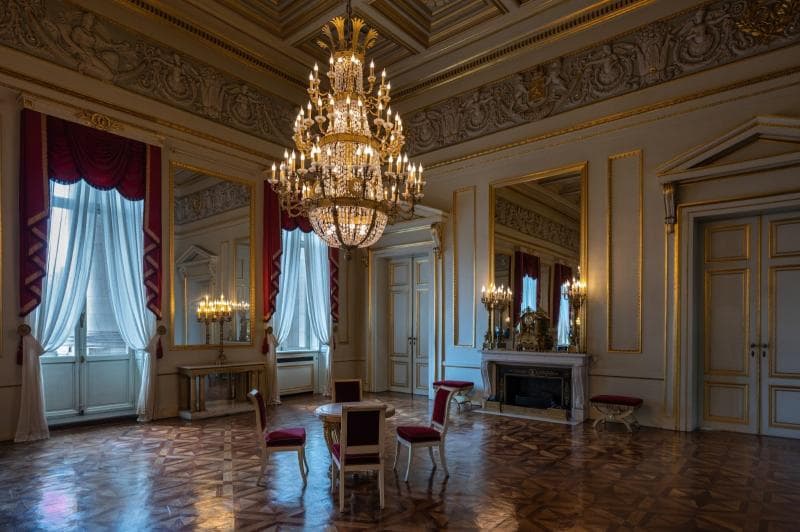
Explore the Royal Gardens of the Royal Palace of Brussels, Belgium – a formal, elegant setting complementing the stunning neoclassical architecture.
Overview
Nestled in the heart of Brussels, the Royal Gardens are an elegant and formal component of the Royal Palace of Brussels, serving as a meticulously designed foreground to this significant Belgian landmark. These gardens offer visitors a tranquil and aesthetically pleasing experience, contrasting with the bustling urban environment outside. While the broader public space known as Brussels Park (Warandepark) lies across the Place des Palais, the 'Royal Gardens' refer to the immediate, structured green areas directly accompanying the palace facade. This intimate garden space is often the final serene stop on a visit to the palace itself, providing a unique perspective on its neoclassical grandeur.
History & Cultural Background
The Royal Palace of Brussels stands on a site rich with history, once home to the Coudenberg Palace of the Dukes of Brabant, dating back to the 11th century. After the original palace was destroyed by fire in 1731, the current structure began to take shape in the late 18th century. The formal 'Royal Gardens' as they are largely seen today, are a product of significant renovations and expansions undertaken primarily during the reign of King Leopold II. Between 1904 and 1912, as part of a grand remodelling, a new formal garden was specifically added to separate the palace from the Place des Palais. This intervention by architects like Henri Maquet and Alphonse Balat, who also contributed to the palace's imposing neoclassical facade, aimed to create a coherent and majestic royal presence. These gardens reflect the architectural trends of the late 19th and early 20th centuries, where formal landscaping was integral to showcasing imperial and royal power, providing a dignified setting for the official residence of the King and Queen of the Belgians.
What Makes It Special
What sets the Royal Gardens apart is their intimate connection to the Royal Palace's neoclassical architecture. They are not sprawling botanical collections, but rather an exercise in formal, geometric design, characterized by precise hedges, manicured lawns, and elegant pathways. The gardens feature gilded railings, gates, and balustrades that frame the palace, enhancing its stately appearance. This formal layout provides an intentional transition from the public square to the royal edifice, creating a sense of order and majesty. The gardens serve as an outdoor gallery, allowing visitors to appreciate the palace's impressive scale and intricate facade details, including the allegorical sculpture of Belgium flanked by Industry and Agriculture on the pediment.
Stories, Fun Facts & Local Details
While specific tales about the small formal gardens of the Royal Palace of Brussels are not widely documented, their existence is deeply interwoven with the symbolic role of the palace. The palace itself, though the official seat of the Belgian monarchy, is not the royal family's residence; they reside at the Royal Palace of Laeken. This means the Royal Gardens serve as a majestic setting for state functions, receptions, and public ceremonies. A particularly symbolic detail, visible from these gardens, is the Belgian flag flying from the central dome of the palace. Its presence signals that the monarch is currently in the country, an understated yet powerful visual cue to the nation's governance. The precise, geometric design of the gardens can be seen as a reflection of the constitutional monarchy itself – ordered, balanced, and enduring, standing as a backdrop to the public life of the Belgian Crown. The gardens, though compact, offer a moment of serene contemplation amidst the grandeur of Brussels' royal quarter.
Visitor Perspective
For a curious traveler, the Royal Gardens provide a culminating experience to a palace visit. As the official website notes, a visit to the Royal Palace typically includes 'a short walk in the garden (250m)', offering a peaceful conclusion to exploring the opulent interiors. Stepping into these gardens, one can feel a sense of history and quiet majesty. They offer superb photo opportunities, capturing the palace facade framed by the manicured greenery and gilded accents. Despite being in the bustling city center, the formal design evokes a sense of calm and order. The experience is about appreciating the architectural harmony between the building and its immediate landscape, providing a final, lasting impression of Belgian royal heritage and architectural splendor. The gardens are not a destination in themselves for a long stroll, but rather an integral, beautiful part of the Royal Palace experience, offering perspectives that truly bring the grandeur of the palace to life.
Coordinates: 4.362, 50.842
View on Google Maps💬 How Travelers Describe This Place
Based on community votes
Photogenic
869Beautiful
445Unique
416Must See
141Interesting
33
Traveler Stories
Discover memorable experiences shared by travelers who have visited this place.
No traveler stories yet.
Be the first traveler to share what made this place memorable.

Tour
By
Spot
Discover amazing places around the world. Your journey starts here.
Explore
© 2026 TourBySpot. All rights reserved.