Royal Chapel
Madrid, Spain
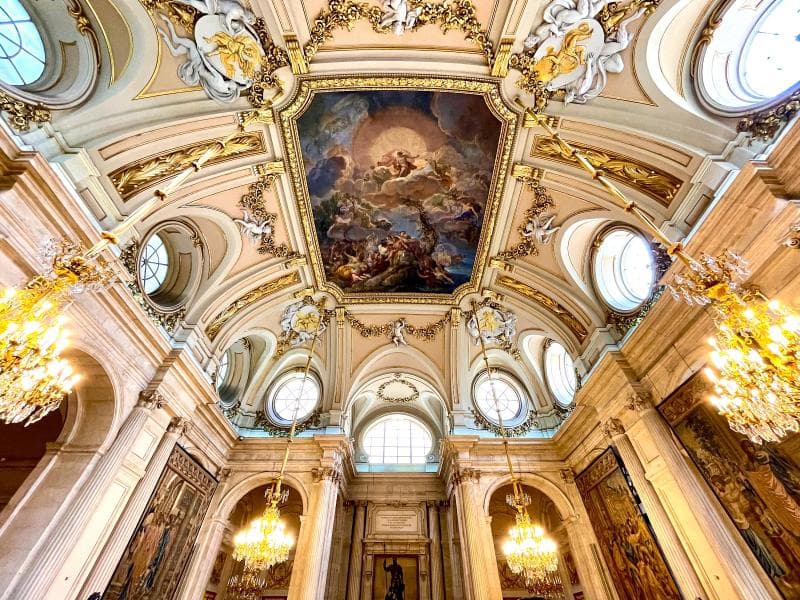
Discover the Royal Chapel in Madrid's Royal Palace, a stunning Baroque masterpiece. Explore its rich history, exquisite art, and royal ceremonies.
Overview
Nestled within the magnificent Royal Palace of Madrid, the Royal Chapel, or Capilla Real, stands as a breathtaking testament to Spanish Baroque architecture and artistic grandeur. This sacred space, integral to the royal life of Spain for centuries, offers visitors a profound glimpse into the monarchy's spiritual devotion and the rich cultural tapestry of the nation. More than just a place of worship, it is a repository of exquisite art and a stage for pivotal historical moments, presenting a harmonious blend of clear explanations, historical context, and evocative storytelling to any curious traveler.
The Royal Chapel is a stunning example of 18th-century design, characterized by its ornate decoration, soaring dome, and significant artworks by renowned artists. It remains a key highlight of any visit to the Royal Palace, inviting contemplation and admiration for its historical and aesthetic value.
History & Cultural Background
The story of the Royal Chapel is inextricably linked to the fate of its predecessor, the Royal Alcázar of Madrid. This medieval fortress, which had served as a royal residence for centuries, was tragically consumed by a devastating fire on Christmas Eve in 1734. The destruction prompted King Philip V, the first Bourbon monarch of Spain, to commission a new palace and an equally grand chapel that would rival the most splendid royal courts in Europe.
The construction of the new Royal Palace and its chapel commenced in 1738. The initial designs were conceived by the Italian architect Filippo Juvarra, whose ambitious vision set the stage for the palace's immense scale. Following Juvarra's untimely death, his pupil Giovanni Battista Sacchetti took over the project, adapting and developing the plans. Sacchetti, with the collaboration of other notable architects like Ventura Rodríguez and Francesco Sabatini, ultimately formulated the definitive project for the chapel, ensuring its grandeur and structural integrity. A significant decision made in 1742 was to locate the chapel on the first floor, a choice that maximized its volume and prominence within the palace structure. The Royal Palace, including its chapel, was largely completed by 1764, with King Charles III being the first monarch to take residence.
What Makes It Special
The Royal Chapel's distinctiveness lies in its sublime Baroque aesthetic and the masterful works of art that adorn its interiors. The chapel boasts an elliptical plan, crowned by an imposing dome that draws the eye upwards. Its interior is richly decorated with marble, intricate gilt work, and frescoes that create an overwhelming sense of splendor.
Central to its artistic appeal are the ceiling frescoes by the Italian painter Corrado Giaquinto, who was a prominent court artist during this period. His works, such as 'The Coronation of the Virgin' and 'The Triumph of Religion and the Church,' fill the dome and vaults, depicting religious scenes and allegories with vibrant colors and dynamic compositions. The main altar is graced by an 18th-century statue of the Virgin Mary and Child, sculpted by the Spanish artist Francisco Salzillo, further enhancing the chapel's spiritual focal point. The chapel's architecture incorporates striking elements such as ten large columns made from a single piece of black veined marble from Mañaria in the Basque Country, adding to its luxurious appearance.
Another remarkable feature is the organ, whose casing was designed by Ventura Rodríguez. It is considered unique in Spain not only for its intrinsic quality but also for having survived the 19th-century reforms intact, preserving its original sound and historical significance.
Stories, Fun Facts & Local Details
The Royal Chapel has been the setting for countless historical moments and continues to serve its original purpose. It is still used for religious services and significant ceremonies, including royal weddings, funerals, and official Te Deums, highlighting the enduring connection between the Spanish monarchy and the Church. For instance, it has hosted solemn events like the funerals for members of the royal family.
A fascinating detail about the entire Royal Palace, and thus the chapel, is its construction material. Built entirely of stone and brick with vaulted ceilings and no wood in the main structure, it was a deliberate design choice to prevent a repeat of the devastating 1734 fire. This architectural foresight ensured the survival of much of the palace. While the King and Queen of Spain now reside in the more modest Palacio de la Zarzuela, the Royal Palace and its chapel remain the official venue for state functions, keeping its regal spirit alive.
The meticulous planning of the chapel's placement on the first floor allowed for an elaborate processional route for the royals, who would enter through the main gallery, adorned with tapestries, before taking their places in the chapel. The presence of relics, including a piece of the True Cross, adds another layer of sacred history to this already profound space.
Visitor Perspective
Stepping into the Royal Chapel transports visitors into a world of opulent history and spiritual devotion. The sheer scale and intricate detailing can be overwhelming, yet profoundly beautiful. Expect to marvel at the artistic mastery of Giaquinto's frescoes and the rich textures of marble and gilt that envelop the space. The chapel offers a serene contrast to the grand halls of the palace, providing a moment for reflection amidst the grandeur.
For those interested in art, history, or religious architecture, the Royal Chapel is an unmissable destination within the Royal Palace of Madrid. It's a place where history resonates through every brushstroke and sculpted detail, offering a tangible connection to Spain's royal past. While the chapel is generally open for tours, it's wise to check for any closures due to state functions or special ceremonies, as it continues to be a living, active space for the Spanish Crown.
Coordinates: -3.71417, 40.41806
View on Google Maps💬 How Travelers Describe This Place
Based on community votes
Photogenic
989Must See
791Interesting
613Beautiful
514Unique
207
Traveler Stories
Discover memorable experiences shared by travelers who have visited this place.
No traveler stories yet.
Be the first traveler to share what made this place memorable.

Tour
By
Spot
Discover amazing places around the world. Your journey starts here.
Explore
© 2026 TourBySpot. All rights reserved.