Royal Box
Venice, Italy
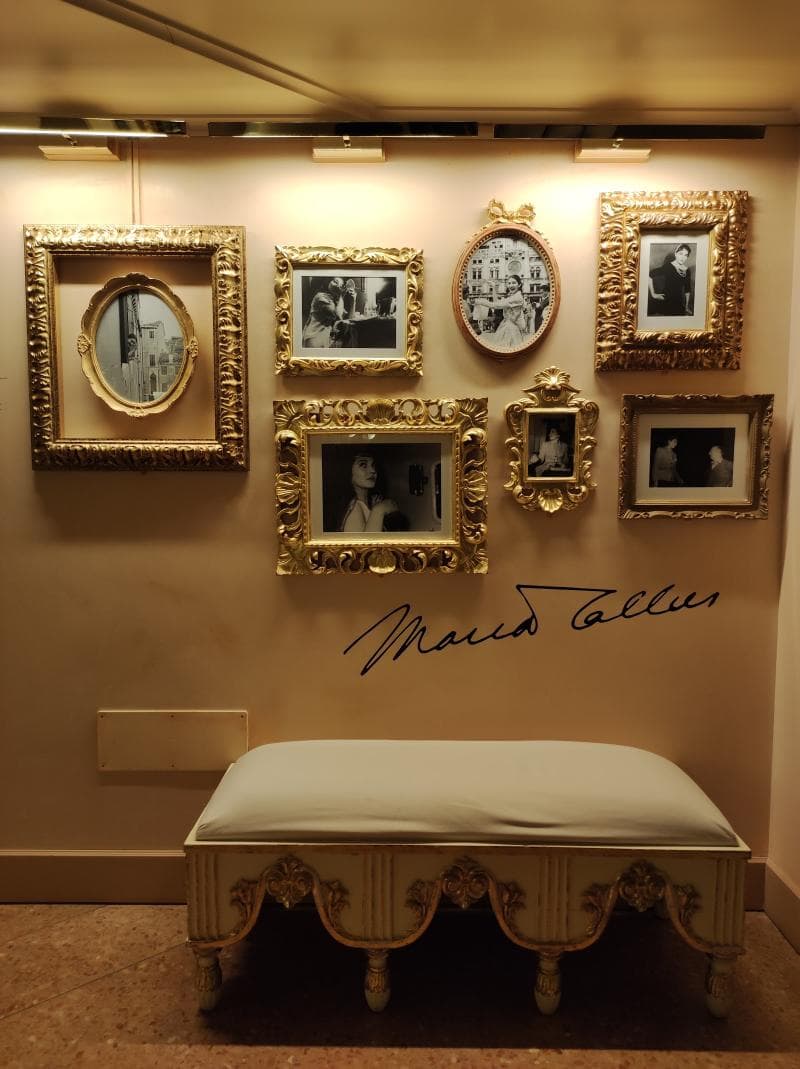
Discover the Royal Box at Teatro La Fenice in Venice, Italy – a historic sanctuary of gold and velvet, witness to centuries of operatic and royal history.
Overview
The Royal Box, or 'Palco Reale', at Teatro La Fenice in Venice, Italy, is more than just a seating area; it is a profound historical artifact and a symbol of enduring Venetian elegance and dramatic resilience. Perched perfectly within the Grand Opera Hall, this magnificent box offers an unparalleled vantage point, not only of the stage but also of the theatre's splendid audience itself. It embodies the essence of Venetian high society, where being seen was as important as seeing the performance. Today, it stands as a testament to the theatre's rich past and its miraculous ability to rise from the ashes, much like its namesake, the Phoenix.
History & Cultural Background
The story of the Royal Box is deeply intertwined with the tumultuous history of Venice. Interestingly, when Giannantonio Selva originally designed Teatro La Fenice, inaugurated in 1792, his plans did not include a designated Royal Box; all boxes were initially of equal size. This changed with the shifting political landscape of Venice. After losing its independence in 1797, Venice experienced periods under French and Austro-Hungarian rule. The need for a distinguished viewing area arose most notably with the visit of Napoleon in December 1807. A temporary, yet elaborate, loggia was constructed specifically to accommodate the Emperor. This temporary structure, depicting Apollo on a chariot, quickly became a permanent and integral feature of the theatre.
The Royal Box has had a 'tormented existence', reflecting the political and historical events of Venice. It was destroyed during the uprisings of 1848 and subsequently reconstructed. The theatre itself, true to its name 'La Fenice' (The Phoenix), has famously risen from devastating fires on multiple occasions, notably in 1836 and 1996. Each time, the Royal Box was faithfully rebuilt, relying on surviving blueprints and charred fragments to ensure its authentic restoration, adhering to the motto 'As it was, where it was'. Its side walls now bear symbols of the Italian royal family, while the Lion of St. Mark, a powerful emblem of Venice, adorns the crown of its cornice.
What Makes It Special
The Royal Box is often described as the 'crown' of Teatro La Fenice, a private sanctuary adorned with gold, velvet, and intricate ceremony. Its strategic placement ensures the most commanding view in the entire theatre, allowing occupants to gaze upon both the dramatic stage and the glittering array of the audience. Every detail within the box is meticulously crafted to exude opulence and historical grandeur. A gilded phoenix emblem crowns its arch, symbolically signifying rebirth, a motif central to the theatre's identity. Mirrored panels behind the seats were ingeniously installed to amplify the chandelier's light, enhancing the hall's brilliance.
Beyond its visual splendor, the Royal Box boasts carved balustrades, delicate gilded cherubs, and rich crimson drapery that evoke an era when opera served not only as art but also as a stage for diplomacy and social interplay. Its acoustic alignment is remarkably intentional; positioned slightly forward of the surrounding balconies, it is designed to receive the orchestra's full resonance, offering an unparalleled auditory experience. Adjacent to the main box is the Salottino Reale, a private antechamber where Venetian dignitaries and esteemed international guests, including figures like Emperor Ferdinand I and Empress Elisabeth of Austria, once gathered. The silk wall coverings and gilded moldings in this antechamber were painstakingly reproduced using traditional 18th-century Venetian looms during the last restoration, ensuring that its historical atmosphere remains perfectly preserved.
Stories, Fun Facts & Local Details
The Royal Box has been a silent witness to centuries of operatic history and pivotal social events. It was from this very vantage point that Doges, dukes, and visiting royalty experienced the world premieres of some of opera's most celebrated works, including Giuseppe Verdi's 'Rigoletto' and 'La Traviata'. Many other masterpieces by renowned composers such as Rossini, Bellini, and Donizetti also debuted within these hallowed walls. The theatre's resilience, symbolized by its name 'The Phoenix', is a captivating narrative in itself, having been rebuilt three times after devastating fires.
A fascinating detail is that the Royal Box's history is inextricably linked with European royalty, with notable visitors like Emperor Franz Joseph and Empress Sissi having graced its plush seats. It's said that the future of the Italian monarchy was even influenced here, as it was the meeting place for Vittorio Emanuele III of Savoy and Elena of Montenegro, who would later become his bride. The sheer longevity of this box, from a temporary addition for Napoleon to a permanent, iconic fixture, speaks volumes about its enduring significance and allure.
Visitor Perspective
For the curious traveler, visiting the Royal Box at Teatro La Fenice offers a unique opportunity to step back in time and immerse oneself in the grandeur of a bygone era. Guided tours of the theatre often provide access to this prestigious area, allowing visitors to experience the main hall through the eyes of the elite who once occupied it. It is a must-see destination for anyone passionate about art, architecture, music, or cultural exploration. Standing within the Royal Box, one can truly feel the continuity of history, a profound sense of connection to the power, passion, and performances that have unfolded here over centuries. It's an experience that transcends mere observation, allowing one to inherit a legacy and witness Venice's eternal rebirth in sound and light.
Coordinates: 12.33376, 45.4336
View on Google Maps💬 How Travelers Describe This Place
Based on community votes
Beautiful
953Unique
658Photogenic
585Interesting
69Must See
22
Traveler Stories
Discover memorable experiences shared by travelers who have visited this place.
No traveler stories yet.
Be the first traveler to share what made this place memorable.

Tour
By
Spot
Discover amazing places around the world. Your journey starts here.
Explore
© 2026 TourBySpot. All rights reserved.