Royal Agricultural Station
Chiang Mai, Thailand
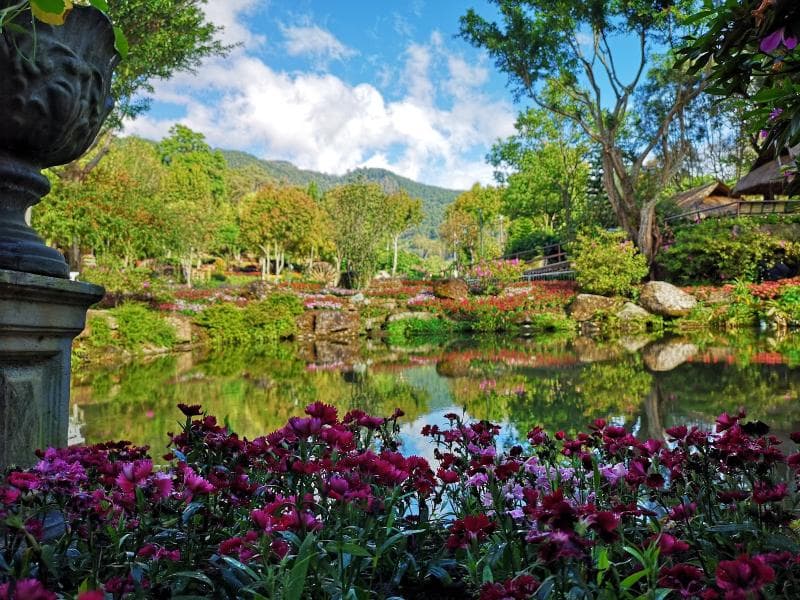
Explore the Royal Agricultural Station in Doi Inthanon National Park, Chiang Mai, Thailand. Discover its history of crop substitution and beautiful temperate gardens.
Overview
Nestled within the breathtaking landscapes of Doi Inthanon National Park in Chiang Mai, Thailand, lies the remarkable Royal Agricultural Station. Often referred to as Khun Wang Royal Agricultural Project Development Centre, this site is more than just a farm; it is a living testament to a vision of sustainable development and community upliftment. Situated approximately two hours by car from the bustling city of Chiang Mai, it offers a serene escape into a world where agriculture, research, and natural beauty intertwine.
The Royal Agricultural Station is an active research and development center focused on cultivating temperate climate crops, flowers, and even highland fisheries. It plays a crucial role in improving the livelihoods of local hill tribe communities by introducing them to innovative and sustainable farming practices. Visitors can explore its meticulously maintained gardens and greenhouses, which showcase a vibrant array of plant life thriving in the cool mountain air.
History & Cultural Background
The story of the Royal Agricultural Station is deeply rooted in the compassionate vision of His Majesty King Bhumibol Adulyadej The Great (Rama IX). The station's origins trace back to 1979 or 1980, when King Bhumibol visited the region. At that time, many hill tribe communities in the highlands were engaged in opium cultivation, leading to widespread social and environmental challenges, including poverty and deforestation.
Recognizing the urgent need for change, King Bhumibol initiated the Royal Project Foundation in 1969, an ambitious endeavor aimed at crop substitution. The Royal Agricultural Station in Doi Inthanon became a vital part of this initiative, designed to provide hill tribes, particularly the Hmong and Karen people, with alternative, high-value cash crops and modern agricultural techniques. This not only helped eliminate opium production but also fostered self-sufficiency, improved economic stability, and promoted environmental conservation among these communities.
The King's philosophy of 'sufficiency economy' guided these projects, emphasizing 'Understanding Empathy and Development' to solve critical problems of poverty, illegal farming, and natural degradation, ultimately leading to a better quality of life for highland communities.
What Makes It Special
What truly distinguishes the Royal Agricultural Station is its diverse cultivation of plants that thrive in the cool mountain climate, a stark contrast to Thailand's typically tropical environment. The station is a hub for research into and cultivation of a wide variety of temperate crops, including plums, broccoli, tomatoes, onions, radishes, bell peppers, and strawberries. It is also renowned for its fruit trees such as peaches, macadamia nuts, and passion fruit, as well as high-quality Arabica coffee and tea.
Beyond edibles, the station boasts stunning ornamental gardens featuring seasonal blooms like sunflowers, orchids, rhododendrons, and various ferns. A particularly enchanting highlight, especially during the cool season from late January to mid-February, is the blooming of the Wild Himalayan Cherry Blossoms, locally known as 'Phaya Suea Khrong.' These beautiful pink flowers transform the hillsides, earning the area the nickname 'Thailand's Sakura.' The station also conducts research in highland fisheries, with rainbow trout being a notable success.
Stories, Fun Facts & Local Details
The Royal Agricultural Station embodies a powerful narrative of transformation. Imagine the dedication required to convert vast opium fields into flourishing agricultural lands that now sustain thousands. It's said that King Bhumibol himself would carry a heavy backpack during his visits to remote areas, demonstrating his hands-on commitment to improving the lives of his people.
One fascinating detail for visitors is learning about specific crops, like the vanilla plant, which takes approximately eight months to grow before harvesting and an additional four months to process into the vanilla extract we commonly use. The seasonal spectacle of the Himalayan Cherry Blossoms is a 'fun fact' in itself; these trees are unique to Thailand and their blooming here is often among the first instances worldwide each year. Bird watchers will also find the area appealing, as Doi Inthanon is home to a diverse array of bird species.
Visitor Perspective
A visit to the Royal Agricultural Station offers a unique blend of education and tranquility. Travelers can embark on self-guided tours, wandering through lush botanical gardens and greenhouses, observing the cultivation of various crops, and witnessing agricultural research firsthand. The peaceful atmosphere, coupled with the crisp mountain air, provides a refreshing break from typical tourist trails. The opportunity to see the beautiful flower displays, especially the vibrant cherry blossoms in season, is a memorable experience.
It provides an insightful look into how the Royal Project has positively impacted local communities by fostering sustainable practices and economic opportunities. Visitors gain a deeper appreciation for Thailand's commitment to preserving its natural resources while empowering its people. Some facilities on-site may include cafes, restrooms, and even accommodations for overnight guests, allowing for a more immersive experience.
Coordinates: 98.519467, 18.542517
View on Google Maps💬 How Travelers Describe This Place
Based on community votes
Unique
585Must See
550Interesting
546Photogenic
92Beautiful
56
Traveler Stories
Discover memorable experiences shared by travelers who have visited this place.
No traveler stories yet.
Be the first traveler to share what made this place memorable.

Tour
By
Spot
Discover amazing places around the world. Your journey starts here.
Explore
© 2026 TourBySpot. All rights reserved.