Rose Garden
Oslo, Norway
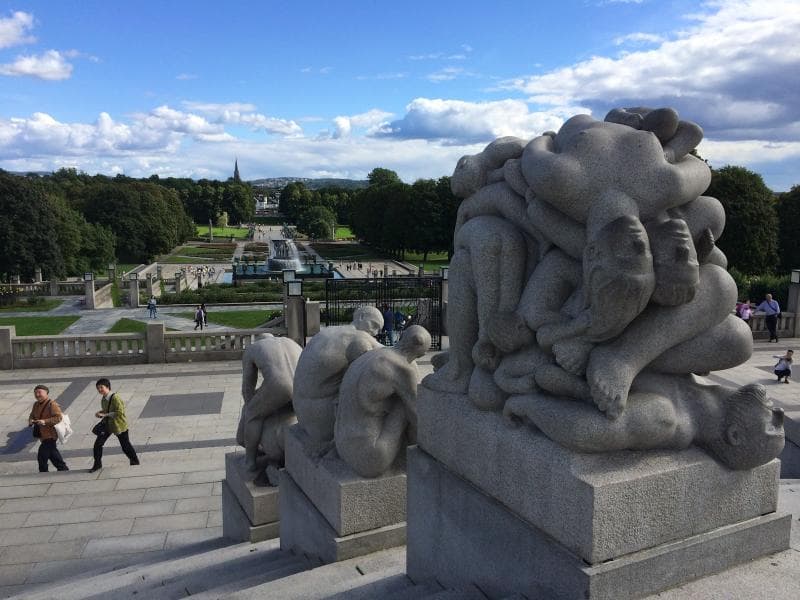
Explore the vibrant Rose Garden in Vigeland Sculpture Park, Oslo, Norway. Discover Norway's largest rose collection with 14,000 plants and 150 species.
Overview
Nestled within the magnificent Vigeland Sculpture Park in Oslo, Norway, the Rose Garden offers a serene and vibrant contrast to the powerful human drama depicted in Gustav Vigeland's sculptures. This expansive floral display is not merely a collection of flowers; it is an integral part of the larger Frogner Park, inviting visitors to immerse themselves in natural beauty amidst artistic grandeur. Often affectionately referred to by locals as 'the Rosary', this spot provides a peaceful interlude and a visual feast, particularly during its peak blooming season in summer. It is known for boasting Norway's largest collection of roses, featuring thousands of individual plants and a wide array of species.
The Rose Garden serves as a vibrant counterpoint to the bronze and granite figures that define Vigeland Park. While the sculptures command reflection on the human condition, the garden encourages a moment of tranquility and sensory delight. Its thoughtful placement within the park's carefully designed landscape highlights Gustav Vigeland's comprehensive artistic vision, which extended beyond his sculptural works to the very layout and natural elements of the park itself.
History & Cultural Background
The history of the Rose Garden is intertwined with the broader narrative of Frogner Park, Oslo's largest public green space. Originally part of the Frogner Manor estate, the land evolved from a Baroque garden in the 18th century to a Romantic park in the 19th century, before being acquired by the city of Oslo in the early 20th century. It was in this evolving landscape that Gustav Vigeland's monumental sculpture installation began to take shape from 1924 onwards, transforming a significant portion of Frogner Park into what is now colloquially known as Vigeland Sculpture Park.
While Vigeland dedicated decades to creating his iconic sculptures, he also played a crucial role in the architectural and landscape design of the entire park, ensuring a harmonious interplay between art and nature. The inclusion of a dedicated Rose Garden speaks to a long tradition of botanical gardens within grand European parks, providing areas of formal beauty and horticultural interest. This floral haven contributes to the park's dual identity as both a world-renowned open-air art gallery and a beloved recreational space for Oslo's residents and visitors alike.
What Makes It Special
What truly sets the Rose Garden apart is its impressive scale and diversity. It is celebrated as the largest collection of roses in Norway, featuring an astonishing 14,000 rose bushes representing over 150 different species. This sheer volume creates a breathtaking spectacle of color, form, and fragrance, especially when the roses are in full bloom from late June through August.
Beyond its botanical significance, the Rose Garden's special appeal lies in its integration within the unique artistic environment of Vigeland Park. It offers a soft, organic contrast to the hard lines and powerful expressions of Vigeland's granite and bronze figures. The vibrant hues and delicate petals provide a visual and aromatic relief, allowing visitors to experience a different dimension of beauty and contemplation. The garden is also a testament to eco-friendly maintenance practices, showcasing sustainable horticulture within a major public park.
Stories, Fun Facts & Local Details
While the sculptures of Vigeland Park often draw the most attention, the Rose Garden holds its own quiet charm and local significance. For many, it's a favorite spot for leisurely strolls, picnics, or simply finding a peaceful bench to soak in the beauty. The local nickname 'the Rosary' subtly suggests its role as a place for reflection, much like the prayer beads, amidst the bustling park.
A fun fact for curious travelers is that while Vigeland's sculptures are predominantly nude, reflecting his desire for timelessness and universal human themes, the Rose Garden brings a touch of classic, cultivated beauty. Its location, often described as to the left of the Bridge and leading towards the Fountain, or near the parking lot on Halvdan Svartes street, makes it easily accessible as part of the main promenade through the park. Visitors often find delight in discovering the intricate patterns and variety of roses, a subtle reminder of nature's own artistry that complements Vigeland's human-focused works.
Visitor Perspective
From a visitor's perspective, the Rose Garden offers a deeply enriching experience, especially for those seeking moments of calm and natural beauty within the grandeur of Vigeland Sculpture Park. Strolling through the meticulously arranged beds, with their profusion of blooms, can be a sensory delight, engaging sight and smell in equal measure. It's a popular spot for photography, with the colorful roses providing a picturesque backdrop, often contrasting beautifully with the park's artistic elements in the distance.
Many find it to be the most romantic part of Frogner Park, a perfect setting for quiet conversations or simply enjoying the peaceful atmosphere. Whether you are an avid gardener appreciating the botanical diversity, a casual visitor seeking a tranquil escape, or someone looking for the ideal spot for a summer picnic, the Rose Garden provides a memorable and refreshing experience in the heart of Oslo's most famous park.
Coordinates: 10.700864998621459, 59.92715532343617
View on Google Maps💬 How Travelers Describe This Place
Based on community votes
Unique
951Must See
748Interesting
491Beautiful
427Photogenic
414
Traveler Stories
Discover memorable experiences shared by travelers who have visited this place.
No traveler stories yet.
Be the first traveler to share what made this place memorable.

Tour
By
Spot
Discover amazing places around the world. Your journey starts here.
Explore
© 2026 TourBySpot. All rights reserved.