Rose Garden
Graz, Austria
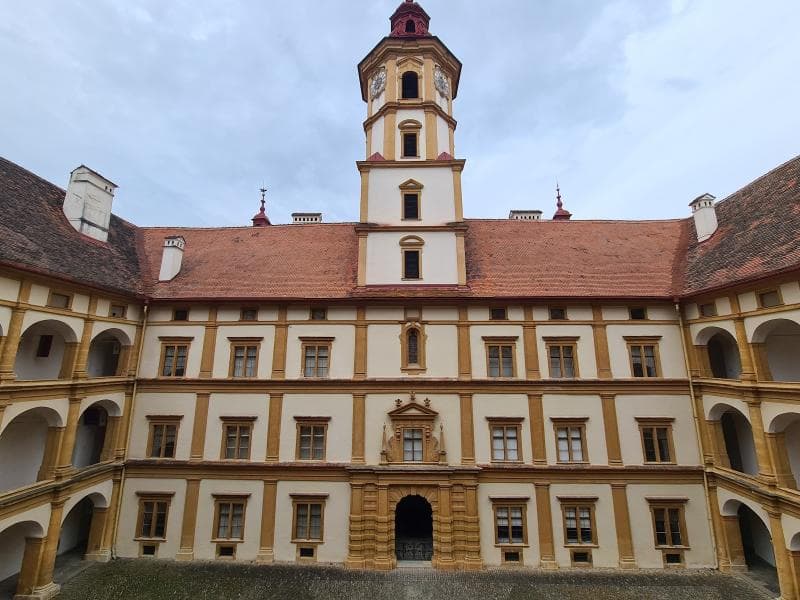
Discover the enchanting Rose Garden at Eggenberg Palace in Graz, Austria. Explore historical Biedermeier roses and serene landscapes.
Overview
Nestled within the magnificent UNESCO World Heritage-listed Eggenberg Palace gardens in Graz, Austria, lies a captivating area known for its vibrant display of roses: the Rose Garden. While the entire park offers a rich tapestry of historical garden design, the Rose Garden, particularly the 'Rose Mound' and the 'Master's Garden,' presents a serene and fragrant interlude. It's a place where history blossoms, inviting visitors to wander amidst a diverse collection of roses that tell tales of past eras and horticultural artistry. This enchanting corner of Schloss Eggenberg allows for a moment of quiet contemplation, far removed from the palace's grand architectural symbolism yet deeply connected to its centuries-old story of beauty and refinement.
History & Cultural Background
The gardens of Eggenberg Palace have undergone several transformations since their establishment in the early 17th century, always reflecting the prevailing tastes of their time. Initially conceived as a formal Baroque garden, with intricate parterres and clipped hedges, they were later extensively redesigned in the 18th century into a Rococo extravagance by Johann Leopold Count Herberstein. The most significant change, however, occurred after 1820, when the gardens were transformed into a romantic English landscape park by Count Herberstein's vision. This redesign aimed to create a 'perfect landscape-painting,' embracing a more natural, picturesque aesthetic.
It was in this 19th-century Romantic period that the 'Rose Mound' (Rosenhügel) emerged as a focal point, a masterpiece that combined a vista point with a dedicated rose garden. Further complementing this, the 'Master's Garden' (Herrschaftsgarten) was created in 1848 by head gardener Friedrich Wägener, specifically for the family's private enjoyment. This Biedermeier-era rose garden, authentically reconstructed in 2005, represents a unique historical gardening style, adding another layer of cultural depth to the palace's botanical offerings. These rose-centric areas showcase the evolution of garden art from strict Baroque forms to the more emotive and naturalistic ideals of later periods.
What Makes It Special
What makes the Rose Garden at Eggenberg Palace truly special is its blend of historical significance and sensory delight. It's not merely a collection of roses; it's a living exhibition of horticultural history, specifically showcasing varieties from the Biedermeier period. Every June, this extraordinary 'garden caprice' bursts into bloom, presenting over 350 varieties of roses. The careful reconstruction of the 'Master's Garden' ensures an authentic experience, transporting visitors back to the mid-19th century.
Beyond the visual spectacle of vibrant colours and diverse forms, the Rose Garden offers an intoxicating aroma, filling the air with the classic fragrance of old roses. This aromatic journey, combined with the peaceful atmosphere of the larger park, creates a profound sense of tranquility. Furthermore, the presence of free-roaming peacocks, often displaying their magnificent tail feathers, adds an unexpected touch of grandeur and whimsy to the natural setting, making the experience even more memorable.
Stories, Fun Facts & Local Details
The Rose Garden, particularly the Rose Mound, served a dual purpose in its 19th-century design: providing a stunning collection of roses and acting as a scenic vista point within the sprawling English landscape park. This integration of beauty and perspective speaks to the romantic ideals of the era, where gardens were composed to recreate nature in all its diversity and offer picturesque views.
Visitors often hear of 'Majesties' and other noble titles associated with the roses here. Indeed, the rose tours at Eggenberg delve into the fascination these special plants evoke, noting how varieties—often named after 'Duchesses,' 'Princesses,' and an 'Assemblage of Beauties'—seem to come on a 'state visit' to Eggenberg, enhancing the garden's regal charm. The meticulous 2005 reconstruction of the 'Master's Garden' was a testament to the commitment to preserving these historical garden elements, ensuring that their original splendour could be enjoyed by future generations. It's a place where every petal holds a whisper of the past, inviting curious travelers to uncover its stories.
Visitor Perspective
For the curious traveler, a visit to the Rose Garden at Eggenberg Palace is an experience for the senses and the soul. While the palace itself impresses with its Baroque grandeur and cosmic symbolism, the gardens, especially the Rose Garden, offer a harmonious counterpoint. Strolling along the paths, enveloped by the perfume of blooming roses and the gentle rustle of leaves, provides a peaceful escape from the bustling city. The garden encourages leisurely exploration, allowing one to appreciate the intricate details of each rose, the artistry of the garden's design, and the seamless blend of historical periods represented within the park.
It's a place where one can truly slow down, observe the delicate beauty of nature, and perhaps even catch a glimpse of a peacock wandering majestically through the greenery. The Rose Garden, as part of the accessible palace park, is a testament to Graz's rich cultural heritage and offers a unique opportunity to connect with nature and history in a deeply personal way. Whether you are a horticulture enthusiast, a history buff, or simply seeking a tranquil spot for contemplation, the Rose Garden promises a delightful and enriching experience.
Coordinates: 15.39129, 47.07389
View on Google Maps💬 How Travelers Describe This Place
Based on community votes
Beautiful
839Photogenic
445Must See
388Unique
289Interesting
141
Traveler Stories
Discover memorable experiences shared by travelers who have visited this place.
No traveler stories yet.
Be the first traveler to share what made this place memorable.

Tour
By
Spot
Discover amazing places around the world. Your journey starts here.
Explore
© 2026 TourBySpot. All rights reserved.