Rooftop Walkway
Oslo, Norway
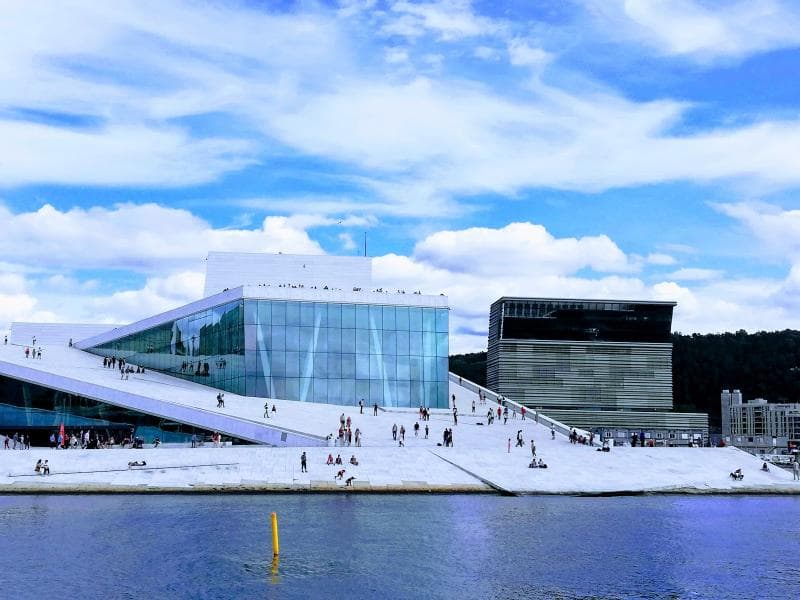
Explore the unique Rooftop Walkway of the Oslo Opera House in Oslo, Norway. Discover stunning fjord views, iconic architecture, and cultural insights.
Overview
The Rooftop Walkway of the Oslo Opera House in Oslo, Norway, is not merely an architectural feature but a groundbreaking public space designed for exploration and engagement. This unique urban landscape, resembling a gleaming white iceberg or glacier, rises gracefully from the Oslofjord, inviting visitors to ascend its sloping surfaces. Designed by the acclaimed Norwegian architectural firm Snøhetta, the Opera House, which opened in 2008, reimagined what a cultural institution could be, transforming its roof into an accessible plaza where art and nature seamlessly merge. The walkway offers unparalleled panoramic views of the city skyline, the sparkling fjord, and the distant, embrace of surrounding mountains. It stands as a testament to Norwegian values of openness and public access, providing a free and inclusive experience for everyone, whether they are attending a performance or simply enjoying a leisurely stroll.
Crafted from a combination of white Carrara marble from Italy and Norwegian granite, the extensive surface of the roof forms a tactile and visually stunning environment. It is explicitly designed to be walked upon, blurring the lines between building and landscape, and providing a fresh perspective on both the architectural marvel itself and its vibrant waterfront setting. The gentle slopes and ramps make it accessible to a wide range of visitors, creating a dynamic civic space that encourages interaction and reflection. This deliberate integration of the building with its natural and urban surroundings has cemented its status as a contemporary architectural icon and a cherished destination in Oslo.
History & Cultural Background
The vision for the Oslo Opera House, and its innovative Rooftop Walkway, emerged from a desire to redefine the relationship between a cultural institution and its public. Prior to its construction, the Bjørvika area, where the Opera House now stands, was an industrial waterfront district. The decision to build the new national opera house here, following an international competition won by Snøhetta in 2000, was central to Oslo's ambitious urban regeneration strategy. The aim was to transform this neglected area into a thriving cultural hub, giving the waterfront back to the citizens of Oslo.
The design philosophy was deeply rooted in Scandinavian values, emphasizing accessibility, inclusivity, and a strong connection to nature. Unlike traditional opera houses that often stand as imposing, exclusive monuments, the Oslo Opera House was conceived as an open, democratic space – a 'gift to the people.' The idea of a walkable roof was a radical departure, symbolizing Norway's tradition of public access to nature, where everyone is free to roam the land. This concept aimed to break down the perceived elitism of opera and ballet, making the performing arts more approachable by integrating the building into daily public life.
Upon its opening in 2008, the Opera House quickly garnered international acclaim, including the prestigious EU Prize for Contemporary Architecture (Mies van der Rohe Award) in 2009. This recognition highlighted its innovative design, cultural significance, and harmonious integration with its environment, solidifying its role as a key driver in Oslo's cultural and urban development.
What Makes It Special
The Rooftop Walkway's most distinguishing feature is its invitation to literally walk on the roof of a world-class opera house. This is a deliberate design choice that defies convention, transforming what would typically be a restricted area into an expansive public plaza. The seamless transition from the ground level to the summit of the building allows for an intimate engagement with the architecture, offering a unique tactile experience as one traverses the smooth marble and granite surfaces.
The aesthetic appeal is undeniable, with the white stone gleaming against the backdrop of the fjord and sky, often likened to an iceberg emerging from the water. This striking visual, combined with the sloping planes, creates a dynamic interplay of light and shadow throughout the day. From the highest points of the walkway, visitors are treated to breathtaking 360-degree vistas. To the south and east, the Oslofjord opens up, dotted with islands and traditional wooden summer houses. To the north and west, the urban fabric of Oslo unfolds, revealing the city's charming skyline and its relationship with the surrounding hills and mountains.
Beyond its visual grandeur, the rooftop is also a canvas for art. The subtle variations and patterns etched into the stone surface are themselves an integrated artwork, designed by Norwegian artists Kristian Blystad, Kalle Grude, and Jorunn Sannes. This fusion of architecture, landscape, and art creates a multi-sensory experience that is both reflective and stimulating, making the Rooftop Walkway a truly exceptional destination.
Stories, Fun Facts & Local Details
The concept of the Oslo Opera House's walkable roof was so ambitious that it was initially dubbed 'The Carpet' during its design phase by Snøhetta. This playful nickname underscored its role as an accessible, public ground plane, contrasting with the 'Wave Wall' (the oak interior) and 'The Factory' (the production areas).
Local legend, or perhaps just a fun design tidbit, suggests that in the initial planning stages, there was a fleeting consideration to incorporate a ski jump on the roof, highlighting the Norwegian affinity for winter sports and unconventional uses of space. While this idea didn't come to fruition, it speaks to the adventurous spirit behind the Opera House's design.
The Opera House is built on piles extending into the Oslofjord, literally rising from the water. The choice of materials, particularly the white Carrara marble, connects it visually to the icy landscapes of Norway, despite the stone's Italian origin. This material choice allows the building to dazzle, reflecting light even on overcast days, and creating a strong visual identity that resonates with the Nordic environment.
The rooftop plaza has become a popular venue for outdoor events, including free concerts and simulcasts of performances happening inside. On warm summer evenings, it transforms into a lively gathering spot for locals and tourists alike, sometimes drawing as many as 15,000 people to a single event, fostering a sense of community around the arts.
Visitor Perspective
Approaching the Oslo Opera House, one is immediately struck by its seamless integration with the waterfront. The gradual slope of the Rooftop Walkway begins at sea level, gently drawing visitors upwards. There are no gates or turnstiles, embodying the building's ethos of public accessibility. The incline is designed to be gentle, ensuring ease of movement, and for those needing assistance, elevators are also available, emphasizing full inclusivity.
Walking across the expansive roof, the sensation is one of freedom and an unusual connection to the urban landscape. The textured stone, though smooth, has subtle lines etched into it to improve grip, especially important in Oslo's often wet conditions. During summer months, the roof is generally open 24/7, offering opportunities for peaceful morning walks or dramatic sunset views perfect for photography. In winter, certain sections may be cordoned off due to ice for safety, so it is advisable to check conditions and wear appropriate footwear.
The experience is not just about the destination but the journey, as different angles of the city and fjord continually unveil themselves. It's common to see people pausing, children playing, and couples sitting in quiet conversation, reflecting on the views or simply enjoying the communal atmosphere. The Rooftop Walkway truly provides a 'space for everyone,' allowing for moments of individual reflection and collective enjoyment, making it an unforgettable part of any visit to Oslo.
Coordinates: 10.7522, 59.9075
View on Google Maps💬 How Travelers Describe This Place
Based on community votes
Interesting
886Photogenic
564Beautiful
443Must See
310Unique
233
Traveler Stories
Discover memorable experiences shared by travelers who have visited this place.
No traveler stories yet.
Be the first traveler to share what made this place memorable.

Tour
By
Spot
Discover amazing places around the world. Your journey starts here.
Explore
© 2026 TourBySpot. All rights reserved.