Rodeo Drive
Los Angeles, United States
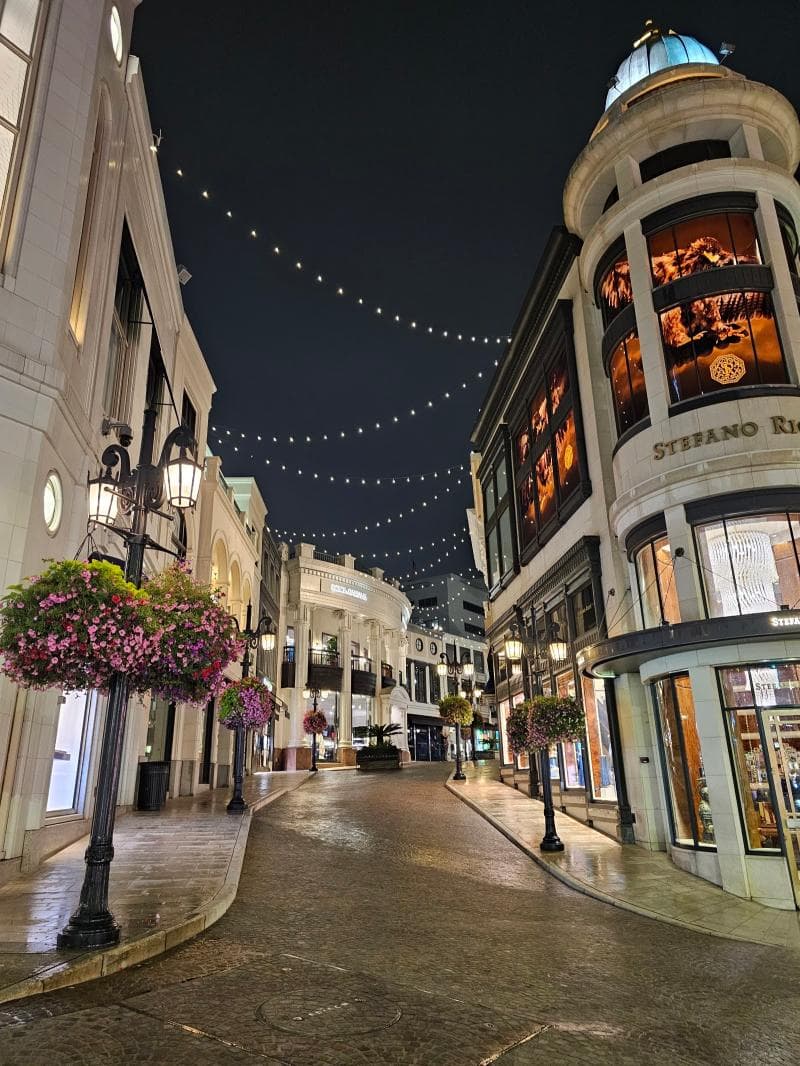
Explore Rodeo Drive in Los Angeles, United States – the iconic luxury shopping destination known for high-end boutiques, fashion history, and celebrity sightings. Discover its unique charm.
Overview
Rodeo Drive, nestled in the heart of Beverly Hills, Los Angeles, United States, is an internationally recognized symbol of luxury, fashion, and upscale living. While the street itself stretches for about two miles, its fame primarily stems from a concentrated three-block stretch between Wilshire Boulevard and Little Santa Monica Boulevard. This iconic thoroughfare is home to over one hundred of the world's most prestigious international luxury brands, housed within architecturally distinctive boutiques. It's a destination that transcends mere shopping; it's a cultural landmark offering an experience of glamour, sophistication, and a glimpse into a world of high fashion and exclusive lifestyle. Visitors often come to immerse themselves in the polished ambiance, admire the elaborate window displays, and perhaps even spot a celebrity.
History & Cultural Background
The area now known as Beverly Hills and Rodeo Drive has a rich past, far removed from its current opulent image. Originally, the land was part of Rancho Rodeo de las Aguas, named for the 'gathering of the waters,' a crucial resource in the arid landscape. Before it became a beacon of luxury, it was a working ranch where cattle grazed, and later, a sprawling lima bean farm.
In 1906, investors led by Burton E. Green purchased the property, envisioning a new community. The street, platted that same year, was named Rodeo Drive, retaining a connection to its past as a cattle-gathering area. For decades, it remained a quiet suburban street, featuring local businesses like hardware stores, gas stations, and beauty salons.
The transformation began in earnest in the 1960s. Fred Hayman, often called 'the father of Rodeo Drive,' opened Giorgio Beverly Hills in 1961, the street's first high-end boutique. This groundbreaking store, with its distinctive yellow-and-white-striped awning, offered customers unique services like cocktails while shopping and home delivery by Rolls-Royce. This success attracted other luxury brands, with Aldo Gucci opening a store in 1968, followed by Van Cleef & Arpels in 1969, and a Vidal Sassoon salon in 1970. The formation of the Rodeo Drive Committee in the early 1970s further solidified efforts to establish the street as an international center for fashionable shopping.
What Makes It Special
Rodeo Drive's allure lies in its unparalleled concentration of high-end fashion, jewelry, and lifestyle brands within a remarkably compact area. Each boutique is a meticulously designed space, often serving as a flagship store that showcases architectural artistry as much as luxury goods. Beyond the main stretch, the European-inspired Two Rodeo Drive offers a charming, cobblestone promenade with curated boutiques and a distinctly romantic atmosphere.
A significant feature is the Rodeo Drive Walk of Style, established in 2003. This unique tribute to fashion and design icons mirrors Hollywood's Walk of Fame, featuring plaques embedded in the sidewalks that honor contributors to style. The 'Torso' sculpture by Robert Graham, a nude female torso, stands as the central symbol of this walk. This blend of luxury retail, architectural statements, and cultural recognition creates an environment unlike any other shopping district in the world.
Stories, Fun Facts & Local Details
Rodeo Drive has carved its place in popular culture, most famously as a backdrop for cinematic moments. Who can forget Julia Roberts' iconic shopping spree in 'Pretty Woman' or Eddie Murphy's comedic antics in 'Beverly Hills Cop'? These portrayals have cemented its image as a playground for the rich and famous. A quirky blend of high fashion and history exists here, with surprising ties to 'cowboy culture.' The street's name itself derives from the Spanish word for 'round-up,' a nod to its ranching past. Interestingly, some events and boutiques have even celebrated this heritage with Western-themed luxury goods.
Another visual spectacle is often found outside the House of Bijan, reportedly 'the most expensive store in the world,' where a custom bright-yellow Rolls-Royce Phantom Drophead Coupe is frequently parked. The street also hosts the annual Rodeo Drive Concours d'Elegance each Father's Day, transforming the avenue into a display of classic and exotic automobiles, drawing enthusiasts globally.
Visitor Perspective
For many travelers, visiting Rodeo Drive is less about making a purchase and more about experiencing the atmosphere. It's a place where window shopping becomes an art form, offering a feast for the eyes with elaborate displays and the latest haute couture. The beautifully manicured streets, towering palm trees, and the constant parade of luxury vehicles contribute to a glamorous and visually stimulating environment.
Visitors can stroll along the palm-fringed sidewalks, explore the unique architecture, and discover the plaques of the Walk of Style. Photo opportunities abound, particularly at the famous Rodeo Drive sign, the Spanish Steps of Two Rodeo, and the 'Torso' sculpture. While the prices inside the boutiques might be prohibitive for many, the experience of simply being there, soaking in the ambiance, and observing the sophisticated clientele is entirely free and endlessly fascinating. It's a destination that promises a memorable glimpse into the iconic lifestyle of Beverly Hills.
Coordinates: -118.4018, 34.0682
View on Google Maps💬 How Travelers Describe This Place
Based on community votes
Photogenic
457Interesting
252Beautiful
147Must See
114Unique
19
Traveler Stories
Discover memorable experiences shared by travelers who have visited this place.
No traveler stories yet.
Be the first traveler to share what made this place memorable.
Things to see at Rodeo Drive



Tour
By
Spot
Discover amazing places around the world. Your journey starts here.
Explore
© 2026 TourBySpot. All rights reserved.