Rizal Shrine
Manila, Philippines
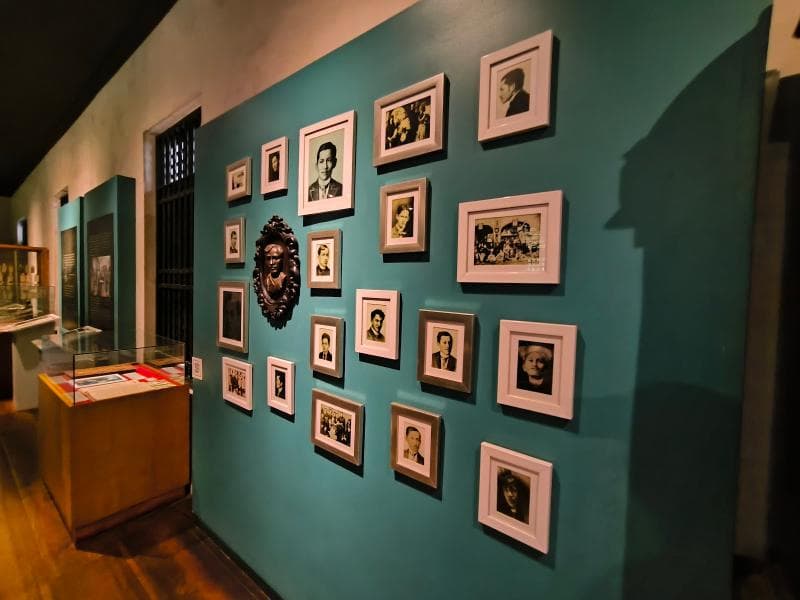
Explore the Rizal Shrine within Fort Santiago, Manila, Philippines – the historic site where national hero Jose Rizal spent his final hours before execution. Discover his legacy.
Overview
Nestled within the historic walls of Fort Santiago in Manila, Philippines, the Rizal Shrine stands as a poignant tribute to Dr. Jose Rizal, the Philippines' national hero. This significant museum is located at the very site where Rizal spent his final hours before his execution in 1896, making it a powerful landmark of national remembrance. Housed in a reconstructed barracks, it offers visitors a deeply immersive experience into the life, struggles, and ultimate sacrifice of one of the country's most revered figures.
The Rizal Shrine, also known as the Museo ni Jose Rizal Fort Santiago, is more than just a museum; it is a repository of a nation's soul, preserving memorabilia and personal effects that illuminate Rizal's unwavering commitment to his homeland. Its location within Intramuros, Manila's walled city, further embeds it within a rich tapestry of Philippine colonial history, inviting curious travelers to step back in time and connect with a pivotal moment in the nation's fight for independence.
History & Cultural Background
The story of the Rizal Shrine is inextricably linked to the final chapter of Dr. Jose Rizal's life. After being implicated in the Philippine Revolution, Rizal was imprisoned at Fort Santiago on November 3, 1896. Here, he underwent a trial that ultimately led to his conviction and death sentence by firing squad on December 26, 1896. His last night, from December 29 to December 30, was spent in a cell within Fort Santiago, a period marked by profound reflection and final farewells.
Fort Santiago itself boasts a long and complex history, first established by Spanish conquistador Miguel Lopez de Legazpi in 1571. It served as a primary defense fortress, a symbol of Spanish colonial power, and regrettably, a prison where many, including Rizal, faced their fate. The original brick barracks where Rizal was held was destroyed during the Battle of Manila in 1945 but was painstakingly reconstructed in 1953 to house the museum, securing its place as a shrine to Rizal's legacy.
What Makes It Special
The Rizal Shrine's profound emotional resonance stems from its direct connection to the hero's final days. Visitors can walk the very grounds where Rizal once paced, contemplating his destiny and composing his timeless poem, 'Mi Último Adiós' (My Last Farewell). The museum showcases a collection of his personal belongings, including shells he collected during his exile in Dapitan, manuscripts, and artworks, offering an intimate glimpse into the man behind the legend.
Perhaps one of the most moving features is the series of bronze footsteps embedded in the ground, tracing Rizal's last walk from his prison cell to the site of his execution in Bagumbayan (now Rizal Park). This tangible representation allows visitors to physically follow in his footsteps, fostering a deep sense of empathy and historical connection to his ultimate sacrifice for Philippine independence.
Stories, Fun Facts & Local Details
During his imprisonment at Fort Santiago, Rizal received several visitors, including family and friends, in his final 24 hours. It was during this period that he secretly hid his farewell poem, 'Mi Último Adiós,' inside an oil lamp. He then gave this lamp to his sister, Trinidad, along with the instruction that 'there is something inside.' This act of defiance and literary genius ensured his final message reached his people.
Another poignant detail involves his common-law wife, Josephine Bracken, whom Rizal is believed to have married in his cell just hours before his execution. He gifted her a religious book, 'Imitation of Christ,' inscribed with a dedication, a final testament of their bond. Rizal's composure in his final moments is also often recounted, walking calmly to his execution, asking to face the firing squad, and turning to face the rising sun as he fell, a symbol of hope for his beloved country.
Visitor Perspective
A visit to the Rizal Shrine offers a powerful and reflective journey. As you enter Fort Santiago and then the shrine itself, a sense of solemnity pervades the air, inviting contemplation. The museum's exhibits are designed to be informative, guiding visitors through Rizal's life story, his writings, and the political climate of his era. The reconstructed prison cell is particularly impactful, allowing one to imagine the solitude and determination that filled Rizal's final hours.
While there is an entrance fee to Fort Santiago, entry to the Rizal Shrine and its museum is free, making this vital historical site accessible to all. It is a place that educates, inspires, and fosters a deeper understanding of Philippine identity and the enduring legacy of Dr. Jose Rizal.
Coordinates: 120.96972, 14.59444
View on Google Maps💬 How Travelers Describe This Place
Based on community votes
Interesting
583Unique
404Beautiful
363Photogenic
300Must See
18
Traveler Stories
Discover memorable experiences shared by travelers who have visited this place.
No traveler stories yet.
Be the first traveler to share what made this place memorable.

Tour
By
Spot
Discover amazing places around the world. Your journey starts here.
Explore
© 2026 TourBySpot. All rights reserved.