Riverwalk
Manila, Philippines
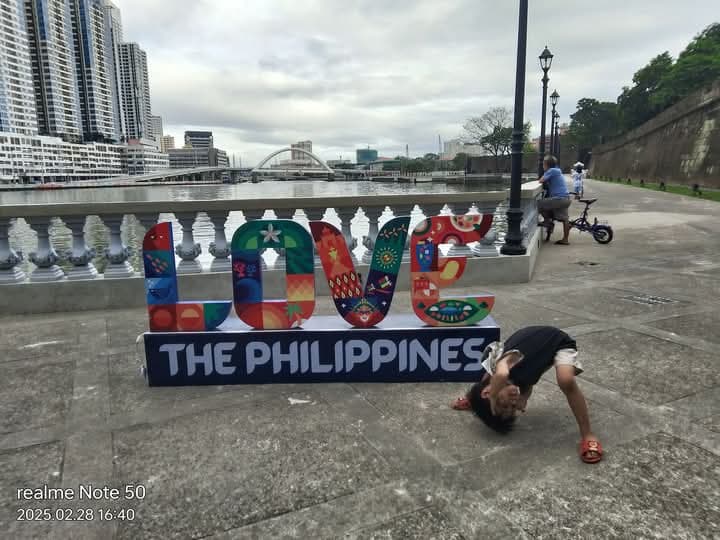
Explore the historic Riverwalk at Fort Santiago in Manila, Philippines. Discover its rich history, cultural significance, and serene views along the Pasig River.
Overview
Nestled within the historic walls of Fort Santiago in Manila, Philippines, the Riverwalk offers a serene and insightful journey along the Pasig River. This recently enhanced promenade provides visitors with a unique perspective on one of the Philippines' most significant historical sites, blending natural beauty with centuries of profound history. It serves as a testament to Manila's enduring spirit, connecting the fort's ancient fortifications with the revitalized Pasig River Esplanade. The Riverwalk invites travelers to pause, reflect, and immerse themselves in the stories embedded in its stones and waters, providing a tranquil escape amidst the bustling cityscape.
History & Cultural Background
Fort Santiago, where the Riverwalk is located, stands as a formidable sentinel built in 1571 by Spanish conquistador Miguel López de Legazpi. Its strategic position at the mouth of the Pasig River made it the primary defense fortress and military stronghold during Spain's 333-year colonial rule. Named after Saint James (Santiago), the patron saint of Spain, the fort was a crucial hub for the Manila Galleon trade, connecting Asia, the Americas, and Europe. Before the Spanish arrived, the site was a pre-Hispanic fort ruled by Rajah Sulayman, a testament to the area's long-standing strategic importance.
Throughout its long history, Fort Santiago served not only as a barracks and armory but also as a high-security prison. Countless individuals, including the Philippines' national hero, Dr. José Rizal, endured imprisonment within its walls before their executions. During World War II, the fort tragically became a prison and torture chamber under Japanese occupation, with many American prisoners of war perishing in its dungeons. These dungeons, located near the Pasig River, were designed to flood with the changing tides, making imprisonment a particularly brutal ordeal. Recognized for its immense historical significance, Fort Santiago was declared a National Monument and a 'Shrine of Freedom' in 1951, and later a National Cultural Treasure in 2014.
What Makes It Special
The Riverwalk itself is a noteworthy addition to Fort Santiago, forming part of the larger 'Pasig Bigyang Buhay Muli Project' aimed at rehabilitating and revitalizing the Pasig River. This 305-meter pathway provides a fresh perspective of the fort's robust architecture and the scenic Pasig River, offering breathtaking views of the river and the surrounding Manila cityscape. What makes it truly special is its ability to seamlessly connect visitors with the fort's rich past while offering a peaceful, contemplative present. The Riverwalk also provides an additional entry point to Fort Santiago through the historic Postigo Nuestra Señora de Soledad river gate, enhancing accessibility and allowing for a more immersive exploration of Intramuros.
Stories, Fun Facts & Local Details
One of the most poignant features related to the Riverwalk's proximity to the fort is the bronze footsteps embedded into the ground, tracing Dr. José Rizal's final walk from his cell to his execution site. Walking this path allows visitors to physically connect with a pivotal moment in Philippine history, embodying the sacrifices made for freedom. The river itself, the Pasig, once served as a vital artery for trade and defense, a silent witness to centuries of change, from pre-colonial settlements to Spanish galleons, and now to a revitalized urban landscape. The newly designed promenade also incorporates tranquil bamboo gardens, adding to its serene ambiance. Locals often visit the Riverwalk for leisurely strolls, enjoying the calm breeze and the picturesque riverside path, especially beautiful during the late afternoon.
Visitor Perspective
For the curious traveler, the Riverwalk within Fort Santiago offers more than just a scenic route; it's an opportunity for a profound historical and cultural encounter. Walking along this path, one can appreciate the strategic genius behind Fort Santiago's construction, understanding why the Spanish chose this precise location at the river's mouth. The calm atmosphere contrasts sharply with the fort's tumultuous past, inviting quiet contemplation. It's an ideal spot for history enthusiasts, students, and photography aficionados seeking to capture Manila's unique blend of old-world charm and natural beauty. The integration of the Riverwalk with the Pasig River Esplanade encourages visitors to explore the wider Intramuros area, creating a more integrated and enriching experience of Manila's walled city.
Coordinates: 120.96944, 14.595
View on Google Maps💬 How Travelers Describe This Place
Based on community votes
Photogenic
958Interesting
794Must See
785Unique
571Beautiful
546
Traveler Stories
Discover memorable experiences shared by travelers who have visited this place.
No traveler stories yet.
Be the first traveler to share what made this place memorable.

Tour
By
Spot
Discover amazing places around the world. Your journey starts here.
Explore
© 2026 TourBySpot. All rights reserved.