Riverside Paths
Edinburgh, United Kingdom
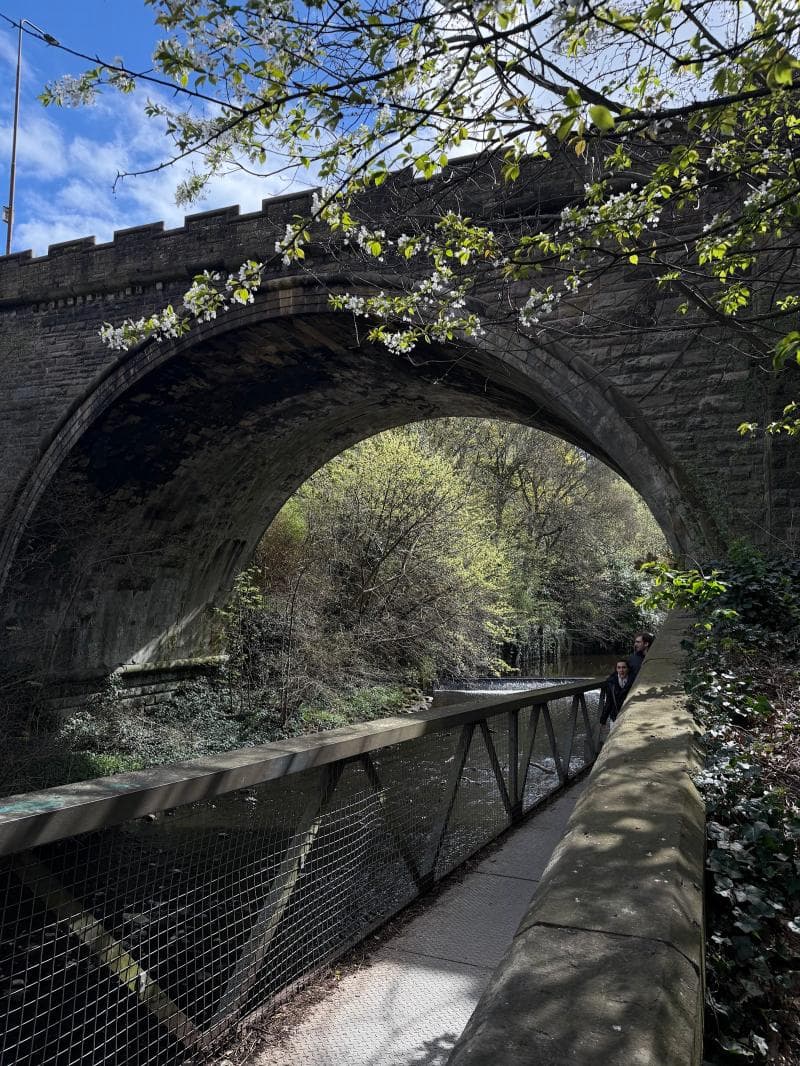
Explore the tranquil Riverside Paths of Dean Village in Edinburgh, United Kingdom. Discover historic mills, stunning architecture, and the serene Water of Leith Walkway.
Overview
Nestled in a tranquil valley just a short distance from Edinburgh's bustling city centre, Dean Village offers a picturesque escape into a bygone era. This charming former milling village, whose name 'Dean' means 'deep valley', is a cherished beauty spot situated along the gentle flow of the Water of Leith. The sub-spot known as 'Riverside Paths' refers primarily to the sections of the Water of Leith Walkway that wind through and around Dean Village, providing an accessible and serene route for leisurely strolls and quiet contemplation. Visitors are often struck by the village's unique atmosphere, a harmonious blend of historical architecture and natural beauty that feels worlds away from the urban energy of Scotland's capital.
History & Cultural Background
Dean Village traces its origins back to the 12th century, emerging as a thriving milling community known then as the 'Water of Leith Village'. For over 800 years, its existence was intrinsically linked to the Water of Leith, which powered a multitude of grain mills crucial to Edinburgh's economy and its baker incorporation. Historical records from the 15th and 16th centuries refer to it as a miller's village, with as many as eleven mills operating along the river by the end of the 17th century. Millstones and carved stone plaques depicting baked bread and pies still stand as evocative reminders of this industrious past. However, with the advent of new technologies and evolving industries in the 19th century, the traditional milling trade declined, leading to a period of diminishing fortunes for the village. By the mid-20th century, Dean Village had become a less desirable area, with many large families living in crowded conditions. A significant turning point came in the 1970s and 1980s, when extensive renovation and restoration efforts transformed it into the tranquil and desirable residential enclave it is today, preserving its historic charm for future generations.
What Makes It Special
The distinctive character of Dean Village lies in its captivating blend of historic architecture and its serene riverside location. The village is characterised by its charming stone buildings, many centuries old, which provide a window into Edinburgh's early industrial activities. Walking through its cobbled lanes, particularly along the riverside paths, visitors can admire architectural gems such as Well Court, a beautifully restored red sandstone building from the 1880s that originally housed mill workers. Its central courtyard and striking features make it a popular photographic subject. The Water of Leith Walkway itself, winding through the village, offers a peaceful route where the gentle flow of the river creates a calming backdrop. The monumental Dean Bridge, designed by Thomas Telford in the 1830s, dramatically spans the deep valley above the village, offering sweeping views and a testament to Georgian engineering. This unique combination of preserved heritage, architectural beauty, and natural tranquility makes Dean Village a truly special place to experience Edinburgh's past and present.
Stories, Fun Facts & Local Details
One of the most intriguing spots along the riverside path is St Bernard's Well, a neoclassical temple built in 1789 by Alexander Nasmyth, an Edinburgh landscape painter. This structure was erected over a natural mineral spring, and local legend suggests that drinking its waters could heal ailments ranging from arthritis to blindness. Inside the open-pillared dome stands a statue of Hygieia, the Greek goddess of health, further cementing its historical association with wellness. The design of the Well itself is said to be inspired by the Temple of Vesta at Tivoli in Italy, adding a touch of classical grandeur to the Scottish landscape. For a truly immersive experience, some suggest visiting after a heavy rainfall, when the roar of the water running from the Pentland Hills underfoot adds a dramatic auditory dimension to the peaceful setting. Dean Village's picturesque scenery has also graced the pages of literature, featuring in works by renowned Scottish authors like Ian Rankin and Peter May. As a residential area, visitors are encouraged to respect the privacy of its inhabitants by keeping noise levels low and avoiding intrusive photography of private homes.
Visitor Perspective
Exploring the Riverside Paths of Dean Village is a journey into a serene pocket of Edinburgh that feels distinct from the city's more famous attractions. It's easily accessible, often just a 10-minute walk from Princes Street, making it a convenient and rewarding detour. The experience is less about ticking off specific 'sights' and more about immersing oneself in the atmosphere, architecture, and quiet details of the village. Walking down cobbled streets like Bell's Brae and Hawthornbank Lane, or crossing the small footbridges, offers countless photographic opportunities and different perspectives of the village's charm. The Water of Leith Walkway provides the backbone for these riverside paths, connecting Dean Village to other notable spots in Edinburgh, including the Scottish National Gallery of Modern Art and extending for miles for those seeking a longer ramble. Many find the autumn months particularly enchanting as the foliage along the river changes colour, enhancing the already scenic views. To enjoy the village at its most peaceful, an early morning or late evening visit is often recommended, allowing for a tranquil encounter with this unique part of Edinburgh.
Coordinates: -3.21822, 55.95226
View on Google Maps💬 How Travelers Describe This Place
Based on community votes
Beautiful
545Must See
343Interesting
211Photogenic
74Unique
20
Traveler Stories
Discover memorable experiences shared by travelers who have visited this place.
No traveler stories yet.
Be the first traveler to share what made this place memorable.

Tour
By
Spot
Discover amazing places around the world. Your journey starts here.
Explore
© 2026 TourBySpot. All rights reserved.