Riverfront Views
Lisbon, Portugal
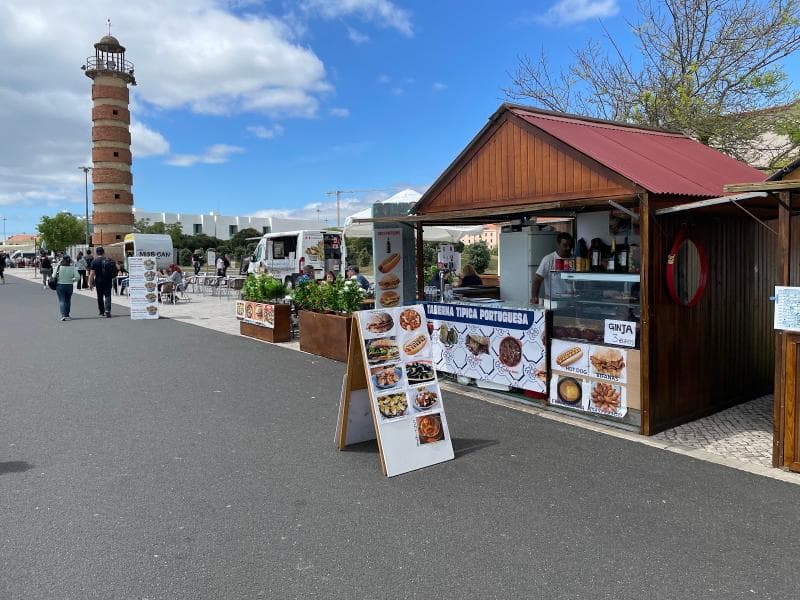
Discover the historic Riverfront Views from Belém Tower in Lisbon, Portugal, a UNESCO site embodying the Age of Discoveries.
Overview
Perched gracefully on the northern bank of the Tagus River in Lisbon, Portugal, the Belém Tower, or Torre de Belém, offers far more than just a historical edifice; it presents a profound connection to Portugal's storied past through its magnificent riverfront views. This UNESCO World Heritage Site, a symbol of the Age of Discoveries, stands as a testament to the nation's maritime prowess and adventurous spirit. From its strategic location, visitors are treated to expansive vistas of the Tagus estuary, where the river meets the Atlantic, allowing one to imagine the grand departures and triumphant returns of caravels that shaped global history.
Originally conceived as a defensive fortress and ceremonial gateway, the Tower's unique position on the river made its views integral to its function and allure. Today, these riverfront perspectives encapsulate the essence of Lisbon's seafaring heritage, inviting contemplation of the journeys that once commenced and concluded here. The interplay of the tranquil waters, the bustling cityscape, and the distant horizon creates a picturesque and historically resonant scene, making the 'Riverfront Views' from Belém Tower an indispensable part of any visit to this iconic Portuguese monument.
History & Cultural Background
The Belém Tower was constructed between 1514 and 1520, during the prosperous reign of King Manuel I, an era known as the Portuguese Renaissance and the zenith of the Age of Discoveries. Designed by the military architect Francisco de Arruda, it was built using local lioz limestone and served a dual purpose: to defend Lisbon's harbor from maritime threats and to serve as a symbolic point of embarkation and disembarkation for Portugal's intrepid explorers.
Its location was initially on a basaltic rock outcrop, effectively a small island in the Tagus River, though centuries of river changes have since connected it to the shore. This strategic placement allowed it to complement other fortifications along the Tagus, forming a robust defense system for the capital. Over its 500-year history, the Tower has adapted to various roles, transforming from a defensive outpost to a customs control point, a lighthouse, and even a political prison during the 19th century. Each transformation further etched its significance into the cultural fabric of Lisbon, making it a powerful symbol of national identity and a window into a pivotal period of world history.
What Makes It Special
What truly distinguishes the Belém Tower, beyond its architectural splendor, is its profound connection to the Tagus River and the expansive views it commands. The Tower is an exquisite example of the Manueline style, a Portuguese architectural style blending Late Gothic, Renaissance, and Moorish elements, richly adorned with nautical motifs and symbolic carvings that speak volumes of Portugal's global adventures.
Its protruding bastion, armed with cannons, once guarded the estuary, while its delicate turrets and intricate stonework tell tales of distant lands and exotic encounters. A particularly charming detail is the famous rhinoceros gargoyle on its western façade, believed to be the first stone carving of such an animal in Europe, commemorating a gift from India to King Manuel I in 1513. This unique blend of defensive practicality and artistic flourish, combined with its commanding position over the Tagus, allows visitors to not only observe history but to feel immersed in the spirit of an era when Portugal looked to the horizon, ready to explore the unknown. The vistas from the Tower are not merely scenic; they are historical panoramas, reflecting the ambition and ingenuity that defined a nation.
Stories, Fun Facts & Local Details
The Belém Tower is steeped in narratives that bring its stones to life. Imagine the sight of Vasco da Gama's returning fleet, laden with spices and treasures from India, passing by this very tower, its crew eager for their first glimpse of home. Or picture the solemn departure of explorers, for whom the Tower was the last fragment of Portugal they would see before venturing into uncharted waters.
A less-known fact is that despite its formidable appearance, the tower has a delicate side; the harmony and ornamentation led some to describe it as a 'finely cut jewel.' Its internal design, with a narrow spiral staircase connecting its five floors, including the Governor's Hall, King's Hall, Audience Hall, and Chapel, speaks to its historical utility as much as its symbolic grandeur. The rooftop terrace, the highest accessible point, offers an unparalleled vantage to appreciate the strategic importance of the Tagus. Visitors today can almost feel the whispers of history carried on the river breeze, connecting them to the golden age when Portugal reshaped the world map.
Visitor Perspective
For the curious traveler, experiencing the 'Riverfront Views' from Belém Tower is an engaging journey through time. Upon entering the tower, you can ascend through its various chambers, each offering a glimpse into its past functions. As you navigate the somewhat narrow spiral staircase, you're building anticipation for the panoramic spectacle awaiting you above.
The ultimate reward lies on the rooftop terrace. From this elevated position, the views are breathtaking: the vast expanse of the Tagus River unfurls before you, leading gracefully towards the Atlantic Ocean. To the east, you can spot the Monument to the Discoveries and the Jerónimos Monastery, both integral parts of Lisbon's Age of Discovery narrative. To the west, the river stretches out, offering a sense of boundless possibility. The changing light throughout the day transforms these vistas, from the soft hues of dawn to the golden glow of sunset, casting long shadows and painting the limestone façade in warm tones. It's a place where you can stand, reflect, and truly appreciate the strategic genius of its placement and the enduring legacy of a nation that dared to explore the world.
Coordinates: -9.21611, 38.69167
View on Google Maps💬 How Travelers Describe This Place
Based on community votes
Interesting
726Photogenic
720Beautiful
597Must See
300Unique
300
Traveler Stories
Discover memorable experiences shared by travelers who have visited this place.
No traveler stories yet.
Be the first traveler to share what made this place memorable.

Tour
By
Spot
Discover amazing places around the world. Your journey starts here.
Explore
© 2026 TourBySpot. All rights reserved.