Riverfront Viewpoint and Ferry Pier
Bangkok, Thailand
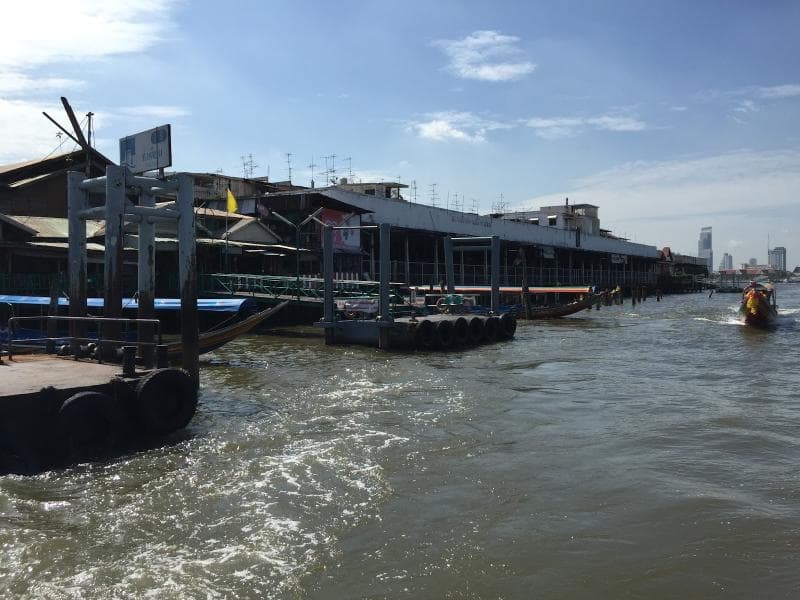
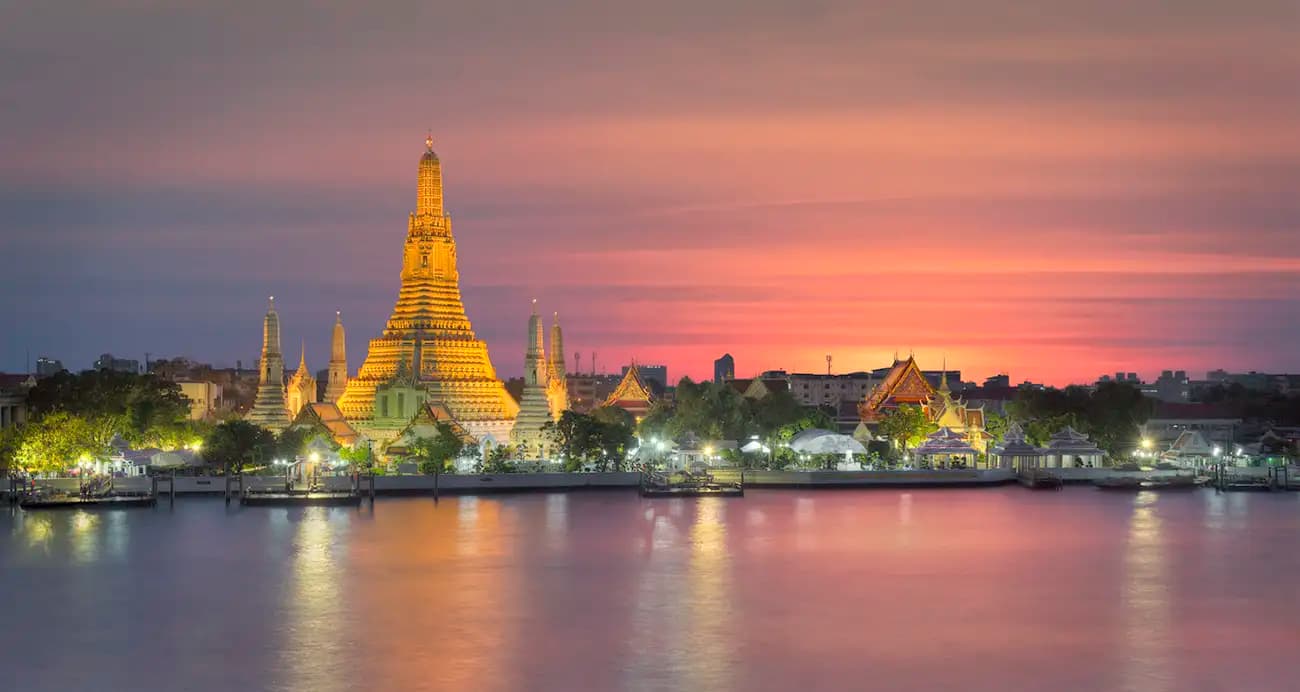
Discover Wat Arun's Riverfront Viewpoint and Ferry Pier in Bangkok, Thailand, offering stunning Chao Phraya River views and historical context.
Overview
Nestled on the west bank of the majestic Chao Phraya River in Bangkok, Thailand, the Riverfront Viewpoint and Ferry Pier of Wat Arun offers more than just a means of transport; it's an integral part of the experience of visiting the iconic Temple of Dawn. This vibrant sub-spot serves as the primary gateway for countless visitors arriving by boat, providing a captivating introduction to one of Thailand's most revered landmarks. From the moment you step onto the pier, the visual grandeur of Wat Arun's towering prangs, adorned with intricate porcelain, immediately commands attention, shimmering under the tropical sun. The area around the pier is a bustling nexus where ancient traditions meet modern-day travel, reflecting Bangkok's enduring connection to its 'River of Kings'. It's a place where the sounds of ferry horns, the gentle lapping of water, and the distant city hum create a unique symphony, setting the stage for the cultural immersion that awaits within the temple grounds.
History & Cultural Background
The Chao Phraya River has historically been the lifeblood of Bangkok, and the area around Wat Arun, including its riverfront, holds deep historical significance. The temple itself dates back to the Ayutthaya Kingdom, originally known as Wat Makok. Its prominence surged during King Taksin's reign in the late 18th century, when he established his new capital in Thonburi and made Wat Arun (then called Wat Chaeng) the royal temple, even briefly housing the revered Emerald Buddha. The ferry pier, in essence, is a continuation of this rich legacy of river-based transport that has shaped Bangkok's development for centuries. It symbolises the city's growth from a riverside settlement to a bustling metropolis, with the river remaining a vital artery for daily life and spiritual journeys. The ebb and flow of the river, and the continuous movement of boats to and from the pier, echo the passage of time and the enduring cultural importance of this sacred site.
What Makes It Special
What truly distinguishes the Riverfront Viewpoint and Ferry Pier is its unique vantage point and immersive atmosphere. Arriving at Wat Arun by ferry isn't just travel; it's a ceremonial approach that unveils the temple's splendour progressively. As the ferry glides across the water from Tha Tien Pier, the full panorama of Wat Arun's dazzling spires, especially the central prang reaching over 80 meters high, comes into breathtaking view. The intricate mosaic of colourful Chinese porcelain and seashells adorning the prangs catches the light, creating a sparkling spectacle that changes with the sun's position. From the viewpoint on the riverfront, visitors can appreciate the sheer scale and detailed artistry of the temple's architecture, a fusion of Thai and Khmer styles, with the central prang symbolising Mount Meru, the cosmic mountain. The proximity to the river also allows for an unparalleled photographic opportunity, capturing the temple's reflection on the water or its illuminated form after dusk, a truly magical sight.
Stories, Fun Facts & Local Details
The name 'Wat Arun' itself, meaning 'Temple of Dawn', is steeped in lore, said to be inspired by King Taksin's arrival at the temple at sunrise. A fascinating detail about the temple's ornamentation is that the colourful porcelain shards and seashells were originally used as ballast by Chinese trading ships arriving in Bangkok. These discarded materials were ingeniously repurposed by artisans to create the temple's distinctive and glittering facade, turning humble fragments into a grand artistic statement. The ferry service connecting Wat Arun with Tha Tien Pier across the river is incredibly affordable and runs frequently, making it a beloved local detail for seamless exploration of major riverside attractions like Wat Pho and the Grand Palace. This short boat ride is a cultural experience in itself, offering a glimpse into the daily rhythm of life on the Chao Phraya for both locals and tourists alike. The riverfront area around the pier is also a hub of activity, with vendors and smaller boats contributing to the lively ambiance.
Visitor Perspective
For visitors, the Riverfront Viewpoint and Ferry Pier is more than just a functional entry point; it's the beginning of an unforgettable journey. The best times to experience the viewpoint are arguably during sunrise or sunset, when the temple's glittering surface is cast in a golden glow, or after dark when it's magnificently illuminated. Many travelers choose to visit in the early morning to avoid crowds and the midday heat, enjoying the peaceful atmosphere and softer light for photography. The ferry ride is often highlighted as a memorable part of the visit, offering unique photo opportunities of the temple from the water. While inside the temple grounds, visitors can ascend the steep steps of the central prang for panoramic views of the river, the Grand Palace, and Wat Pho. Remember to dress respectfully, covering shoulders and knees, as Wat Arun remains an active and sacred place of worship. The blend of stunning architecture, rich history, and the vibrant river setting ensures that the Riverfront Viewpoint and Ferry Pier leaves a lasting impression on every traveler.
Coordinates: 100.48889, 13.74361
View on Google Maps💬 How Travelers Describe This Place
Based on community votes
Interesting
950Must See
929Unique
858Photogenic
287Beautiful
275
Traveler Stories
Discover memorable experiences shared by travelers who have visited this place.
No traveler stories yet.
Be the first traveler to share what made this place memorable.

Tour
By
Spot
Discover amazing places around the world. Your journey starts here.
Explore
© 2026 TourBySpot. All rights reserved.