Riverfront Area
Yangon, Myanmar
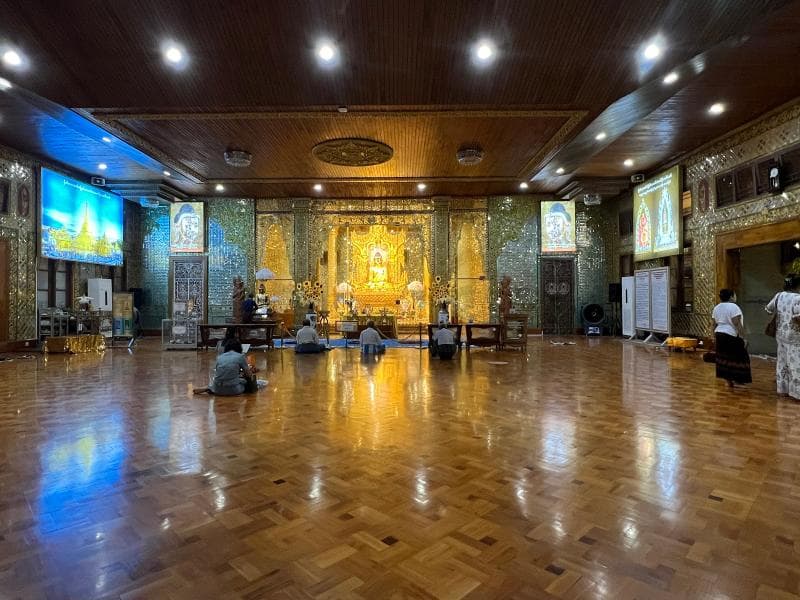
Explore Botataung Pagoda's riverfront in Yangon, Myanmar, a unique hollow stupa housing Buddha relics with stunning Yangon River views and rich history.
Overview
The Riverfront Area of Botataung Pagoda offers a unique spiritual and scenic experience in the heart of Yangon, Myanmar. Situated directly on the bustling banks of the Yangon River, the pagoda itself is a revered Buddhist temple believed to be over 2,500 years old. Unlike many traditional stupas, Botataung Pagoda is hollow, inviting visitors to walk through its gilded, mirrored interior, marveling at ancient relics and artifacts. This riverside location not only provides a tranquil escape from the city's vibrant energy but also a dynamic backdrop of maritime life, with ferries and boats traversing the waters.
The pagoda complex stands as a beacon of faith and resilience, a testament to Myanmar's rich spiritual heritage. Its prominence is enhanced by its strategic position, allowing for picturesque views of the river, especially during sunrise and sunset. The 'Riverfront Area' here refers to the pagoda's direct vicinity and access to the Yangon River, including a jetty that serves as a connection point to local life and offers scenic pauses.
History & Cultural Background
The history of Botataung Pagoda is deeply intertwined with ancient legends and the propagation of Buddhism in Southeast Asia. Its name, 'Botataung,' is derived from the Burmese words 'Bo' (leader) and 'tahtaung' (one thousand), translating to '1,000 military officers.' This name honors a significant event believed to have occurred over two millennia ago when a thousand military leaders formed an honor guard to welcome sacred hair relics of the Buddha brought from India.
Built by the Mon people, Botataung Pagoda is thought to have been constructed around the same time as Yangon's other iconic pagodas, like Shwedagon, approximately 2,500 years ago. Tragically, the original structure was almost entirely destroyed during World War II, specifically on November 8, 1943, by Allied bombings targeting the nearby Yangon wharves. However, its story took a miraculous turn during its rebuilding efforts, which commenced in 1948. Workers discovered a relic chamber containing a stone casket, within which were found various precious artifacts, including two small body relics and a sacred hair of the Buddha. A terracotta plaque found alongside these relics, bearing ancient Mon script, further corroborated the pagoda's ancient origins and its connection to the Mon people.
What Makes It Special
What truly sets Botataung Pagoda apart, especially in its riverfront setting, is its distinctive architectural feature: a hollow stupa. Unlike most pagodas in Myanmar which are solid, Botataung allows visitors to step inside its main stupa. As you wander through its interior, you're enveloped in a shimmering, maze-like walkway adorned with gold leaf and mirrored walls. Along this path, glass showcases display a remarkable collection of ancient relics and artifacts that were carefully preserved and unearthed during the post-war reconstruction.
The ultimate highlight within this golden labyrinth is the sacred hair relic of the Buddha, enshrined and visible behind clear glass, offering a profound moment for devotees and curious travelers alike. Beyond its unique interior, the pagoda's location on the Yangon River's edge offers a captivating fusion of spirituality and everyday life. The cool breezes from the river, the sight of ferries gliding by, and the panoramic views, particularly at dawn or dusk, add an exceptional dimension to the visit, making it a truly immersive experience.
Stories, Fun Facts & Local Details
The very name 'Botataung' carries with it a powerful legend of devotion and protection. The tale of one thousand military officers escorting the Buddha's hair relics from India to this sacred spot over 2,000 years ago gives the pagoda its name and a deep historical resonance. Within the pagoda complex, visitors will also find shrines dedicated to revered Nats, or spirits, which reflect the syncretic nature of Burmese spirituality that blends animist beliefs with Theravada Buddhism.
Notably, there is a shrine for Bo Bo Gyi, the guardian spirit of the pagoda, believed by many to grant wishes and offer protection. Another significant figure is Mya Nan Nwe, often referred to as the Whispering Goddess, whose shrine is a place where devotees offer prayers for prosperity, success, and peace of mind. Surrounding the pagoda, local vendors often offer an array of traditional offerings such as coconuts, bananas, and shawls for those wishing to partake in local customs. Annually, during the dry season, the pagoda hosts a vibrant festival that includes traditional activities like weaving contests and Htamane (sticky rice) cooking competitions, providing a glimpse into local cultural celebrations.
Visitor Perspective
Visiting the Botataung Pagoda's Riverfront Area is an unhurried journey into Myanmar's spiritual and cultural heart. The opportunity to physically walk inside the main stupa provides a perspective rarely found in other Buddhist sites, allowing for an intimate connection with its history and relics. The serene atmosphere, coupled with the gentle sounds and sights of the Yangon River, creates a peaceful ambiance, ideal for quiet contemplation away from the city's usual hustle.
Travelers are often advised to visit during the cooler months, from October to February, to avoid the intense heat and rainy season. The early morning or late afternoon into sunset hours are particularly recommended for softer light, cooler temperatures, and the chance to witness breathtaking panoramic river views. Modest attire, covering shoulders and knees, and removing shoes are customary requirements out of respect for the sacred site. While exploring, visitors can take a moment at the nearby Botataung Jetty to watch local ferries and observe daily life unfold on the river, feeding birds and soaking in the authentic local rhythms. A typical visit might take one to two hours, offering ample time to appreciate its unique features and tranquil surroundings.
Coordinates: 96.171973, 16.768449
View on Google Maps💬 How Travelers Describe This Place
Based on community votes
Beautiful
958Must See
794Interesting
565Unique
157Photogenic
28
Traveler Stories
Discover memorable experiences shared by travelers who have visited this place.
No traveler stories yet.
Be the first traveler to share what made this place memorable.

Tour
By
Spot
Discover amazing places around the world. Your journey starts here.
Explore
© 2026 TourBySpot. All rights reserved.