River Walkways
Ljubljana, Slovenia
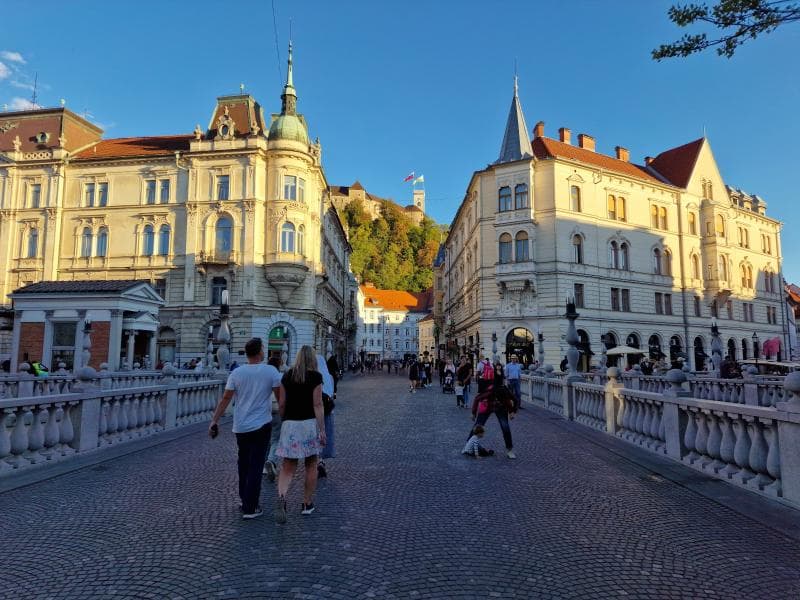
Discover the legendary Dragon Bridge and its vibrant River Walkways in Ljubljana, Slovenia. Explore Art Nouveau architecture, mythical dragons, and scenic riverside charm.
Overview
As you wander through the picturesque capital of Ljubljana, Slovenia, the iconic Dragon Bridge stands as a majestic guardian over the tranquil Ljubljanica River. While 'River Walkways' isn't a formal sub-spot name, it beautifully encapsulates the experience of exploring the charming pedestrian embankments that flank the river on either side, intertwining directly with the Dragon Bridge's grandeur. These pathways invite curious travelers to immerse themselves in the city's vibrant rhythm, offering continuous scenic strolls that lead directly to, and past, this legendary landmark. The Dragon Bridge itself, adorned with its fearsome yet captivating dragon statues, serves as both a vital crossing and a powerful symbol of Ljubljana's rich history and folklore, making the surrounding river walkways an integral part of its allure.
History & Cultural Background
The Dragon Bridge, known locally as Zmajski most, emerged from a period of significant urban renewal in Ljubljana following a devastating earthquake in 1895. Prior to its construction, an old wooden structure, the Butchers' Bridge, had stood on the site since 1819. Inaugurated in 1901, the Dragon Bridge was originally named the Jubilee Bridge of Emperor Franz Joseph I, commemorating the 40th anniversary of his reign, a detail still subtly present in an inscription on the bridge. However, its striking dragon sculptures soon overshadowed its official title, leading to its popular renaming.
This architectural marvel was at the forefront of engineering, being one of Europe's earliest reinforced concrete bridges and the first in Ljubljana to use this innovative material, designed by Austrian engineer Josef Melan. Its design, significantly influenced by the Vienna Secession style (a local variant of Art Nouveau), reflects the progressive spirit of the early 20th century. The decorative elements, including the iconic dragons, balustrades, and original gas-powered lamps, were crafted by Dalmatian architect Jurij Zaninović, a student of the renowned Otto Wagner. The bridge stands today as a protected technical monument, showcasing a blend of functionality and artistic expression.
What Makes It Special
Beyond its innovative construction, what truly sets the Dragon Bridge apart are its mythical guardians. Four imposing, almost lifelike copper dragons stand majestically at each corner of the bridge, their outstretched wings and fierce expressions captivating all who cross. These creatures have become the unofficial emblem of Ljubljana, symbolizing strength, courage, and protection. Additionally, sixteen smaller dragon statues adorn the bridge's span, adding to its ornate beauty.
The bridge's Art Nouveau aesthetics, characterized by curved lines and naturalistic ornamentation, make it a masterpiece of its kind, often regarded as one of the most beautiful examples of Vienna Secession architecture. It seamlessly connects key areas of Ljubljana's city center, offering not just a passage but a viewpoint for panoramic scenes of the Ljubljanica River and the historic buildings lining its banks. The river walkways, with their vibrant café culture and pedestrian-friendly atmosphere, enhance the bridge's special appeal, turning a simple crossing into a memorable urban experience.
Stories, Fun Facts & Local Details
The dragons of the bridge are steeped in local folklore, most famously tied to the Greek legend of Jason and the Argonauts. According to the myth, Jason, after stealing the Golden Fleece, sailed up the Ljubljanica River. During his journey, he encountered and defeated a formidable dragon that lived in the region, an event said to have marked the founding of Ljubljana. Thus, the dragons on the bridge are a direct nod to this foundational legend, embodying the city's ancient roots and mythical heritage.
A popular, playful local legend suggests that the dragons wag their tails when a virgin crosses the bridge – a whimsical detail that adds a layer of charm and humor to the landmark. The bridge is a prime spot for photography, especially at dawn or dusk when the city lights reflect on the river, accentuating the sculptures. The river embankments surrounding the bridge are often referred to as Ljubljana's 'lounge,' where locals and visitors gather at outdoor cafes, enjoying coffee or a spritz, soaking in the city's relaxed ambiance. This area, part of the wider 'Waterfront Path,' is perfect for leisurely strolls or bike rides, connecting various parts of the city with its unique blend of urban and green spaces.
Visitor Perspective
Visiting the Dragon Bridge and its surrounding River Walkways offers a quintessential Ljubljana experience. Located in the city center, it's easily accessible by foot from iconic spots like Prešeren Square and the Central Market. A stroll along the Ljubljanica's embankments provides continuous delight, with the Dragon Bridge acting as a magnificent focal point. You can cross the bridge, admire the intricate details of the dragons, and enjoy splendid views of the river.
The pedestrian-friendly nature of the riverbanks means you can leisurely explore at your own pace, stopping at riverside cafes for a drink or a meal. Many visitors choose to combine their walk with a boat cruise on the Ljubljanica, offering a different perspective of the bridges and the city's charming architecture. Whether you're captivated by its legendary dragons, its Art Nouveau elegance, or simply the lively atmosphere of the river, the Dragon Bridge and its enchanting river walkways are an unmissable highlight of any visit to Ljubljana, inviting you to become part of its living story.
Coordinates: 14.5103, 46.0519
View on Google Maps💬 How Travelers Describe This Place
Based on community votes
Photogenic
998Must See
685Unique
472Beautiful
399Interesting
92
Traveler Stories
Discover memorable experiences shared by travelers who have visited this place.
No traveler stories yet.
Be the first traveler to share what made this place memorable.

Tour
By
Spot
Discover amazing places around the world. Your journey starts here.
Explore
© 2026 TourBySpot. All rights reserved.