River Walks
Tbilisi, Georgia
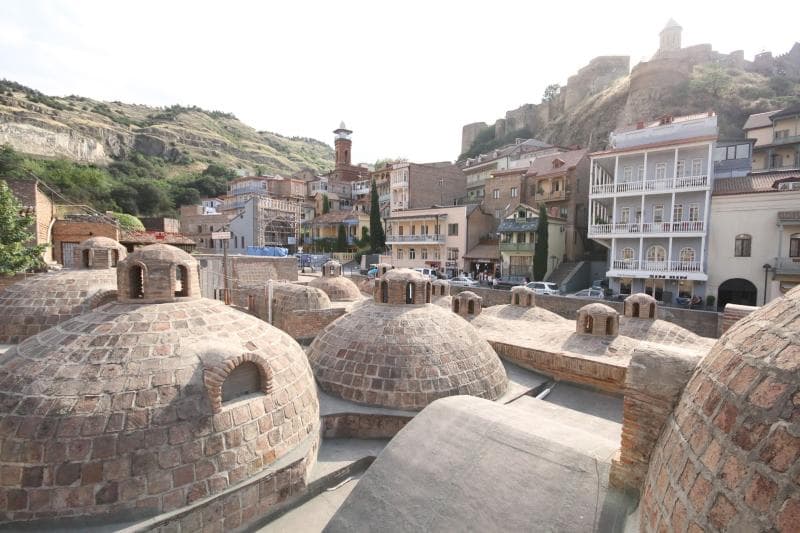
Discover the historic River Walks in Abanotubani, Tbilisi, Georgia, leading to the picturesque Leghvtakhevi Waterfall and urban canyon.
Overview
The enchanting 'River Walks' in Abanotubani, Tbilisi, Georgia, primarily refer to the picturesque Leghvtakhevi gorge and its captivating waterfall. Tucked away behind the distinctive domed sulfur bathhouses, this urban canyon offers a serene escape in the heart of the city's oldest district. The Tsavkisistskali stream carves its way through this basalt gorge, culminating in a stunning 22-meter waterfall that cascades into a turquoise pool. Visitors can follow wooden walkways and bridges that wind along the stream, providing a unique blend of natural beauty and historical ambiance. The area is an integral part of Tbilisi's Old Town, offering a tranquil counterpoint to the bustling streets and a direct link to the city's origins. It's a free and easily accessible path, perfect for a leisurely stroll at any time, even illuminated at night, making it a beloved spot for both locals and travelers seeking a moment of peace and picturesque scenery.
History & Cultural Background
The Leghvtakhevi gorge boasts a rich history deeply intertwined with the very foundation of Tbilisi. Historically, this natural chasm served as a significant boundary, separating the ancient Kala district from the rest of the city. Mentions of the waterfall itself can be traced back as far as the 15th century, highlighting its long-standing presence and importance in the region's landscape. The entire Abanotubani area, including these river walks, is central to the legendary founding of Tbilisi. According to lore, King Vakhtang Gorgasali, while hunting in the 5th century, discovered the area's hot springs after his falcon dropped a pheasant into a steaming pool. This discovery led to the establishment of the city, with its name 'Tbilisi' deriving from the Georgian word 'tbili' meaning 'warm,' directly referencing these thermal waters. The gorge and its stream were not only vital for the natural hot springs that fed the famous sulfur bathhouses but also held strategic importance, acting as a natural fortification during various historical sieges, preventing direct cavalry charges toward the city center. The name 'Leghvtakhevi' itself carries cultural weight, meaning 'fig gorge' in Georgian, a nod to the fig trees that once flourished along its slopes.
What Makes It Special
What truly sets the River Walks of Abanotubani apart is the dramatic presence of the Leghvtakhevi Waterfall, an impressive 22-meter cascade nestled within an urban canyon. It's a rare sight to find such a powerful natural feature so intimately integrated into a city's historical core. The wooden walkways and quaint bridges traversing the Tsavkisistskali stream create an immersive experience, allowing visitors to explore the narrow basalt gorge up close. This unique environment fosters a distinct microclimate; the air often feels several degrees cooler and noticeably quieter than the surrounding city streets, providing a refreshing respite. The visual contrast between the natural rock walls, the flowing water, and the architectural elements of old Tbilisi, including the backs of the iconic bathhouse domes and old houses with wooden balconies perched above, is particularly striking. The remnants of fig trees and the possibility of tasting local fig products in nearby cafes further connect visitors to the gorge's historical 'fig' namesake, adding a sensory layer to the experience.
Stories, Fun Facts & Local Details
One of the most enduring stories associated with this area is the legend of King Vakhtang Gorgasali and his falcon, which purportedly led to the discovery of the hot springs that gave birth to Tbilisi. This tale highlights the deep historical and cultural significance of the thermal waters that feed into the gorge. The very name of the gorge, 'Leghvtakhevi,' meaning 'fig gorge,' is a charming detail, reminding visitors of the fig trees that once lined its banks and whose legacy can still be savored in local treats. For centuries, the gorge acted as a natural protective barrier, a testament to Tbilisi's strategic planning and resilience. The path along the gorge, including its wooden walkways and bridges, underwent a renovation in 2012, making it even more accessible and enjoyable for contemporary visitors while preserving its historical essence. Beyond its natural beauty, the sulfur baths adjacent to the river walks were historically much more than places for hygiene; they served as vibrant social hubs where locals gathered, conducted business, and even celebrated, with future mothers-in-law often inspecting prospective brides in the baths.
Visitor Perspective
For a curious traveler, the River Walks in Abanotubani offer an easily navigable and deeply rewarding experience. The path through the Leghvtakhevi gorge leading to the waterfall is considered an easy walk, requiring no special fitness or preparation, typically taking about 15-20 minutes from the Abanotubani district to the falls. It is accessible at all hours and thoughtfully lit in the evening, transforming the area into a magical setting for memorable photographs. The walk provides a serene escape from the urban environment, a tranquil oasis where the sound of cascading water and the cool microclimate offer a sensory delight. Travelers often combine this walk with a visit to the famous sulfur baths nearby or extend their exploration to the Tbilisi Botanical Garden, which the Tsavkisistskali stream also traverses. The journey involves crossing several small wooden bridges, adding to the charm and immersive nature of the experience. It's an opportunity to connect with Tbilisi's natural origins and witness how nature and history seamlessly intertwine within the city's ancient core, leaving visitors with a strong sense of place and a feeling of having discovered a hidden gem.
Coordinates: 44.81111, 41.68778
View on Google Maps💬 How Travelers Describe This Place
Based on community votes
Photogenic
995Interesting
964Beautiful
926Must See
646Unique
482
Traveler Stories
Discover memorable experiences shared by travelers who have visited this place.
No traveler stories yet.
Be the first traveler to share what made this place memorable.

Tour
By
Spot
Discover amazing places around the world. Your journey starts here.
Explore
© 2026 TourBySpot. All rights reserved.