Ritual Artifacts
Ulaanbaatar, Mongolia
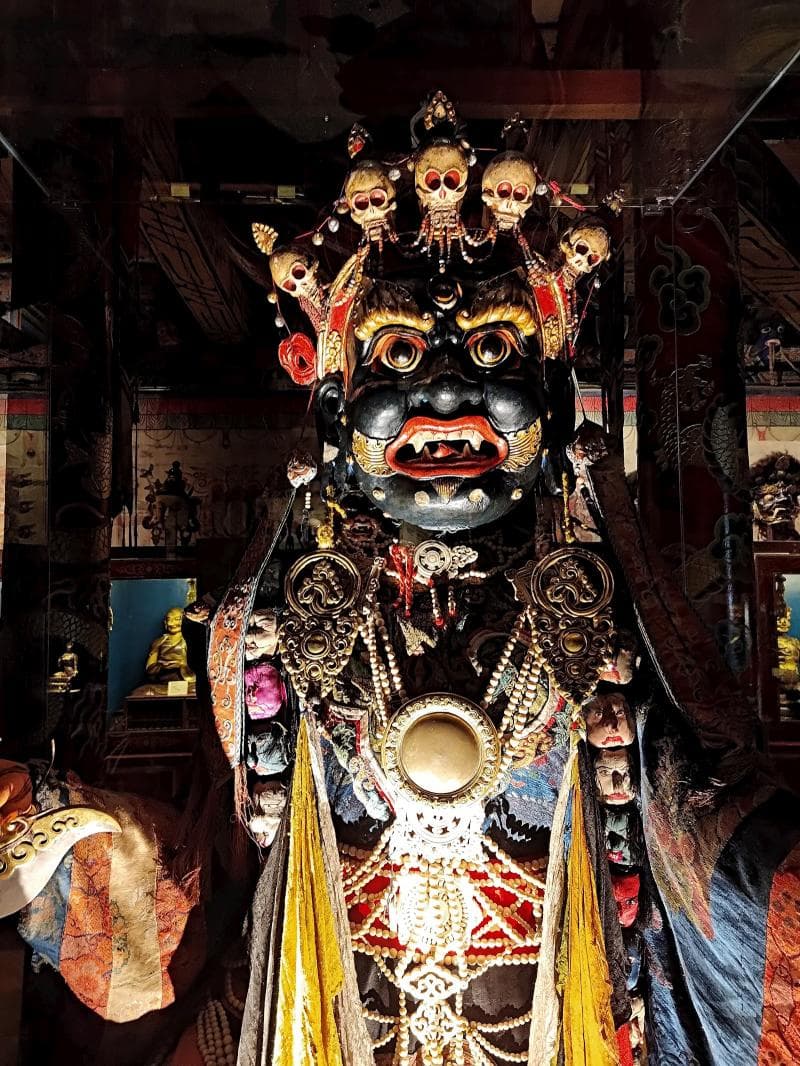
Explore the sacred ritual artifacts at the Choijin Lama Temple Museum in Ulaanbaatar, Mongolia, offering a unique glimpse into Buddhist history.
Overview
The Choijin Lama Temple Museum in Ulaanbaatar, Mongolia, stands as a profound testament to the nation's rich Buddhist heritage. It serves as an invaluable repository for an extensive collection of ritual artifacts, offering visitors a unique window into the spiritual and artistic traditions of Mongolian Buddhism. This meticulously preserved temple complex, miraculously spared during periods of intense religious repression, is more than just a museum; it is a serene sanctuary where history, art, and spirituality converge. [7, 17]
Dedicated to the intricate world of Buddhist rituals, the museum showcases a diverse array of sacred objects that were once central to the spiritual life of Mongolia. From vibrant ceremonial masks to sacred instruments and ornate sculptures, these artifacts illuminate the profound devotional practices and artistic mastery that characterized the Buddhist faith in the region for centuries. [6, 7, 17]
History & Cultural Background
Constructed between 1904 and 1908, the Choijin Lama Temple complex was commissioned by the Eighth Bogd Khaan Jebzundamba, Mongolia's spiritual leader, for his younger brother, Luvsanhaidav, who held the esteemed title of Choijin Lama and served as the state oracle. [4, 7, 11] For decades, it functioned as an active monastery, a vibrant center for Buddhist worship and ritual. [6, 7]
However, the early 20th century brought severe religious purges under communist rule in Mongolia, leading to the destruction of countless monasteries and the suppression of religious practices. In 1937, the Choijin Lama Temple, like many others, was forced to cease its religious functions. [6, 7, 11] Remarkably, through 'skillful efforts of wise people,' it was re-established as a museum in 1938 or 1942, a strategic move that ultimately saved its magnificent architecture and priceless collection of artifacts from annihilation. [6, 7, 11] This transformation ensured the survival of a tangible link to Mongolia's pre-communist Buddhist past, making the museum's collection particularly significant. [11]
What Makes It Special
The collection of ritual artifacts at the Choijin Lama Temple Museum is truly exceptional in its breadth, artistry, and historical significance. It comprises a vast assortment of religious instruments, intricate thangka paintings, delicate silk embroideries, detailed wood carvings, and a remarkable number of statues. [6, 7]
- Tsam Dance Masks: Among the most captivating exhibits are the Tsam dance masks, central to elaborate ceremonial dances performed to ward off evil spirits and ensure spiritual purification. These masks, often crafted from papier-mache, feature vibrant polychrome, horsehair, and intricate adornments, including thousands of red coral beads on some. [4, 7, 8, 9, 14] The sheer variety and artistic detail of these masks offer a powerful glimpse into the rich visual culture of Mongolian Buddhist rituals. [4, 7]
- Sculptural Masterpieces: The museum proudly displays exquisite sculptures, including works attributed to Zanabazar, the renowned 17th-century Mongolian artisan and religious reformer, and artists from his esteemed school. These pieces are celebrated for their elegant and serene style, reflecting the pinnacle of Mongolian Buddhist artistic achievement. [4, 9, 20, 23]
- Diverse Ritual Objects: Beyond masks and statues, the museum houses a comprehensive array of ceremonial objects and religious instruments vital to Buddhist practices, some of which date back to the 17th century. [6, 9] The Yadam Temple, for instance, specifically features a collection of copper and brass sculptures, scroll paintings, and various instruments used in religious ceremonies. [11]
The collection's survival through decades of suppression underscores its unique status as one of Mongolia's most important cultural treasures. [11, 17]
Stories, Fun Facts & Local Details
The ritual artifacts are imbued with centuries of stories and cultural significance. The Choijin Lama, Luvsanhaidav, as the state oracle, was a figure of immense spiritual and political importance. He performed trance rituals in the Zankhang temple, using many of the instruments and objects now on display, to seek divine guidance on state matters, a practice that highlights the deep intertwining of religion and governance in historical Mongolia. [8, 11, 14]
One remarkable exhibit is a 30-kilogram ritual mask, intricately crafted from 7,000 red coral beads, showcasing the devotion and craftsmanship involved in creating these sacred items. [8, 14] Some statues within the museum are said to contain the mummified remains of revered lamas, such as Baldan Choephel, further connecting these artistic creations to specific spiritual figures and their legacies. [5, 7, 8, 9]
The Tsam dances, for which many of the masks were created, were not merely performances but potent spiritual events. Each mask and costume represented a specific deity or protector, with the dance embodying a narrative of good triumphing over evil, meant to purify and protect the community. [4, 7, 8] The museum's collection also includes bronze statues depicting tantric deities with their consorts in 'erotic poses,' which symbolize the mystical union of power and wisdom in Buddhist philosophy. [9, 11]
Visitor Perspective
Stepping into the Choijin Lama Temple Museum offers a journey back in time, providing a serene and contemplative escape from the bustling modern city of Ulaanbaatar. [17] As you wander through the various temples, each dedicated to different deities and aspects of Buddhist worship, you are surrounded by an immersive spiritual environment that educates and inspires. [6, 13, 17]
The sheer volume and intricate detail of the ritual artifacts can be overwhelming, but each piece tells a story of faith, artistry, and cultural resilience. While detailed explanations for every item might not always be abundant, attentive room attendants are often available to provide further insights, enriching the visitor's understanding of Mongolia's profound spiritual heritage. [7, 8] The museum ultimately stands as a powerful symbol of continuity, reminding visitors of the enduring spirit of Mongolian Buddhism despite historical challenges. [17]
Coordinates: 106.9183, 47.915
View on Google Maps💬 How Travelers Describe This Place
Based on community votes
Must See
623Unique
545Beautiful
343Photogenic
211Interesting
20
Traveler Stories
Discover memorable experiences shared by travelers who have visited this place.
No traveler stories yet.
Be the first traveler to share what made this place memorable.

Tour
By
Spot
Discover amazing places around the world. Your journey starts here.
Explore
© 2026 TourBySpot. All rights reserved.