Rigi Kulm
Lucerne, Switzerland
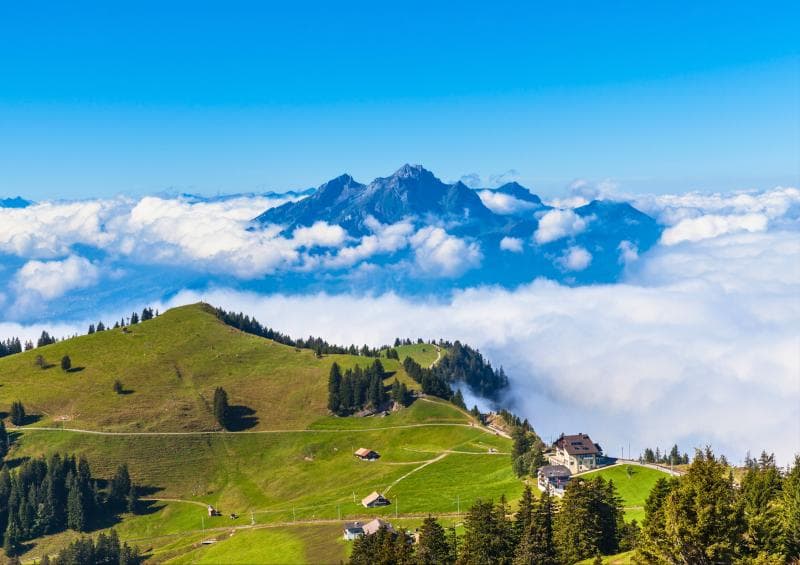
Discover Rigi Kulm, the 'Queen of the Mountains' in Lucerne, Switzerland. Experience 360° panoramic views, historic railways, and rich alpine culture.
Overview
Perched majestically in the heart of Switzerland, Rigi Kulm stands as the highest point of the Mount Rigi massif, affectionately known as the 'Queen of the Mountains'. Rising to an elevation of approximately 1,798 meters (5,899 feet) above sea level, it offers an unparalleled 360-degree panoramic vista that captivates every visitor. This sub-spot within the larger Mount Rigi area, near the picturesque city of Lucerne, provides breathtaking views across the Swiss Alps, thirteen sparkling lakes including Lake Lucerne, Lake Zug, and Lake Lauerz, and extends far into the Swiss Plateau, even reaching the Black Forest and Vosges mountains on clear days.
Rigi Kulm is renowned for its remarkable accessibility, making the awe-inspiring alpine experience available to all. It is a destination that seamlessly blends natural beauty with historical engineering marvels, offering a unique blend of relaxation, adventure, and cultural immersion.
History & Cultural Background
The history of Mount Rigi, and specifically Rigi Kulm, is rich and extends back centuries. The mountain was first mentioned in official documents as 'Grat Riggen' in 1353. Long before it became a tourist hotspot, Rigi attracted religious pilgrims, with chapels established as early as 1585 at Rigi Kaltbad, followed by the 'Maria zum Schnee' pilgrimage chapel at Rigi Klösterli in 1689.
A pivotal moment in Rigi Kulm's development was the opening of Switzerland's first mountain hotel in 1816. This early guesthouse, built to welcome foreign tourists, laid the foundation for the region's burgeoning tourism infrastructure. The mid-19th century saw increasing interest from notable figures, including Johann Wolfgang von Goethe, who visited in 1775 and famously wrote in his diary, 'The splendour of the world all around'. Later, Queen Victoria of England made a visit in 1868, and the American author Mark Twain penned his humorous travel journal 'A Trip to Mount Rigi' in 1879, further cementing its international fame.
A revolutionary engineering feat transformed accessibility to Rigi Kulm: the construction of the Vitznau-Rigi cogwheel railway. Opened in 1871, it was the first mountain railway in Europe, a bold project conceived by engineer Niklaus Riggenbach. This innovative railway allowed visitors to ascend the mountain with ease, fulfilling Riggenbach's vision to make the beauty of the Swiss landscape accessible to everyone.
What Makes It Special
What truly sets Rigi Kulm apart is its extraordinary 360-degree panoramic view. From this vantage point, you can simultaneously gaze upon up to thirteen shimmering lakes and a sea of Alpine peaks, a spectacle unmatched by many other mountains. The sheer breadth of the landscape, encompassing both the dramatic high Alps and the serene lowlands, earns Mount Rigi its cherished title, 'Queen of the Mountains'.
Beyond the views, Rigi Kulm is a testament to human ingenuity in harmony with nature. The historic cogwheel railways, particularly the Vitznau-Rigi Bahn, represent a significant milestone in railway engineering. The journey itself, whether by cogwheel train or cable car, is an integral part of the experience, offering ever-changing vistas as you ascend.
The mountain offers a diverse range of activities throughout the year. In summer, hikers can explore over 120 kilometers of trails, while winter transforms the landscape into a snowy playground for sledging and winter hiking. This combination of historical significance, accessibility, and year-round recreational opportunities truly makes Rigi Kulm a unique Swiss destination.
Stories, Fun Facts & Local Details
- It is said that the Rigi Kulm Hotel, dating back to 1816, has hosted countless important personalities throughout its history, with King Ludwig II of Bavaria being one such guest.
- The pioneering Vitznau-Rigi cogwheel railway's engineer, Niklaus Riggenbach, envisioned making the mountains accessible to all, famously stating, 'I want to transport people from far and wide to the top of this mountain so that they too can enjoy the beauty of this great land!'
- On Alp Chäserenholz, located below Rigi Kulm, approximately 14 tons of delicious Alpine cheese are prepared annually, showcasing a vibrant local tradition.
- The panoramic trail from Rigi First to Rigi Scheidegg once served as the route for a railway line from 1875 to 1931.
- From Rigi Kulm, on an exceptionally clear day, you can reportedly see up to 24 of Switzerland's 26 cantons.
Visitor Perspective
Exploring Rigi Kulm is an adventure that can be tailored to various preferences. Many visitors choose the 'Golden Round Trip', which typically involves a scenic boat trip across Lake Lucerne to Vitznau or Weggis, followed by an ascent via cogwheel train or cable car to Rigi Kulm. The Vitznau-Rigi Bahn, Europe's first mountain railway, provides a nostalgic journey directly to the summit.
Once at the top, a network of well-maintained hiking trails awaits, from gentle summit loops perfect for families to more challenging panoramic walks. For those seeking relaxation, the Mineral Baths & Spa at Rigi Kaltbad offers a tranquil escape with panoramic views. There are also restaurants and cafes, including the historic Rigi Kulm Hotel, where guests can enjoy regional delicacies while soaking in the views.
Rigi Kulm is accessible year-round, with each season offering a different charm. While the panoramic views are spectacular at any time, visiting during the mornings or evenings can provide a more peaceful experience, and the sunrises and sunsets from the summit are particularly magical for overnight guests. It is advisable to check weather webcams before your visit to ensure optimal visibility and prepare with appropriate clothing layers.
Coordinates: 8.48556, 47.05667
View on Google Maps💬 How Travelers Describe This Place
Based on community votes
Unique
958Must See
743Photogenic
728Beautiful
719Interesting
382
Traveler Stories
Discover memorable experiences shared by travelers who have visited this place.
No traveler stories yet.
Be the first traveler to share what made this place memorable.

Tour
By
Spot
Discover amazing places around the world. Your journey starts here.
Explore
© 2026 TourBySpot. All rights reserved.