Mount Rigi
Lucerne, Switzerland
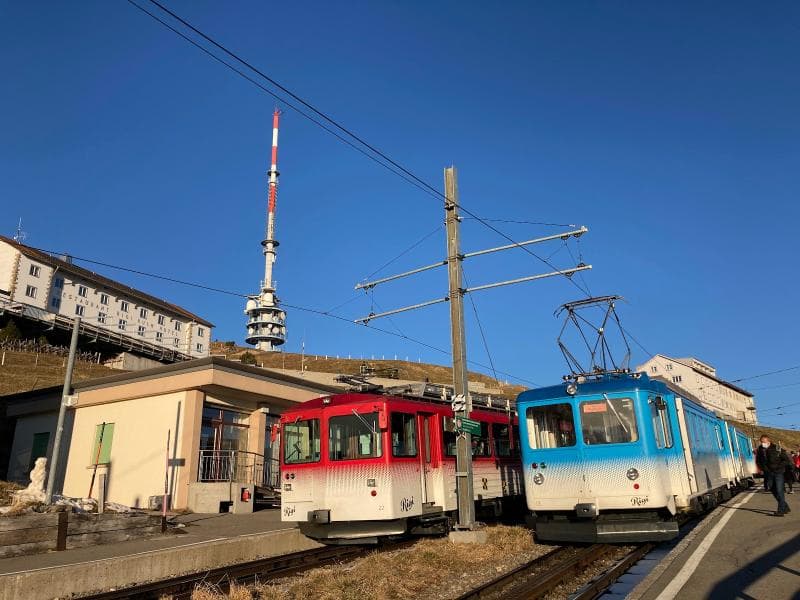
Discover Mount Rigi, the 'Queen of the Mountains,' near Lucerne, Switzerland. Explore its historic railways, panoramic views, and stunning landscapes.
Overview
Mount Rigi, affectionately known as the 'Queen of the Mountains', stands majestically in the heart of Central Switzerland, offering breathtaking panoramic views that encompass 13 lakes and a sea of Alpine peaks. While not the tallest mountain in the Alps, its strategic location near Lucerne and its accessibility have made it a beloved destination for centuries. The mountain massif is almost entirely encircled by the shimmering waters of Lake Lucerne, Lake Zug, and Lake Lauerz, creating a truly unique and picturesque setting. Reaching its summit, Rigi Kulm, at 1,797 meters (5,896 feet) above sea level, is an experience in itself, thanks to Europe's oldest mountain railway and a network of other charming transport options.
History & Cultural Background
Mount Rigi's story stretches back to 1353, when it was first mentioned in official documents as 'Grat Riggen'. In the Middle Ages, the mountain began attracting religious pilgrims, particularly to Rigi Kaltbad, which established a chapel and hermitage in 1585. Pilgrimage tourism intensified with the inauguration of the 'Maria zum Schnee' chapel at Rigi Klösterli in 1689, drawing thousands annually.
The shift from a religious pilgrimage site to a secular tourist destination started in the 18th century. Notable figures like Johann Wolfgang von Goethe visited in 1775, famously noting 'The splendour of the world all around' in his diary. The Romantic movement further fueled interest in the Alpine landscape, attracting writers and artists. The first guesthouse opened at Rigi Kaltbad in 1756, followed by the Rigi Kulm Hotel in 1816, marking the beginning of organized tourism accommodation. By 1840, Mount Rigi was already welcoming approximately 40,000 visitors each summer.
A pivotal moment arrived in 1871 with the opening of the Vitznau–Rigi railway, Europe's first mountain railway. This revolutionary development increased visitor numbers dramatically, making the mountain accessible to a wider audience and setting a precedent for Swiss rail travel. This also meant the end of an era for the Rigi porters, who traditionally carried tourists up the mountain in sedan chairs or with the help of animals. Over the years, illustrious guests such as Queen Victoria ascended the Rigi, albeit carried up, and the mountain also inspired artists like J. M. W. Turner, whose 'The Blue Rigi, Sunrise' is a celebrated masterpiece.
What Makes It Special
Mount Rigi's allure lies in its unparalleled 360-degree panoramic vistas, which sweep across the Swiss lowlands, 13 tranquil lakes, and the snow-capped peaks of the Bernese and Central Alps. The journey to the summit is as spectacular as the destination itself, thanks to the Rigi Railways. The Vitznau–Rigi railway, inaugurated in 1871, holds the distinction of being Europe's first mountain railway, while the Arth–Rigi railway, opened in 1875, was the world's first electrified standard gauge rack-railway. There are also gondola lifts and cable cars, providing diverse and scenic ascent routes.
Beyond its impressive transport infrastructure, Rigi is a haven for outdoor enthusiasts. In summer, over 120 kilometers of well-maintained hiking trails crisscross the mountain, inviting exploration. Winter transforms Rigi into a wonderland with 35 kilometers of prepared winter hiking trails, opportunities for snowshoeing, sledding, and skiing. The natural spring at Rigi Kaltbad has a 600-year bathing tradition, offering a wellness experience that dates back to 1540. The mountain is also recognized for its rich biodiversity, being home to 37 of approximately 60 orchid types native to Central Switzerland.
Stories, Fun Facts & Local Details
The name 'Rigi' is believed to originate from the Old High German word 'rîga', meaning 'row' or 'strip', referring to the horizontal rock ledges and grass strips on the mountain. While a popular interpretation translates it as 'Regina montium' or 'Queen of Mountains', this charming nickname is more a testament to its beauty than its etymological root. This title, however, has firmly stuck, aptly describing its regal presence.
A unique detail in Rigi's history is the early Rigi porters, who would physically carry tourists up the steep slopes before the advent of the railways. The Vitznau–Rigi railway, a marvel of engineering, even had its opening coincide with the 54th birthday of its pioneer, Niklaus Riggenbach. For a touch of local flavor, visitors might be interested to know that Rigi even has its own beer brewed on the mountain. Additionally, Alp Chäserenholz, situated below Rigi Kulm, produces around 14 tons of Alpine cheese annually. Mark Twain, in his humorous style, once penned an absurd account of 'walking' up the Rigi over three days, a far cry from the typical three-hour ascent, adding a whimsical note to the mountain's cultural narrative.
Visitor Perspective
Mount Rigi offers a journey for every traveler, whether seeking serene landscapes, adventurous hikes, or a glimpse into Swiss heritage. It is easily accessible from Lucerne, often involving a scenic boat trip across Lake Lucerne followed by a historic cogwheel train ride or a gondola ascent. The option to combine different modes of transport for a round trip allows visitors to experience various perspectives of the surrounding beauty. The mountain is a year-round destination; while summer invites extensive hiking and paragliding, winter promises charming snowshoeing, sledding, and quiet winter walks on well-prepared trails.
Mount Rigi encourages a slower pace, inviting visitors to immerse themselves fully in the alpine environment. From the iconic Rigi Kulm Hotel, established in 1816, to numerous public grilling stations along hiking routes, the mountain caters to a variety of preferences. It is a place where every turn offers a postcard-perfect view, making it an ideal spot for reflection, photography, and creating lasting memories. The experience is designed to be engaging for all ages, cementing its reputation not just as a landmark, but as an accessible and captivating alpine escape in Switzerland.
Coordinates: 8.48556, 47.05667
View on Google Maps💬 How Travelers Describe This Place
Based on community votes
Beautiful
965Photogenic
743Unique
629Must See
184Interesting
176
Traveler Stories
Discover memorable experiences shared by travelers who have visited this place.
No traveler stories yet.
Be the first traveler to share what made this place memorable.
Things to see at Mount Rigi



Tour
By
Spot
Discover amazing places around the world. Your journey starts here.
Explore
© 2026 TourBySpot. All rights reserved.