Rice Field Paths
Bali, Indonesia
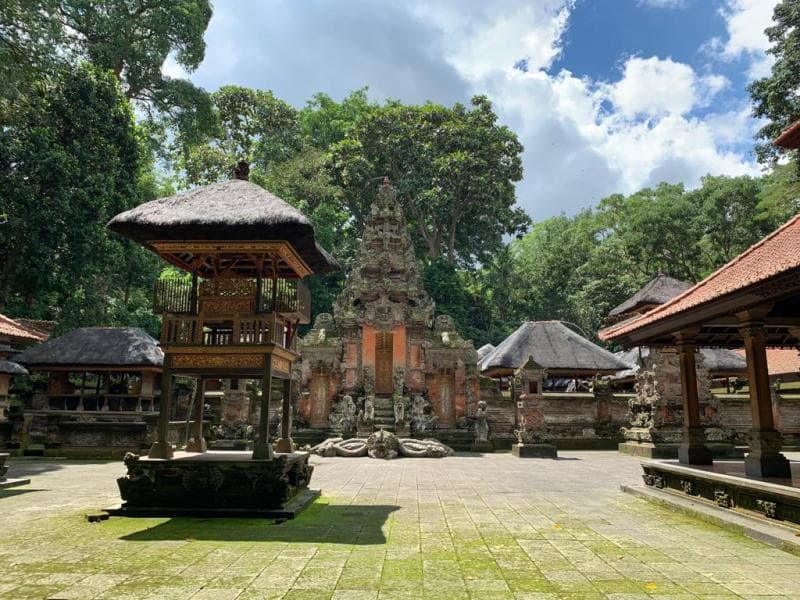
Explore the tranquil Rice Field Paths surrounding Elephant Cave (Goa Gajah) in Bali, Indonesia, a historical Hindu-Buddhist sanctuary near Ubud.
Overview
Deep in the lush heart of Bali, Indonesia, lies the ancient sanctuary of Goa Gajah, famously known as the Elephant Cave. While the intricately carved cave and its mystical bathing pools are the main draw, the experience extends far beyond, encompassing tranquil rice field paths that weave through the surrounding landscape. These verdant pathways offer a serene contrast to the archaeological marvel, inviting visitors to immerse themselves in Bali's enduring natural beauty and rich agricultural heritage. The site, located just outside Ubud, provides a unique blend of spiritual exploration and peaceful communion with nature, making the journey through its rice fields an integral part of the Goa Gajah visit.
History & Cultural Background
Goa Gajah dates back to at least the 9th century, with some sources suggesting its establishment during the 10th or 11th century reign of the Warmadewa dynasty. It served as a significant meditation site for both Buddhist monks and Hindu priests, evident in the harmonious blend of Buddhist and Hindu elements found within the complex. The cave's imposing entrance, a menacing giant face carved into the rock, is believed to ward off evil spirits. Inside, visitors discover Ganesha statues and Shiva lingams, reflecting Bali's deep-rooted spiritual history. The name 'Goa Gajah' or 'Elephant Cave' itself is steeped in local lore; theories suggest it might be named after the elephant-headed Hindu god Ganesha found inside, or possibly from a carving resembling an elephant's head at the entrance. Another theory links the name to the nearby Petanu River, once called 'Lwa Gajah'. These historical layers connect directly to the surrounding environment, where rice cultivation has been the lifeblood of Balinese society for centuries. The traditional Subak irrigation system, a UNESCO-recognized cultural landscape, is intrinsically linked to the spiritual practices and community life that once thrived, and continue to thrive, around such sacred sites.
What Makes It Special
What truly sets the Goa Gajah experience apart is the powerful juxtaposition of its ancient, rock-hewn sanctuary with the expansive, living tapestry of the rice fields. After exploring the dark, atmospheric confines of the Elephant Cave and admiring the sacred bathing pools with their serene angel statues, stepping out onto the paths amidst vibrant green rice paddies offers a profound shift in perspective. This transition from historical mystery to active, thriving agricultural land highlights the deep connection between Balinese spirituality and its agrarian lifestyle. The paths provide an opportunity for quiet reflection, allowing the jungle's sounds and the gentle rustle of rice stalks to replace the echoes of ancient rituals. The surrounding nature, including small streams that lead to the Petanu River and lush gardens, enhances this unique atmosphere.
Stories, Fun Facts & Local Details
Legend has it that the giant Kebo Iwa created Goa Gajah with his fingernail, though archaeological evidence points to a more gradual construction dating from the 11th century. The complex remains an active place of worship for local Balinese Hindus, with daily offerings maintaining its sacred atmosphere. The rice fields themselves are not merely scenic backdrops but are part of Bali's enduring cultural identity. They embody the Subak system, a democratic and spiritual farming collective that ensures equitable water distribution and sustainable practices, passed down through generations. Walking these paths, one might encounter local farmers tending their crops, offering a glimpse into the authentic rhythm of Balinese life. The presence of these working fields emphasizes that Goa Gajah is not just a historical relic, but a site continually integrated into the island's living culture.
Visitor Perspective
Visiting the rice field paths around Goa Gajah offers a tranquil and enriching experience. After navigating the steps down to the main complex, exploring the cave and its bathing pools, a stroll along the paths through the surrounding rice paddies provides a refreshing change of pace. The air is often cooler here, filled with the sounds of nature rather than the bustling activity of the temple entrance. Visitors are encouraged to wear comfortable shoes, as the paths can be muddy after rain, which is common in Bali. This walk is not just about observing; it's about feeling the gentle breeze, seeing the intricate patterns of the rice plants, and appreciating the harmonious relationship between the Balinese people and their land. It's a chance to slow down, breathe, and truly connect with the peaceful spirit of the Balinese countryside, offering a deeper understanding of the island's beauty beyond its famed temples.
Coordinates: 115.2851, -8.5207
View on Google Maps💬 How Travelers Describe This Place
Based on community votes
Unique
995Photogenic
839Beautiful
603Must See
581Interesting
388
Traveler Stories
Discover memorable experiences shared by travelers who have visited this place.
No traveler stories yet.
Be the first traveler to share what made this place memorable.

Tour
By
Spot
Discover amazing places around the world. Your journey starts here.
Explore
© 2026 TourBySpot. All rights reserved.