Restoration Workshops
Baku, Azerbaijan
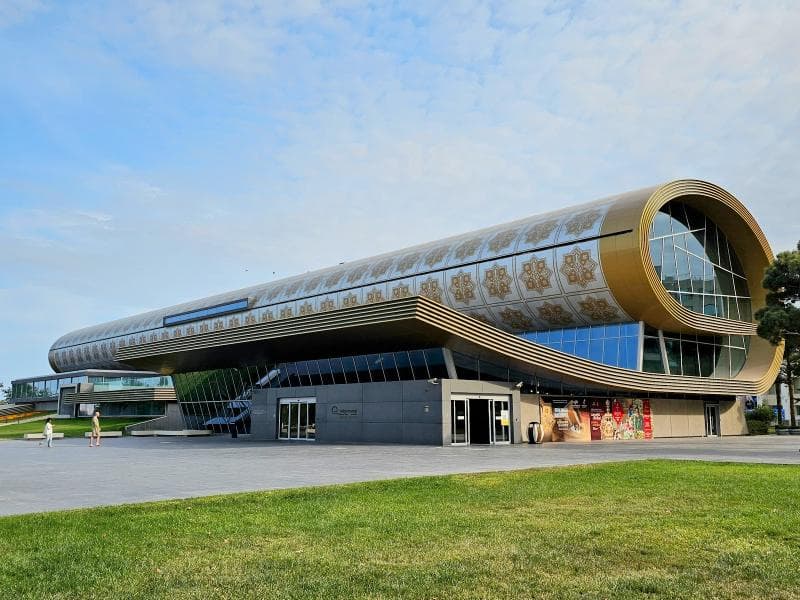
Explore the Restoration Workshops at the Azerbaijan Carpet Museum in Baku, a hub of cultural preservation and traditional weaving techniques.
Overview
Nestled within the architectural marvel that is the Azerbaijan Carpet Museum in Baku, the concept of 'Restoration Workshops' embodies the museum's profound dedication to preserving an ancient and revered art form. While not a singular, static exhibit, these workshops represent the ongoing, living tradition of Azerbaijani carpet weaving and the meticulous efforts undertaken to safeguard it for future generations. It's here, within the museum's embrace, that the threads of history are re-woven, and the vibrant stories of Azerbaijani culture are kept alive through skilled hands and time-honored techniques. Visitors can often witness the dedication involved in this preservation, observing master weavers at work and understanding the intricate processes that keep this UNESCO-recognized intangible cultural heritage thriving.
The museum itself serves as a vital research and educational institution, actively reviving ancient flat-woven techniques and organizing programs to popularize carpet weaving. This includes not only the creation of new works but also the careful study and application of traditional methods to maintain the integrity of historical pieces.
History & Cultural Background
The art of carpet weaving in Azerbaijan boasts a history stretching back millennia, with archaeological finds indicating its presence since the Bronze Age. Ancient historians like Herodotus and Xenophon noted the sophistication of this craft. For centuries, carpet weaving has been more than just an art; it's been a deeply ingrained family tradition, primarily passed down orally and through practice by women. From practical household items to expressions of profound cultural identity, Azerbaijani carpets tell tales of their creators and regions through their distinctive patterns, colors, and motifs. The decline of professional carpet workshops during periods of instability historically shifted this art towards folk crafts. However, concerted efforts, including early 20th-century initiatives to restore designs and create regional training workshops, underscore a long-standing commitment to its revival and preservation.
The Azerbaijan Carpet Museum, established in 1967 as the world's first specialized carpet museum, was created precisely to collect, preserve, research, and promote these unique samples of carpet art, reflecting its national heritage.
What Makes It Special
The 'Restoration Workshops' are special because they are not just about mending old carpets; they represent a holistic approach to cultural preservation. What makes them unique is the focus on traditional techniques that have been passed down through generations. Artisans employ locally sourced wool and natural dyes, ensuring that the historical accuracy and vibrancy of the carpets are maintained. This meticulous process extends to understanding the seven regional carpet weaving schools of Azerbaijan, each with its own distinct patterns and methods, which are crucial for authentic restoration.
The museum's role as a research center is integral, hosting international symposiums and actively reviving ancient weaving techniques. This academic rigor, combined with the practical skills demonstrated in the workshops, ensures that the spirit and craftsmanship of Azerbaijani carpet art are not lost to time.
Stories, Fun Facts & Local Details
Imagine the stories embedded within each knot and thread of an Azerbaijani carpet. Traditionally, a carpet set was an essential part of a girl's dowry, highlighting its integral role in daily life and significant events. The designs themselves are not merely decorative; they are symbolic narratives reflecting local culture, nature, and beliefs. A 'fun fact' often noted by visitors is the museum's building itself, shaped like a rolled-up carpet, a whimsical yet fitting tribute to its contents and purpose. The knowledge of carpet weaving is often transferred orally, with girls learning from their mothers and grandmothers, making the workshops a continuation of this sacred lineage. The cutting of a finished carpet from the loom is even a solemn celebration, emphasizing the profound connection weavers have to their creations.
Visitor Perspective
For the curious traveler, the 'Restoration Workshops' offer a rare glimpse into the painstaking artistry and cultural dedication behind Azerbaijani carpets. While direct participation in full-scale restoration of antique pieces might be limited to expert artisans, visitors often have the opportunity to watch skilled weavers in action during live demonstrations. These demonstrations showcase traditional weaving, dyeing, and knotting techniques, providing invaluable insights into the patience and skill required for this craft. Some workshops within the museum or associated cultural centers even offer hands-on experiences, allowing visitors to try basic weaving techniques and gain a deeper appreciation for the art. This immersive experience transforms a museum visit into an active engagement with Azerbaijan's rich cultural heritage, making the abstract concept of 'restoration' tangible through the continuation of traditional practices.
Coordinates: 49.83556, 40.35972
View on Google Maps💬 How Travelers Describe This Place
Based on community votes
Must See
673Photogenic
336Interesting
219Unique
186Beautiful
80
Traveler Stories
Discover memorable experiences shared by travelers who have visited this place.
No traveler stories yet.
Be the first traveler to share what made this place memorable.

Tour
By
Spot
Discover amazing places around the world. Your journey starts here.
Explore
© 2026 TourBySpot. All rights reserved.