Resistance Exhibits
Vilnius, Lithuania
Explore the Resistance Exhibits at the Museum of Occupations and Freedom Fights in Vilnius, Lithuania, detailing the fight against Soviet rule.
Overview
The Resistance Exhibits within the Museum of Occupations and Freedom Fights in Vilnius, Lithuania, offer a profound journey into a dark yet resilient chapter of the nation's past. Housed in the very building that served as the KGB headquarters for nearly 50 years, this sub-spot delves into the various forms of Lithuanian resistance against Soviet occupation from 1940 to 1991. The museum, often informally referred to as the KGB Museum, is dedicated to chronicling the struggle of Lithuanian partisans, the plight of political prisoners, and the broader societal efforts to preserve national identity and ultimately regain independence. It presents a stark and authentic portrayal of suffering, defiance, and an unwavering spirit of freedom that shaped modern Lithuania.
History & Cultural Background
The building itself is steeped in the history of oppression and resistance. Constructed in the late 19th century as a courthouse during the Russian Empire, it subsequently housed various occupation forces, including the German Empire, Polish occupiers, and the Gestapo, before becoming the headquarters for the Soviet security services, primarily the KGB, from 1940 until 1991. The museum was established in 1992, shortly after Lithuania regained independence, with the mission to collect, preserve, and showcase the history of Soviet repression and the Lithuanian people's fight for freedom. The 'Resistance Exhibits' specifically address the fifty-year Soviet occupation, detailing the systematic Sovietization of the region from 1940-1941, the fierce guerrilla war waged by partisans from 1944-1953, and the extensive KGB activities that sought to suppress any dissent until 1991. In 2018, the museum officially changed its name from the Museum of Genocide Victims to the Museum of Occupations and Freedom Fights, to more accurately reflect its comprehensive focus on resistance and occupations rather than solely on genocide.
What Makes It Special
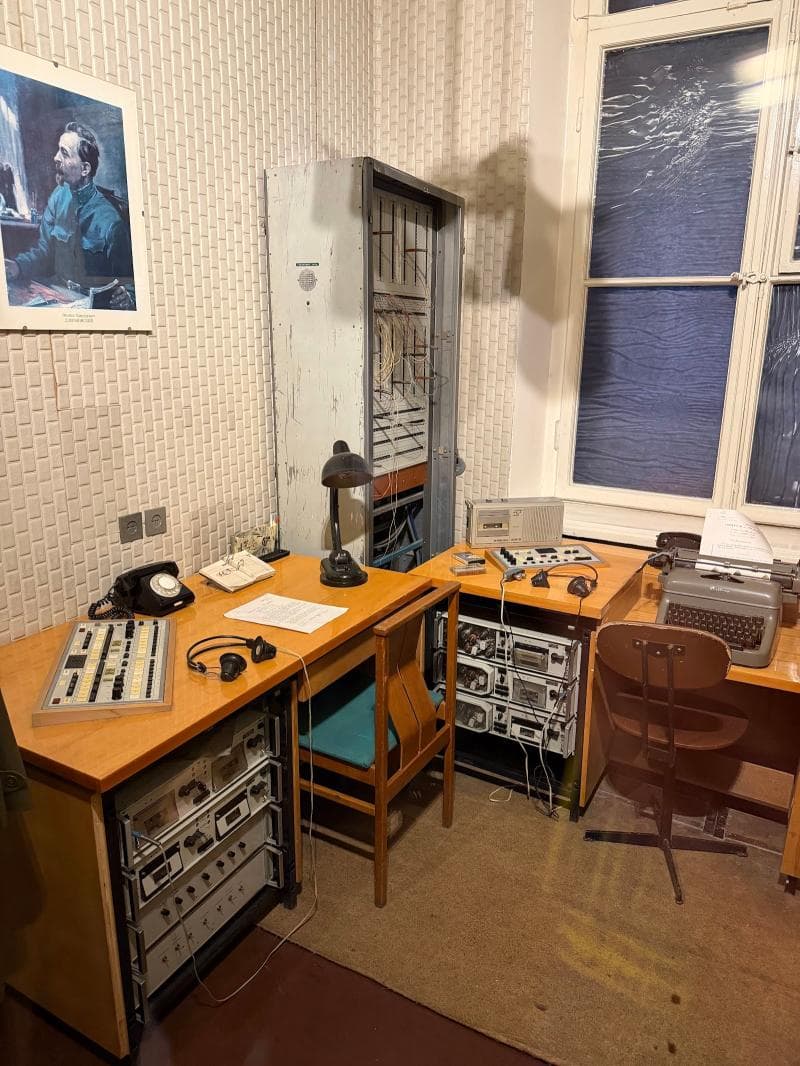
The singular power of the Resistance Exhibits lies in its authentic setting. Visitors are not just learning about history; they are stepping into the actual spaces where much of it unfolded. The basement prison, preserved exactly as it was left by KGB guards in 1991, features chilling interrogation cells, solitary confinement cells, and the infamous execution chamber where over a thousand individuals were murdered for their resistance. Objects discovered in mass graves are displayed under glass, offering a tangible connection to the victims. Beyond the raw physical spaces, the exhibits showcase the multifaceted nature of resistance: from the armed struggle of the 'Forest Brothers' – anti-Soviet partisans who fought a desperate guerrilla war from bunkers in the woods – to the non-violent resistance expressed through underground publications, documents, and photographs. A recreated telephone surveillance room with original listening equipment offers a chilling glimpse into the pervasive nature of state espionage.
Stories, Fun Facts & Local Details
Walking through the former KGB corridors, one can almost hear the echoes of the past. Etched into the cell walls are messages of despair and defiance left by those awaiting their fate, silent witnesses to their courage. The 'Forest Brothers' represent one of the most compelling stories of armed resistance, a network of over 20,000 Lithuanians who retreated to the forests, forming bunkers and fighting for their country's freedom against overwhelming Soviet forces. Their struggle, detailed through documents and photographs, paints a vivid picture of extraordinary bravery in the face of brutal repression. The exhibits also highlight the 'Singing Revolution,' a series of mass demonstrations and human chains in the Baltic states, including Lithuania, that ultimately played a crucial role in the re-establishment of independence without bloodshed. This unique form of peaceful resistance underscores the enduring spirit of the Lithuanian people. The museum's dedication to collecting personal belongings and historical documents, often donated by the public, ensures that individual stories and the collective memory of resistance are preserved and shared.
Visitor Perspective
A visit to the Resistance Exhibits is often described as a deeply moving and sobering experience. The authenticity of the location, coupled with the detailed historical narratives and personal artifacts, creates an immersive atmosphere that allows visitors to connect emotionally with the struggles faced by the Lithuanian people. It's a powerful reminder of the human cost of totalitarian regimes and the enduring fight for human rights and freedom. Navigating the exhibits, from the chilling basement prison to the galleries detailing the partisan movement and KGB surveillance, provides a comprehensive understanding of how Lithuanians resisted, endured, and eventually triumphed. The museum serves not only as a memorial to the victims but also as a testament to the resilience and unwavering spirit of freedom that defines the Lithuanian nation.
Coordinates: 25.27069, 54.68802
View on Google Maps💬 How Travelers Describe This Place
Based on community votes
Beautiful
799Interesting
424Photogenic
234Must See
181Unique
30
Traveler Stories
Discover memorable experiences shared by travelers who have visited this place.
No traveler stories yet.
Be the first traveler to share what made this place memorable.

Tour
By
Spot
Discover amazing places around the world. Your journey starts here.
Explore
© 2026 TourBySpot. All rights reserved.