Religious Art Collections
Manila, Philippines
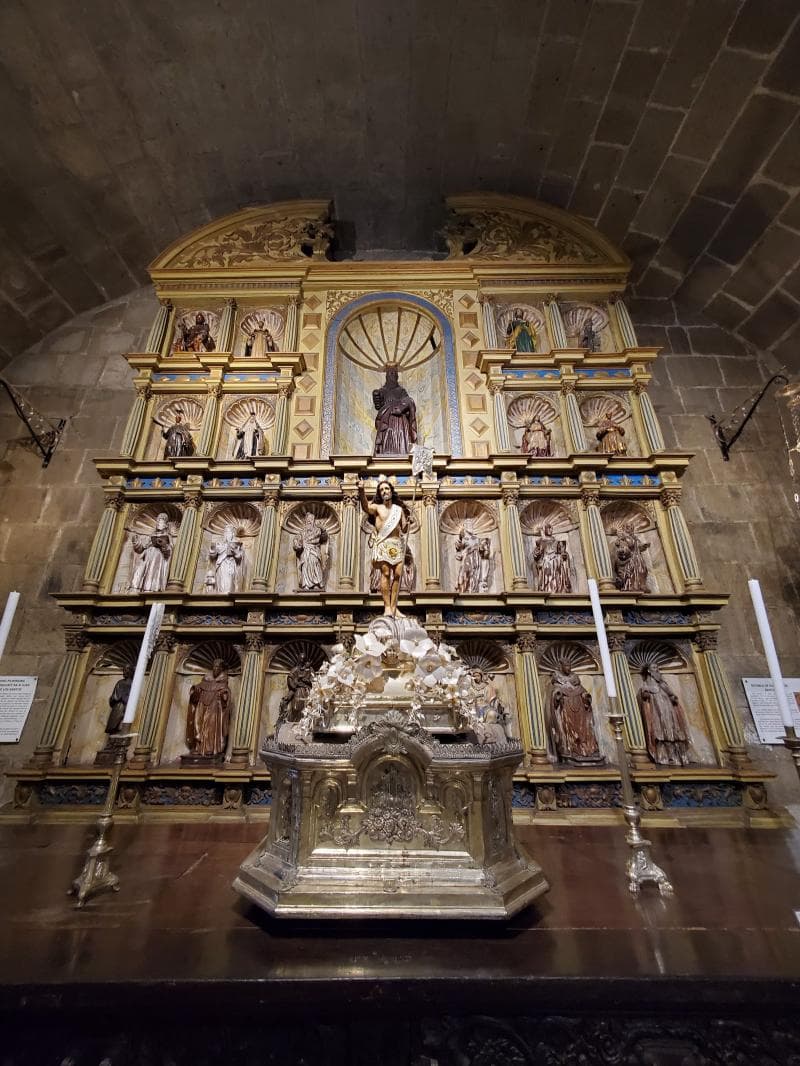
Explore the rich Religious Art Collections at San Agustin Church and Museum in Manila, Philippines, showcasing centuries of faith and colonial art.
Overview
The Religious Art Collections within San Agustin Church and its adjacent museum offer a profound journey into the spiritual and artistic heritage of the Philippines. Located in Intramuros, Manila, this UNESCO World Heritage Site houses a vast array of artifacts that chronicle centuries of fervent faith and colonial influence. The San Agustin Church, completed in 1607, stands as the oldest stone church in the country, a testament to enduring architecture and belief. Its museum, formerly an Augustinian monastery, was officially converted in 1973 to preserve and showcase this invaluable cultural legacy.
History & Cultural Background
The story of San Agustin Church begins with the arrival of Augustinian friars in 1565, establishing the first religious structures in Luzon. The current stone edifice, the third church on the site, rose from the ashes of two previous wooden structures destroyed by fires in 1574 and 1583. Its construction, initiated in 1586 and completed in 1607, marked a pivotal moment in Philippine history, symbolizing the permanence of Spanish colonial rule and the propagation of Christianity. The museum's collection reflects over 400 years of Augustinian missionary work, encompassing everything from sacred vestments to ancient choir books. Despite facing immense challenges, including invasions, earthquakes, and the near-total destruction of Intramuros during World War II, the church and its monastery miraculously endured, safeguarding a significant portion of its treasures.
What Makes It Special
The Religious Art Collections are distinguished by their exceptional depth and variety. Visitors encounter an impressive display of retablos, devotional figures, and paintings from the Spanish colonial period. Notable pieces include the 1617 retablo of Juan de los Santos, an extraordinary example of Mannerist Renaissance work, originally the main altarpiece of the church before being relocated to the Old Sacristy. The museum also features colonial furniture, intricately carved ivory and wooden sculptures, and ecclesiastical silver and gold embroidered vestments. The Don Luis Ma. Araneta collection further enriches the museum, showcasing 18th-century wood carvings and antique church wood. Beyond the artifacts, the very architecture of the former monastery, with its arched galleries and stone floors, enhances the historical ambiance, creating a seamless connection between the art and its setting.
Stories, Fun Facts & Local Details
One fascinating detail is the church's resilience; it was the only building in Intramuros to remain standing after the devastation of World War II, a testament to its robust stone construction. The iconic 'Door of Love,' separating the church from the monastery, serves as a symbolic reminder of the founding principles of St. Augustine's rule. While many original ivory and wood santos were lost due to historical looting by the British in 1762 and American souvenir hunters in 1898, the museum still displays priceless antiques, some with replacements from other Augustinian monasteries. The museum also provides a glimpse into the broader intellectual pursuits of Augustinian friars, featuring botanical lithographs of Philippine flora and aged volumes, some dating back to 1522. The choir area boasts 68 carved Molave seats with Narra inlays, reflecting exquisite craftsmanship.
Visitor Perspective
Exploring the Religious Art Collections offers a rich and contemplative experience for any curious traveler. The San Agustin Museum is open daily, typically from 9 AM to 6 PM, with an admission fee of PHP 200.00 for general admission. The entire complex, including the church and museum, is nestled within the historic walled city of Intramuros, making it an integral part of any visit to Manila's cultural heart. Visitors are encouraged to take their time, allowing for reflection amidst the centuries-old artwork and artifacts, which collectively narrate the profound religious and historical narrative of the Philippines.
Coordinates: 120.97528, 14.58889
View on Google Maps💬 How Travelers Describe This Place
Based on community votes
Interesting
879Photogenic
741Beautiful
482Unique
396Must See
274
Traveler Stories
Discover memorable experiences shared by travelers who have visited this place.
No traveler stories yet.
Be the first traveler to share what made this place memorable.

Tour
By
Spot
Discover amazing places around the world. Your journey starts here.
Explore
© 2026 TourBySpot. All rights reserved.