Refectory
Lisbon, Portugal
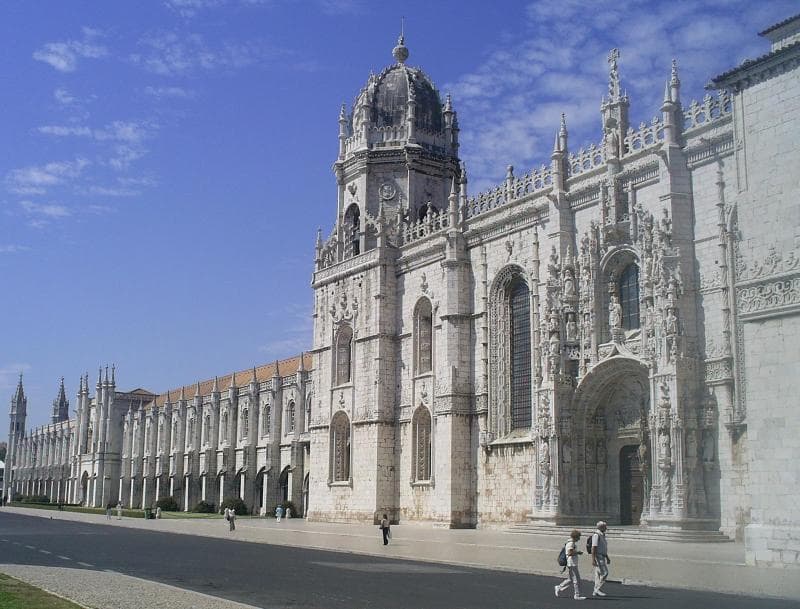
Explore the historic Refectory at Jerónimos Monastery in Lisbon, Portugal. Discover stunning Manueline architecture, 18th-century azulejos, and monastic life.
Overview
Stepping into the Refectory of the Jerónimos Monastery in Lisbon, Portugal, visitors are immediately enveloped by an atmosphere where history and artistry intertwine. This grand dining hall, once serving the Hieronymite monks, stands as a testament to Portugal's golden Age of Discoveries. It is a stunning example of Manueline architecture, characterized by its rich, ornate details, and features an impressive multi-ribbed vaulted ceiling and magnificent 18th-century azulejo tile panels that captivate the eye.
The Refectory is not merely a room but a journey back in time, offering a glimpse into the daily life and spiritual devotion of the monks who inhabited this UNESCO World Heritage site. Its intricate design and thoughtful embellishments make it a highlight within the sprawling monastery complex.
History & Cultural Background
The construction of the Refectory dates back to 1517-1518, under the skilled hands of master builder Leonardo Vaz and his team. Its creation was part of King Manuel I's ambitious project to build the Jerónimos Monastery, commissioned in 1501 to commemorate Vasco da Gama's successful voyage to India and to honor the Virgin Mary.
The Hieronymite monks, who resided here, played a crucial role in providing spiritual guidance and prayers for seafarers embarking on perilous journeys of exploration. The Refectory was central to their communal life, serving as the main dining area. The monastery itself, a masterpiece of late Portuguese Gothic Manueline style, was largely spared from significant damage during the devastating 1755 Lisbon earthquake, a testament to its robust construction.
What Makes It Special
What truly sets the Refectory apart is its exquisite blend of architectural grandeur and decorative artistry. The most striking feature is its low, multi-ribbed vaulted ceiling, a clear and impressive example of the Manueline style.
Adding another layer of beauty are the large azulejo tile panels, dating from 1780-1785, that adorn the lower sections of the walls. These blue-and-white tiles narrate compelling biblical stories: one end depicts the 'Miracle of the Bread and Fish' from the New Testament, while the side walls illustrate scenes from the 'Life of Joseph in Egypt' from the Old Testament. These detailed panels not only served an aesthetic purpose but also offered moral instruction and reflection during the monks' meals.
Noticeable are also the thick stone ropes carved into the walls, a characteristic Manueline motif that subtly alludes to Portugal's maritime exploration.
Stories, Fun Facts & Local Details
Imagine the daily routine of the Hieronymite monks within these very walls. During their meals, one monk would read aloud from the Holy Scripture or the Lives of the Saints from a small wooden pulpit situated on the wall facing the windows, providing spiritual nourishment alongside their physical sustenance.
Another fascinating detail lies just outside the Refectory: a lion fountain where the monks would wash their hands before entering for their meals. The lion, a heraldic symbol of Saint Jerome, connects directly to the Order of Saint Jerome, to whom the monastery was dedicated.
It's also interesting to note that the Refectory was among the earlier completed sections of the monastery, finished in 1517, even before many other areas. This underscores its importance as a vital communal space for the monastic community.
Visitor Perspective
For any traveler exploring the Jerónimos Monastery, a visit to the Refectory is an essential experience. It offers a profound sense of connection to the past, allowing one to almost hear the echoes of the monks' prayers and daily life. The sheer scale of the room, combined with the exquisite details of the Manueline vaulting and the storytelling azulejos, creates a deeply immersive and reflective atmosphere.
It’s a place to pause, admire the enduring craftsmanship, and appreciate the cultural and historical narratives embedded within its very structure. The Refectory provides a vivid understanding of the monastery's dual role as a spiritual sanctuary and a monument to Portugal's Age of Discovery. Taking the time to observe the intricate tilework and the unique architectural elements will undoubtedly enrich your overall visit to this iconic Lisbon landmark.
Coordinates: -9.206704, 38.697849
View on Google Maps💬 How Travelers Describe This Place
Based on community votes
Photogenic
965Must See
894Beautiful
862Unique
443Interesting
184
Traveler Stories
Discover memorable experiences shared by travelers who have visited this place.
No traveler stories yet.
Be the first traveler to share what made this place memorable.

Tour
By
Spot
Discover amazing places around the world. Your journey starts here.
Explore
© 2026 TourBySpot. All rights reserved.