Refectory Church
Kiev, Ukraine
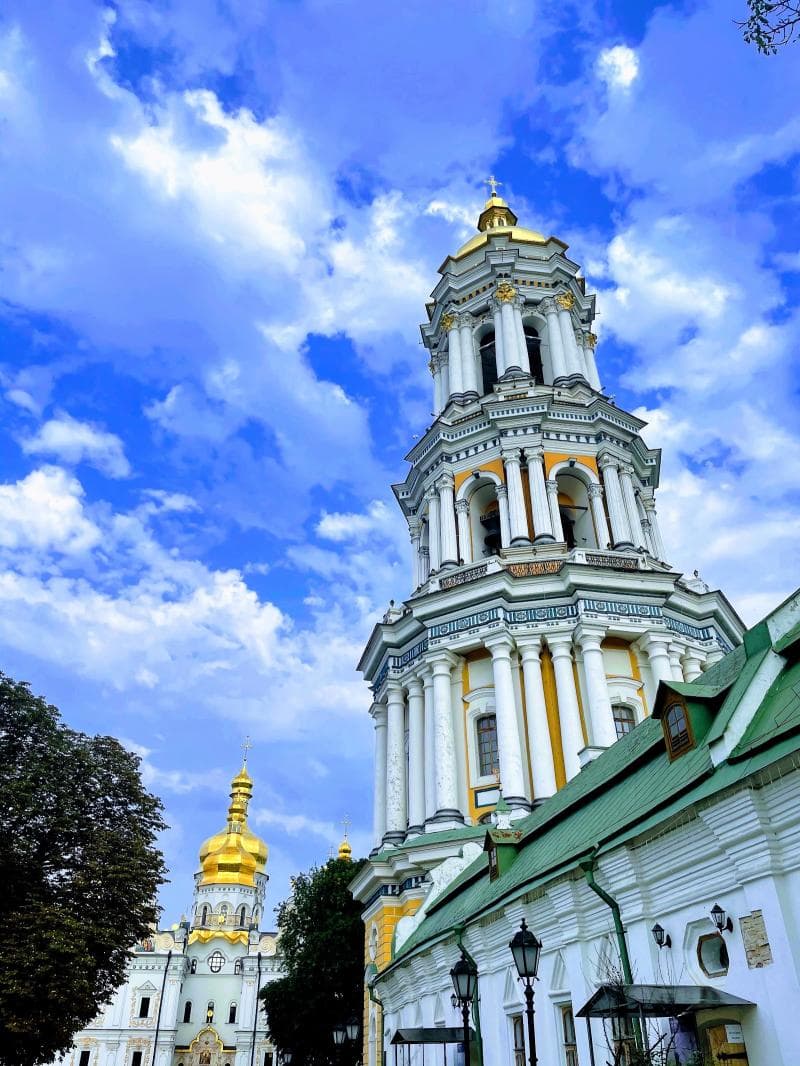
Explore the Refectory Church (Saint Anthony and Theodosius) in Kyiv Pechersk Lavra, Kiev, Ukraine. Discover its Neo-Byzantine architecture and unique dome.
Overview
Nestled within the ancient grounds of the revered Kyiv Pechersk Lavra in Kiev, Ukraine, stands the magnificent Refectory Church, officially known as the Refectory Church of Saint Anthony and Theodosius. While the Lavra itself dates back to the 11th century, this particular church is a later, yet equally striking, addition to the complex, completed between 1893 and 1895. It uniquely combines two essential functions: serving as a grand dining hall, or refectory, for the monastery's numerous monks, and as a solemn place of worship. Its impressive Russo-Byzantine architectural style, marked by a massive, unsupported dome, makes it a distinctive landmark within the UNESCO World Heritage site.
Today, the Refectory Church invites visitors to step into a space where the practicalities of monastic life met profound spiritual devotion, offering a glimpse into the late 19th and early 20th-century religious art and architecture of Ukraine. The spacious interior, adorned with vibrant frescoes and intricate marble icons, provides a sense of the grandeur and artistic traditions that flourished within these sacred walls. Beyond its architectural beauty, the church offers a quiet vantage point at its rear, presenting panoramic views of the Dnieper River, the city's left bank, and the historic Near and Far Caverns, connecting the spiritual present with the monastic past.
History & Cultural Background
The history of the Refectory Church is intertwined with the centuries-old legacy of the Kyiv Pechersk Lavra, one of Eastern Europe's most significant Orthodox Christian monasteries. While earlier refectories existed on the site since at least the 17th century, the current structure was erected between 1893 and 1895, a period when over a thousand monks resided within the monastery walls.
Designed by architect Vladimir Nikolayev, the church was built in a Neo-Byzantine or Russo-Byzantine style, deliberately incorporating elements of ancient Byzantine architecture, notably in its sturdy dome. This architectural choice reflected a blend of historical reverence and contemporary trends.
The interior decoration was a collaborative effort, with the overall design overseen by Aleksey Shchusev. Renowned artists like Ivan Yizhakevych and G. Popov contributed to the elaborate paintings and frescoes, which display a modernist influence and Art Nouveau style, a unique example of this artistic movement in Ukrainian sacred art. The marble iconostasis, crafted in the Neo-Russian style, stands as a remarkable example of stone craftsmanship in Kyiv.
The Refectory Church has also played a role in national events, notably hosting the funeral service for Russian politician Pyotr Stolypin in 1911, whose grave remains within the Lavra grounds.
What Makes It Special
The Refectory Church stands out for several compelling reasons. Architecturally, its most remarkable feature is its colossal 20-meter diameter dome, which is acclaimed as the largest unsupported dome in Ukraine. This engineering marvel draws inspiration from the dome of Hagia Sophia in Constantinople, linking Kyiv to a grand Byzantine heritage.
Beyond its impressive scale, the church's interior is a testament to late 19th and early 20th-century Ukrainian monumental art. The frescoes and ornamental paintings, designed under Aleksey Shchusev's guidance and executed by artists such as Ivan Yizhakevych, showcase a fascinating blend of traditional religious themes with modernist and Art Nouveau stylistic elements. This makes the Refectory Church a unique cultural time capsule, offering a different artistic perspective compared to the older, more traditional icons found elsewhere in the Lavra.
Its dual purpose as both a spiritual sanctuary and a communal dining hall also offers a rare insight into the practical daily life of a large monastic community. It reminds visitors that within the sacred walls of the Lavra, a thousand monks once gathered here not only for prayer but also for sustenance, forging a strong sense of community and shared devotion.
Stories, Fun Facts & Local Details
While often overshadowed by the Lavra's more ancient structures and catacombs, the Refectory Church holds its own fascinating stories. Imagine over a thousand monks gathering in this vast hall, their voices echoing during meals and communal prayers. This was not just a place for food, but a space for spiritual nourishment and shared contemplation.
A lesser-known fact is that a viewing area at the rear of the refectory offers a spectacular panorama. From here, visitors can gaze upon the historical Near and Far Caverns, which house the incorruptible relics of saints, and take in sweeping views of the mighty Dnieper River winding through the landscape, alongside the modern cityscape. It's a striking contrast between ancient monasticism and contemporary life.
The church's Neo-Byzantine style, a deliberate revival of earlier forms, can be seen as a statement of enduring faith and cultural connection to the Eastern Orthodox tradition, even as modern influences began to shape the art and architecture of the era. The very act of constructing such a grand new building at the turn of the 20th century, replacing older structures, speaks to the Lavra's continuous vitality and its role as a spiritual heart in the region.
Visitor Perspective
For the curious traveler, the Refectory Church provides a different lens through which to experience the Kyiv Pechersk Lavra. Unlike the dimly lit caves or the ancient cathedrals, this church offers a brighter, more expansive interior that highlights its artistic details. The grandeur of the dome, seemingly floating above without visible support, is a breathtaking sight.
Take your time to appreciate the intricate frescoes and the craftsmanship of the marble iconostasis, which offer a unique artistic perspective within the Lavra complex. The interplay of religious iconography with modernist artistic flourishes makes for a compelling visual experience.
Remember to seek out the viewing platform at the back of the refectory hall. This spot is a hidden gem, providing not only beautiful scenery but also a moment of reflection as you survey the extensive monastery grounds and the broader Kyiv landscape. It is a perfect place for contemplation, connecting the spiritual journey of the monks with the natural beauty surrounding this sacred site in Kiev, Ukraine.
Coordinates: 30.559167, 50.434167
View on Google Maps💬 How Travelers Describe This Place
Based on community votes
Beautiful
876Interesting
875Photogenic
718Unique
648Must See
235
Traveler Stories
Discover memorable experiences shared by travelers who have visited this place.
No traveler stories yet.
Be the first traveler to share what made this place memorable.

Tour
By
Spot
Discover amazing places around the world. Your journey starts here.
Explore
© 2026 TourBySpot. All rights reserved.