Reception Rooms
Lviv, Ukraine
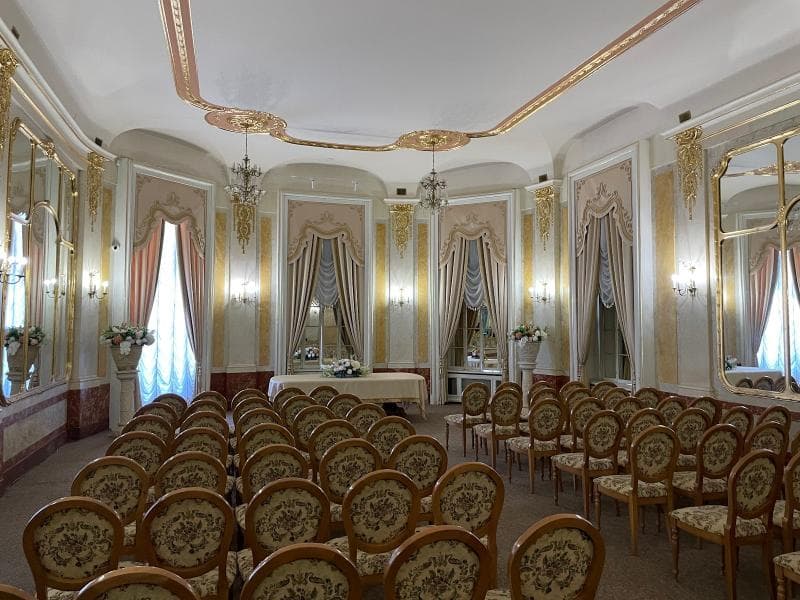
Explore the opulent Reception Rooms of Potocki Palace in Lviv, Ukraine. Discover 19th-century aristocratic grandeur, French-inspired architecture, and exquisite art.
Overview
The Potocki Palace, a magnificent architectural gem nestled in the heart of Lviv, Ukraine, offers a captivating glimpse into the opulent lifestyle of 19th-century European aristocracy. At its core are the lavish Reception Rooms, designed not merely for dwelling but for grand social gatherings, diplomatic meetings, and extravagant balls that once defined the city's high society. Today, this stately palace, particularly its ground-floor Reception Rooms, functions as a significant branch of the Lviv National Art Gallery, showcasing exquisite interiors alongside a rich collection of European art from the 14th to 18th centuries. It is a place where history resonates through every intricately decorated hall, inviting visitors to step back in time and experience the grandeur of a bygone era.
History & Cultural Background
The history of the Potocki Palace began in the late 19th century, with construction spanning from 1880 to 1890. It was commissioned by Count Alfred Józef Potocki, a prominent figure in the Polish aristocracy and a former Minister-President of Austria. The Potocki family, one of the wealthiest and most influential noble families, sought a residence in Lviv befitting their elevated status and love for French culture. The palace's design was entrusted to the French architect Louis d'Auvergne, with local masters Julian Cybulski and Ludwik Baldwin-Ramułt adapting and overseeing the construction. This resulted in a building strongly reminiscent of French classical castles, embodying a blend of Baroque classicism and Louis XVI style that immediately became a landmark in Lviv.
Originally intended as a private residence and a center for Lviv's vibrant social life, the palace hosted countless receptions, balls, and political gatherings. Following the Potocki family's departure after World War II, the palace underwent several transformations. It served various functions, including a Palace of Pioneers, research institutes, and even a Palace of Weddings. Since the early 2000s, it has been proudly managed by the Lviv National Art Gallery, ensuring its preservation and public accessibility.
What Makes It Special
The true heart of the Potocki Palace lies within its remarkably preserved Reception Rooms on the ground floor. These grand halls were meticulously designed for receiving guests, showcasing the family's immense wealth and refined taste. Visitors can explore a suite of magnificent state rooms, including the opulent Mirror Hall (also known as the Ballroom or White Hall), the sophisticated Red Drawing Room, the serene Blue Drawing Room, and the private Cabinet of the Ordinate. Each room boasts an array of luxurious decorative elements: intricate stucco work, shimmering gilding, rare colored marble, and precious woods like original oak parquet flooring. The interiors consistently reflect the elegant Louis XVI style, characterized by its delicate ornamentation and classic proportions. Marble fireplaces and ornate mirrors further enhance the sense of aristocratic splendor, creating an atmosphere of unparalleled elegance.
Stories, Fun Facts & Local Details
- Grandeur for Grand Occasions: The palace was specifically designed to accommodate large carriages in its wide courtyard, leading to its numerous drawing rooms, emphasizing its role as a hub for ceremonial receptions and meetings.
- A Touch of Versailles: The Mirror Hall, with its grand proportions and reflective surfaces, was Lviv's own answer to the famous Hall of Mirrors at Versailles, intended for dazzling balls and banquets during the long Eastern European winters.
- Colored Silks and Rich Wallpapers: Historical accounts suggest that some of the drawing rooms, such as the Blue and Red ones, once featured walls draped in silks of corresponding colors. Today, rooms like the Living Room showcase beautiful silk wallpapers with floral ornaments, while the Cabinet of the Ordinate boasts green silk wallpaper framed by ornate wooden paneling (boiseries).
- A Palace on Screen: The majestic Potocki Palace has served as a filming location for several movies, including 'D'Artagnan and Three Musketeers,' adding a touch of cinematic fame to its rich history.
- A Presidential Retreat: In the early 2000s, the palace was occasionally appropriated as one of the residences for the President of Ukraine, highlighting its continued national significance.
Visitor Perspective
Stepping into the Reception Rooms of the Potocki Palace today is an immersive journey into Lviv's aristocratic past. You are not just observing history; you are walking through the very spaces where noble families entertained, where important decisions were made, and where cultural life flourished. The meticulous restoration efforts have preserved the authentic atmosphere, allowing visitors to appreciate the grandeur and exquisite craftsmanship as if the original inhabitants had just stepped out. Beyond the stunning interiors and period furniture, the palace now houses a captivating exhibition of European art, providing an additional layer of cultural enrichment. Exploring these rooms offers a unique opportunity to connect with the city's heritage and to understand the social fabric of Lviv during its most glamorous period.
Coordinates: 24.026825, 49.837882
View on Google Maps💬 How Travelers Describe This Place
Based on community votes
Photogenic
674Must See
585Beautiful
546Interesting
503Unique
92
Traveler Stories
Discover memorable experiences shared by travelers who have visited this place.
No traveler stories yet.
Be the first traveler to share what made this place memorable.

Tour
By
Spot
Discover amazing places around the world. Your journey starts here.
Explore
© 2026 TourBySpot. All rights reserved.