Ramayana Cave
Kuala Lumpur, Malaysia
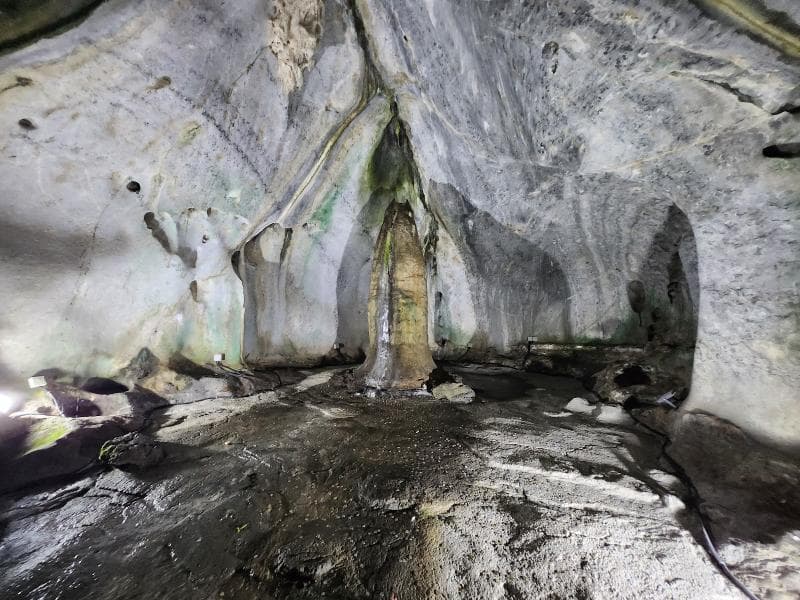
Explore Ramayana Cave at Batu Caves, Kuala Lumpur, Malaysia. Discover vivid statues and dioramas depicting the ancient Hindu epic of Lord Rama and Hanuman.
Overview
Nestled within the iconic limestone karsts of Batu Caves, just a short journey from Kuala Lumpur, Malaysia, lies the captivating Ramayana Cave. This unique cavern offers a profound journey into the heart of the Hindu epic, the Ramayana, presenting its timeless narrative through a vivid array of statues, murals, and dioramas. Unlike the bustling main Temple Cave, the Ramayana Cave provides a quieter, more contemplative, and art-focused experience, inviting visitors to immerse themselves in ancient legends.
Marked by a towering, fifteen-meter-tall green statue of Lord Hanuman at its entrance, the cave serves as a prelude to the visual feast within. As you step inside, you're greeted by a world transformed by art and devotion, where the natural cave formations are enhanced by colorful lighting and intricate displays. This sub-spot within the larger Batu Caves complex is a testament to Malaysia's rich cultural tapestry and the enduring influence of Hindu mythology.
History & Cultural Background
The Batu Caves complex itself holds deep historical and cultural significance, particularly for the Malaysian Tamil Hindu community. The site was promoted as a place of Hindu worship by K. Thamboosamy Pillai, an influential Tamil leader, in the late 19th century, with a temple dedicated to Lord Murugan completed in 1891. While the main Temple Cave (Cathedral Cave) is dedicated to Lord Murugan, the Ramayana Cave specifically tells the story of Lord Rama and his divine adventures, a central narrative in Hindu tradition.
The Ramayana epic, an ancient Indian Sanskrit narrative, recounts the life of Lord Rama, his wife Sita, and his loyal devotee, Hanuman. Its tales of dharma, duty, sacrifice, and the triumph of good over evil have resonated through generations. The cave brings this revered narrative to life in a tangible and engaging format, serving as an educational and spiritual journey for devotees and curious travelers alike. The visual retelling found here is a reflection of the profound impact of Brahmanism-Hinduism beliefs in Southeast Asia, with influences particularly from South India.
What Makes It Special
What truly sets Ramayana Cave apart is its immersive storytelling approach. Rather than merely being a space for worship, it functions as a living art gallery dedicated to a single epic. The carefully curated dioramas depict key scenes from the Ramayana, guiding visitors chronologically through Rama's exile, Sita's abduction by the demon king Ravana, Hanuman's heroic leap to Lanka, and the ultimate battle to rescue Sita.
The artistic showcase within the cave is remarkable, blending religious art with the natural limestone formations. Ambient colored LED lighting further enhances the dramatic atmosphere, creating a 'psychedelic' and otherworldly feel that makes the narrative even more impactful. Beyond the primary narrative displays, the cave also features natural stalagmites in its upper chambers that resemble Shiva lingams, adding another layer of spiritual significance and natural wonder.
Compared to the often-crowded Temple Cave, Ramayana Cave offers a quieter and more intimate experience, allowing for deeper reflection and appreciation of the artistry and mythology. It’s a place where the grandeur of natural geology meets the richness of cultural narrative, creating a truly unique fusion.
Stories, Fun Facts & Local Details
The epic of Ramayana is filled with captivating stories, and the cave masterfully highlights many of them. For instance, you'll encounter the scene where the mighty Hanuman, the monkey god, crosses the ocean to Lanka in search of Sita, a moment of immense courage and devotion. Another striking display often includes the massive figure of Kumbhakarna, Ravana's colossal brother, depicted in his legendary deep sleep while mischievous monkeys attempt to wake him.
The very entrance to the cave is guarded by a colossal green statue of Hanuman, symbolizing his unwavering loyalty and strength, making for an impressive first impression. Inside, the use of lighting to mimic natural elements like rivers or Hanuman's flaming tail in battle adds a dynamic, almost theatrical, dimension to the ancient tales. Visitors will also notice the 'Suyambu Lingam' or self-formed Shiva lingam, a sacred symbol of Lord Shiva, contributing to the cave's spiritual aura.
For those interested in the artistic interpretation of Hindu scriptures, the Ramayana Cave offers a rich perspective on South Indian cultural influence in Malaysia. It provides a visual commentary on a story that has deeply shaped spiritual and ethical values across generations.
Visitor Perspective
Visiting Ramayana Cave is an enriching experience that begins even before you step inside, with the towering Hanuman statue setting a majestic tone. Located to the far left of the Batu Caves complex, past Cave Villa, it's easily identifiable. A small entrance fee, typically around RM5, grants access to this narrative wonderland.
As with any sacred site, visitors are encouraged to dress modestly, ensuring shoulders and knees are covered as a sign of respect. Comfortable footwear is advisable, as the cave floor can be uneven in places, and there are sometimes steps leading to upper chambers. While photography is generally allowed, it's wise to be mindful during prayer times and consider avoiding flash to preserve the ambient lighting effects.
Unlike the more strenuous climb to the main Temple Cave, Ramayana Cave is relatively accessible and offers a pleasant walk-through experience. Many travelers appreciate its less crowded atmosphere, which allows for a more contemplative engagement with the intricate art and storytelling. It is a valuable addition to any visit to Batu Caves, offering a different, yet equally profound, insight into Hindu mythology and culture in Malaysia.
Coordinates: 101.6840385, 3.2378844
View on Google Maps💬 How Travelers Describe This Place
Based on community votes
Interesting
996Must See
658Unique
585Photogenic
143Beautiful
69
Traveler Stories
Discover memorable experiences shared by travelers who have visited this place.
No traveler stories yet.
Be the first traveler to share what made this place memorable.

Tour
By
Spot
Discover amazing places around the world. Your journey starts here.
Explore
© 2026 TourBySpot. All rights reserved.