Queen Pagoda
Chiang Mai, Thailand
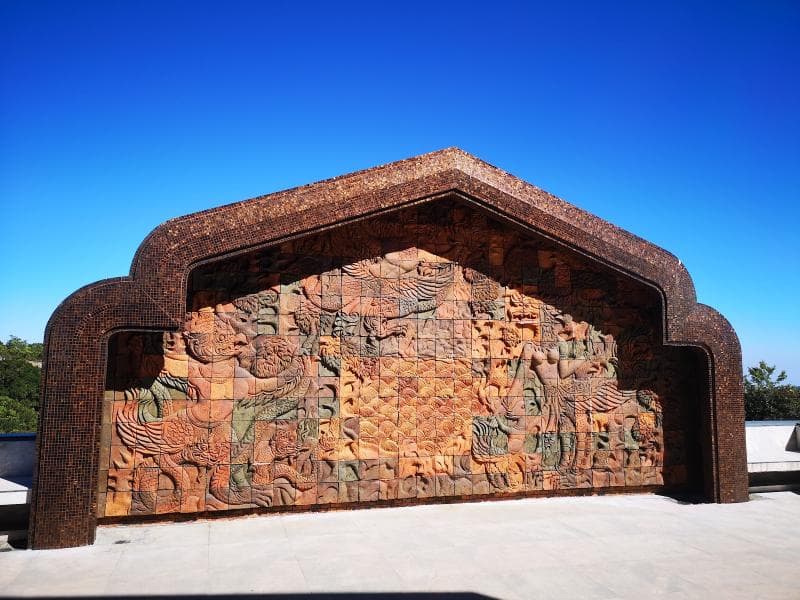
Discover the serene Queen Pagoda (Phra Mahathat Naphaphonphumisiri) in Doi Inthanon National Park, Chiang Mai, Thailand. Explore its history, unique architecture, and stunning gardens.
Overview
Perched majestically near the summit of Thailand's highest peak, Doi Inthanon, within the eponymous national park in Chiang Mai, stand the Royal Pagodas: Phra Mahathat Naphamethanidon and Phra Mahathat Naphaphonphumisiri. While often referred to collectively, or individually as the King's and Queen's Pagodas, it is the latter, Phra Mahathat Naphaphonphumisiri, the Queen Pagoda, that captivates visitors with its elegant design and serene surroundings. These twin stupas are not merely architectural marvels; they are profound symbols of reverence and enduring legacy, dedicated to their Majesties King Bhumibol Adulyadej and Queen Sirikit of Thailand, respectively. Offering breathtaking panoramic views of the verdant mountain landscape and adorned with exquisite gardens, a visit here transcends typical sightseeing, providing a deeply cultural and aesthetically enriching experience.
History & Cultural Background
The Royal Pagodas were conceived and constructed by the Royal Thai Air Force as a tribute to Thailand's beloved monarchs. The King's Pagoda, Phra Mahathat Naphamethanidon, was completed in 1987 to commemorate King Bhumibol Adulyadej's 60th birthday. Five years later, in 1992, the Queen Pagoda, Phra Mahathat Naphaphonphumisiri, was added to honor Queen Sirikit's 60th birthday. These structures are much more than monuments; they are sacred edifices embodying significant cultural and spiritual importance within the Buddhist tradition. Each pagoda enshrines Buddha images and relics, serving as a focal point for devotion and reflection. Their construction near the summit of Doi Inthanon, known as the 'Roof of Thailand,' underscores their elevated status and the profound respect held for the monarchy's commitment to the nation's progress and the preservation of its natural heritage.
What Makes It Special
What truly sets the Queen Pagoda and its royal counterpart apart is their harmonious blend of spiritual symbolism, architectural grandeur, and natural beauty. The King's Pagoda is characterized by its square base and four tiers, each representing a stage in Buddhist philosophy, adorned with intricate carvings and gold-plated Buddha images. In contrast, the Queen Pagoda, Phra Mahathat Naphaphonphumisiri, boasts a graceful circular shape with seven tiers, said to symbolize the seven colors of the rainbow, and is embellished with beautiful mosaics made of colored glass. Both pagodas are crowned with golden spires, symbolizing the Buddha's enlightenment and the sacredness of the space. Surrounding these magnificent structures are immaculately landscaped gardens, often referred to as 'winter gardens,' showcasing a vibrant array of exotic flora such as hydrangeas, chrysanthemums, rhododendrons, and azaleas, which bloom in captivating colors throughout the year, with cherry blossoms adding a special touch during the cooler months. The high altitude creates a cool, often misty climate, adding an ethereal quality to the experience, making the views from the pagodas particularly dramatic and often revealing a 'sea of clouds' effect over the valleys below.
Stories, Fun Facts & Local Details
The names of the pagodas themselves carry poetic meanings that reflect deep cultural values. Phra Mahathat Naphamethanidon, the King's Pagoda, translates to 'by the strength of the land and the air,' symbolizing the monarch's enduring legacy and his connection to the nation's foundations. The Queen's Pagoda, Naphaphonphumisiri, means 'being the strength of the air and the grace of the land,' embodying her elegance, compassion, and vital role in fostering harmony among the Thai people. These names collectively speak to a balance of power, grace, and unity with nature, principles deeply embedded in Thai culture. Within the pagodas, visitors can observe intricately carved stone murals that vividly narrate significant moments from the life of the Buddha, including his miraculous birth, enlightenment, and first sermon, serving as visual teachings of Buddhist principles. The area's proximity to Thailand's highest point means that temperatures are significantly cooler than in the lowlands of Chiang Mai, often requiring a jacket, especially in the early mornings or evenings.
Visitor Perspective
Approaching the Queen Pagoda and its twin is part of the experience. After arriving at a dedicated parking area, visitors typically take a short shuttle ride to the base of the pagodas. For those who prefer a less strenuous ascent, escalators are available to reach the upper levels and gardens, while stairs offer a more traditional path. Once at the top, the reward is immediate: sweeping 360-degree vistas that stretch across the vast mountainous landscape of Doi Inthanon National Park. Wandering through the meticulously cared-for gardens, with their vibrant floral displays and serene pathways, invites a sense of peace and contemplation. The cooler mountain air and the often-present mist create a refreshing and almost otherworldly atmosphere, a stark contrast to the heat of the city below. Many find themselves lingering, absorbing the spiritual ambiance and the sheer natural beauty that surrounds these sacred monuments, making it a memorable highlight of any journey through Northern Thailand.
Coordinates: 98.48667, 18.5875
View on Google Maps💬 How Travelers Describe This Place
Based on community votes
Unique
674Beautiful
356Must See
261Interesting
182Photogenic
76
Traveler Stories
Discover memorable experiences shared by travelers who have visited this place.
No traveler stories yet.
Be the first traveler to share what made this place memorable.

Tour
By
Spot
Discover amazing places around the world. Your journey starts here.
Explore
© 2026 TourBySpot. All rights reserved.