Pulpit
Brussels, Belgium
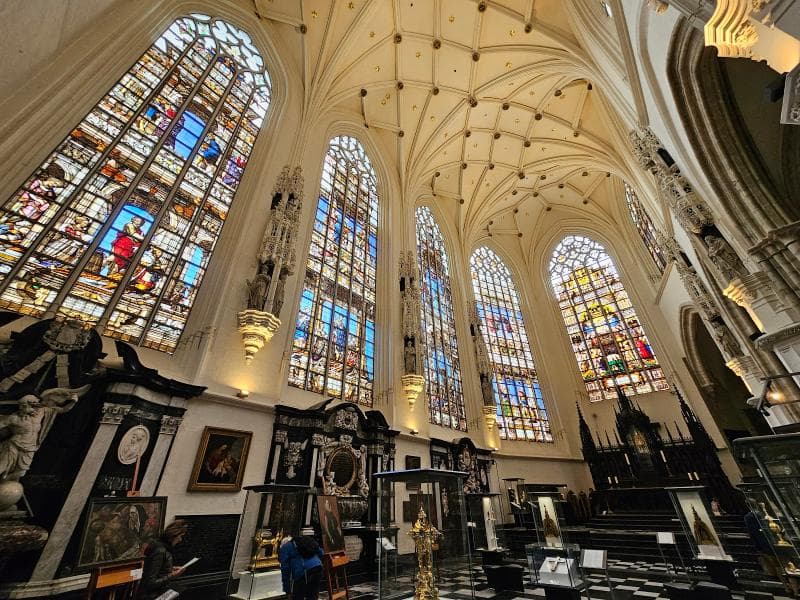
Discover the magnificent Baroque Pulpit by Hendrik Frans Verbrugghen in Saint-Michael and Saint-Gudula Cathedral, Brussels, Belgium. Explore its unique carvings of Adam, Eve, and redemption.
Overview
Nestled within the magnificent Gothic architecture of Saint-Michael and Saint-Gudula Cathedral in Brussels, Belgium, stands an extraordinary work of art: the Baroque Pulpit. Often referred to as the 'Pulpit of Truth' (Chaire de Vérité), this monumental oak sculpture is a breathtaking example of 17th-century craftsmanship and theological storytelling. It commands attention not only for its sheer size and intricate detail but also for the powerful narrative it conveys, centered on humanity's fall from grace and the promise of redemption. Crafted by the renowned Antwerp sculptor Hendrik Frans Verbrugghen, the pulpit is a highlight for any visitor to the cathedral, offering a profound artistic and spiritual experience.
History & Cultural Background
The Pulpit was meticulously carved between 1695 and 1699 by Hendrik Frans Verbrugghen, a leading figure in Flemish Baroque sculpture. His work is celebrated for its inventive imagination, often creating pieces that were 'sermons in themselves'. Interestingly, this masterpiece was not originally intended for Saint-Michael and Saint-Gudula Cathedral. It was initially created for the Jesuit church of Saint Michael in Leuven. However, following the dissolution of the Jesuit Order, the pulpit was acquired by the Brussels Cathedral and transported there in 1773 or 1776, finding its new, prominent home. This relocation allowed a wider audience to appreciate Verbrugghen's genius, showcasing a style unique to Northern Baroque art that is rarely seen outside of Belgium.
What Makes It Special
What truly sets this Pulpit apart is its elaborate and multi-layered allegorical design, which visually interprets the biblical story of the Fall and Redemption. The base of the pulpit dramatically depicts Adam and Eve being expelled from the Garden of Eden after succumbing to the temptation of the forbidden fruit. Above this scene, the pulpit culminates in a powerful symbol of salvation: the Virgin Mary and the Christ Child triumphantly piercing the serpent, representing humanity's redemption. This artistic rendering vividly conveys Christian doctrine through detailed, life-sized figures carved from oak wood. The Pulpit also features symbolic animals along its railing; a parrot, representing the art of rhetoric and eloquent preaching, and an eagle, emblem of Saint John the Evangelist, are notable examples. The sheer scale, standing at 700 cm in height and 350 cm in width, combined with the intricate details, makes it an unforgettable spectacle.
Stories, Fun Facts & Local Details
The Pulpit's designation as the 'Pulpit of Truth' underscores its function as a central point for sermons and theological instruction, a practice that continued for centuries. Beyond its primary narrative, the sculpture holds smaller, intriguing details. While a parrot and an eagle remain on the railing today, historical accounts mention that originally, there were several other animal figures, including a fox, a rooster, a monkey, a dove, a squirrel, and a peacock. Regrettably, some of these smaller figures were stolen during a cathedral restoration in the late 20th century. The later staircase leading to the pulpit is attributed to the Brussels sculptor Jean-Baptiste Van der Haeghen, seamlessly integrating with Verbrugghen's original masterpiece. The use of oak, a common and durable material in Flemish craftsmanship, allowed Verbrugghen to achieve remarkable textures and expressions, contributing to the Pulpit's enduring presence and powerful impact. It's a testament to the skill of the artisans and the depth of religious artistry in the Baroque era.
Visitor Perspective
For visitors exploring Saint-Michael and Saint-Gudula Cathedral, the Pulpit is undoubtedly one of the most striking interior elements. Positioned to the right of the central nave, its rich, dark oak wood stands in captivating contrast to the lighter stone of the Gothic edifice. Taking the time to observe the Pulpit up close reveals the incredible artistry in each figure – from the despair of Adam and Eve to the serene triumph of the Virgin Mary. It's a piece that invites contemplation, bridging the gap between artistic expression and profound spiritual meaning. As you stand before it, imagine the power of the sermons once delivered from this very spot, each word amplified by the dramatic visual narrative unfolding around the speaker. It serves not just as a historical artifact, but as a vibrant reminder of Baroque art's ability to engage, instruct, and inspire. Its central placement ensures that it's easily accessible and visible during a self-guided tour of the cathedral's main areas.
Coordinates: 4.3601, 50.8478
View on Google Maps💬 How Travelers Describe This Place
Based on community votes
Photogenic
996Must See
953Beautiful
658Interesting
585Unique
69
Traveler Stories
Discover memorable experiences shared by travelers who have visited this place.
No traveler stories yet.
Be the first traveler to share what made this place memorable.

Tour
By
Spot
Discover amazing places around the world. Your journey starts here.
Explore
© 2026 TourBySpot. All rights reserved.