Puerta Real Gardens
Manila, Philippines
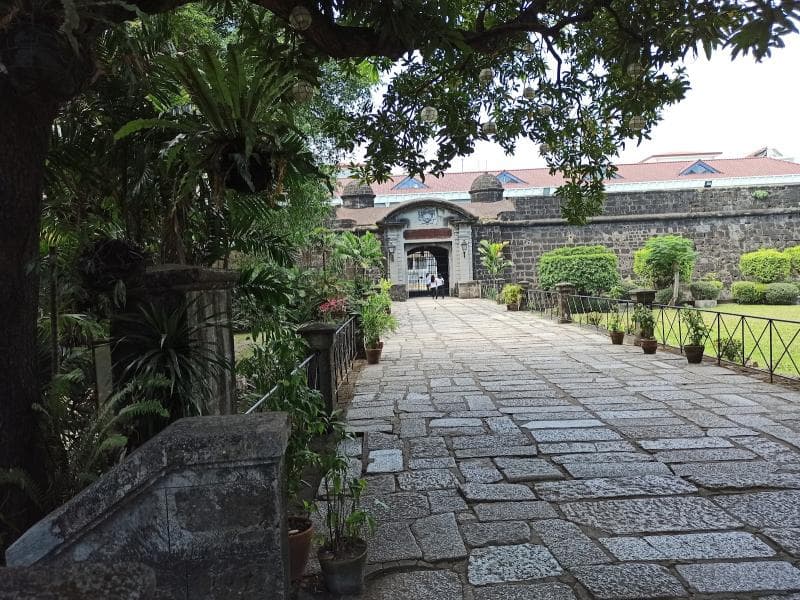
Discover Puerta Real Gardens, a historic and tranquil oasis within Intramuros, Manila, Philippines. Explore its Spanish colonial heritage, lush landscapes, and unique charm.
Overview
Nestled within the historic walled city of Intramuros in Manila, Philippines, the Puerta Real Gardens offer a serene escape from the bustling urban landscape. This tranquil green sanctuary, managed by the Intramuros Administration, is more than just a park; it is a meticulously maintained historical landscape that invites visitors to step back in time. Situated along the southern walls of Intramuros, the gardens derive their name from the adjacent Puerta Real, or Royal Gate, which once served as an exclusive entry point for high-ranking Spanish colonial officials. Today, it stands as a testament to Manila's rich past, blending natural beauty with centuries-old heritage stone walls and Spanish-era architecture.
The gardens are characterized by their expansive, well-manicured lawns, lush tropical trees, and charming cobblestone walkways. It serves as a peaceful haven for leisurely strolls, a picturesque backdrop for photography, and a popular venue for various events, including weddings, receptions, and cultural exhibitions. Its strategic location and historical ambiance make it a unique destination for those seeking both relaxation and a deeper understanding of the Philippines' colonial legacy.
History & Cultural Background
The history of Puerta Real Gardens is deeply intertwined with the fortifications of Intramuros. The original Puerta Real (Royal Gate) was constructed in 1636, primarily to facilitate the ceremonial entry and exit of the Governor-General and other high-ranking officials during formal occasions and processions. This exclusivity underscored its significance within the Spanish colonial hierarchy. However, its existence was not without peril; the gate was tragically destroyed during the British invasion of 1762.
Demonstrating resilience, the gate was rebuilt in 1780, relocated further west to its current position as part of Intramuros' updated defense strategy. The gardens themselves were developed in the former moat area and defensive buffer zone surrounding the city walls. This area was crucial to the city's defense network during the Spanish era, forming part of a complex system designed to protect the 'Walled City' from invaders. Over centuries, this strategic military zone transformed into the verdant space seen today. The site suffered damage during the tumultuous Battle of Manila in 1945 but has since been meticulously restored, preserving its historical integrity and ensuring its continuity as a heritage site. The Intramuros Administration plays a vital role in its ongoing preservation and development.
What Makes It Special
What truly sets Puerta Real Gardens apart is its captivating blend of natural serenity and profound historical gravitas. Unlike many urban parks, it is enveloped by remnants of 18th-century stone walls and bastions, offering tangible glimpses into the strategic planning of Spanish military architecture. Visitors can observe these impressive fortifications, which once stood as the primary line of defense for the Walled City.
A unique feature of the gardens is its drawbridge, which allows passage over what was once a moat, adding a picturesque and historically authentic element to the experience. The contrast between the lush, vibrant flora and the imposing, moss-covered stone walls creates a visually stunning environment, making it a favorite spot for photographers. It provides a tranquil oasis, a stark difference from the usual dense urban environment of Manila, inviting moments of quiet contemplation amidst beauty. Beyond its aesthetic appeal, the gardens are a highly sought-after outdoor venue, frequently hosting garden weddings, cultural events, and concerts, capitalizing on its historical ambiance and spacious layout.
Stories, Fun Facts & Local Details
The Puerta Real itself holds a fascinating past; it was not merely a gate but a symbol of authority, exclusively reserved for the Spanish Governor-General during grand ceremonies. Imagine the pageantry and importance of these processions as the city's highest official passed through this very archway, signifying power and prestige. The transformation of a crucial defensive moat into a garden is a compelling narrative of adaptation and renewal, showcasing how historical sites can evolve while retaining their core identity.
For a unique way to explore the area, many visitors opt for 'bambike' heritage tours, which often include a stop at Puerta Real Gardens, offering an eco-friendly and immersive way to experience Intramuros. The gardens have also become a vibrant hub for local culture, hosting events like Fête de la Musique, transforming the historical space into a stage for contemporary artistic expression. During the Battle of Manila in 1945, American GIs found respite within this very area, a poignant reminder of its enduring significance through different eras of conflict and peace. The presence of 18th-century cobbled stones still visible today connects visitors directly to the pathways trodden centuries ago.
Visitor Perspective
For visitors, Puerta Real Gardens offers a multifaceted experience. It is often described as a peaceful, small park that provides a much-needed respite from city life. The quiet atmosphere and beautiful surroundings make it an ideal location for a relaxing stroll, a picnic, or simply enjoying the outdoors. Many appreciate the historical ambiance, finding it a great spot for photography, capturing the interplay of ancient walls and verdant foliage. It is a site that caters to both history buffs, eager to connect with Manila's colonial past, and nature seekers looking for a quiet moment.
Entrance to the gardens is typically free, making it an accessible historical landmark for all. While generally serene, those looking for maximum tranquility might consider visiting during weekdays to avoid larger crowds. The accessibility of the site, often included in guided walking or bicycle tours of Intramuros, ensures that its story and beauty are shared with a wide audience. It stands as a cool historical place to relax, offering a blend of education and leisure within the historic walls of Intramuros.
Coordinates: 120.978012, 14.586006
View on Google Maps💬 How Travelers Describe This Place
Based on community votes
Unique
989Beautiful
613Photogenic
603Interesting
581Must See
207
Traveler Stories
Discover memorable experiences shared by travelers who have visited this place.
No traveler stories yet.
Be the first traveler to share what made this place memorable.

Tour
By
Spot
Discover amazing places around the world. Your journey starts here.
Explore
© 2026 TourBySpot. All rights reserved.