Public Recreation Areas
Jakarta, Indonesia
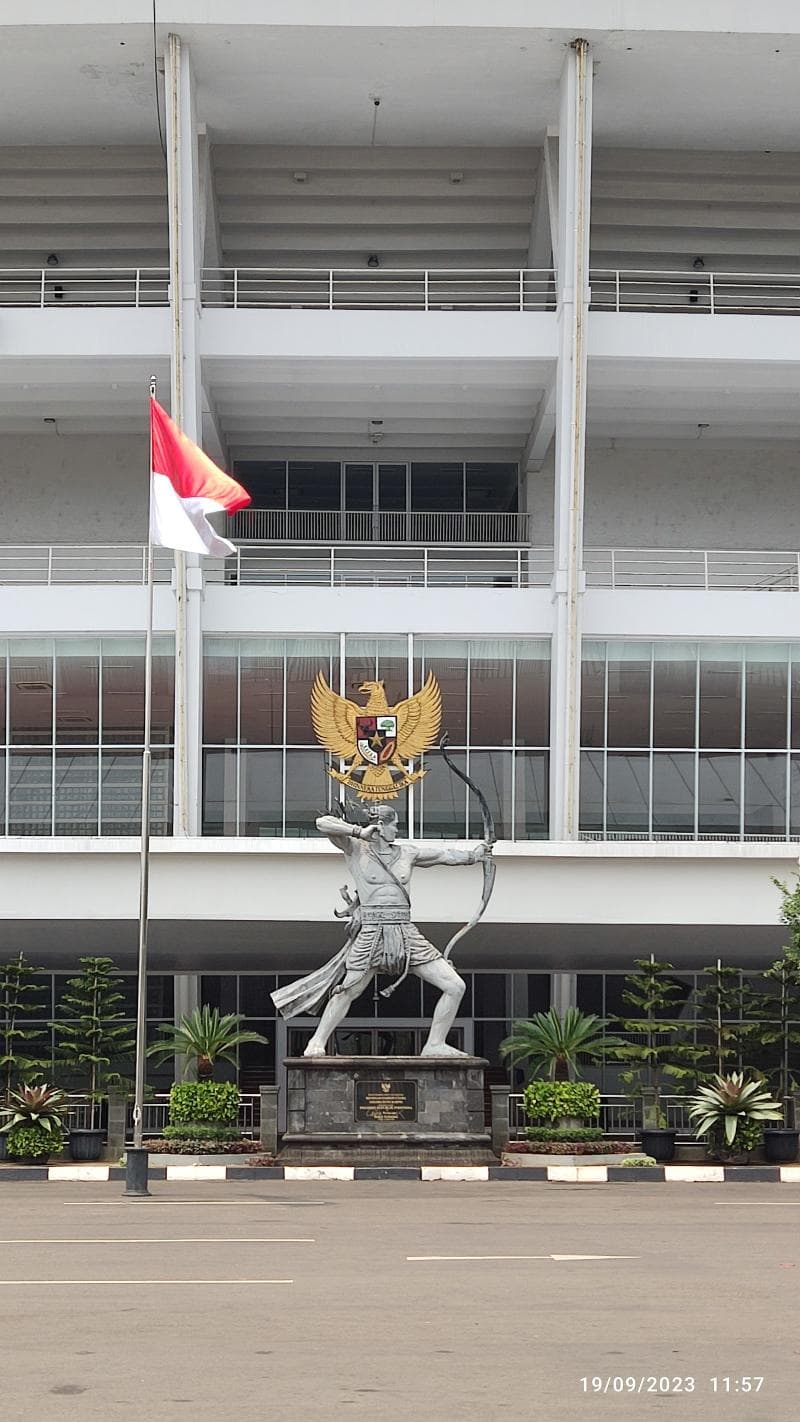
Explore the vibrant Public Recreation Areas within Gelora Bung Karno Sports Complex in Jakarta, Indonesia. Discover its history, green spaces, and local life.
Overview
Nestled in the bustling heart of Jakarta, Indonesia, the Gelora Bung Karno Sports Complex, often affectionately known as GBK, stands as more than just a sporting arena. It is a sprawling, multi-purpose public recreation area that has become an integral part of daily life for Jakartans and a welcoming space for visitors. Covering an expansive 279 hectares, GBK is not only the largest sports complex in Indonesia but also a significant hub in Southeast Asia, offering a diverse array of facilities and green spaces. Far beyond its famous main stadium, the complex features numerous smaller sports venues, parks, gardens, and open areas designed for public enjoyment. It functions as a vibrant urban park, attracting families, fitness enthusiasts, and curious travelers looking for a refreshing escape within the city.
History & Cultural Background
The story of Gelora Bung Karno is deeply intertwined with Indonesia's journey as an independent nation. Conceived as a 'Lighthouse Project' by Indonesia's first President, Sukarno, the complex was primarily built to host the 4th Asian Games in 1962. This ambitious undertaking, constructed between 1960 and 1962 with financial support from the Soviet Union, was a powerful statement to the world about Indonesia's capability and its emergence on the global stage. The main stadium, once boasting a capacity exceeding 100,000, was among the largest globally at the time, symbolizing national pride and ambition. While its name briefly changed under the Suharto administration, it was rightfully restored to Gelora Bung Karno in 2001, honoring its visionary founder. Leading up to the 2018 Asian Games, the complex underwent extensive renovations, transforming its public spaces to enhance accessibility and public engagement, solidifying its role as a modern urban park.
What Makes It Special
What truly sets GBK's Public Recreation Areas apart is their remarkable versatility and accessibility. Beyond its primary function as a sports venue, the complex has evolved into a dynamic lifestyle hub that caters to a multitude of interests. Its green spaces, including beautifully landscaped parks and gardens, provide a serene contrast to Jakarta's urban pace, perfect for leisurely strolls or peaceful picnics. Dedicated jogging tracks, cycling paths, and open fields invite locals for their daily exercise routines, ranging from outdoor workouts and yoga sessions to simply enjoying the fresh air. The renovations for the 2018 Asian Games significantly improved accessibility, making it a welcoming environment for all visitors, including those with disabilities. Modern amenities such as high-speed Wi-Fi and a cashless transaction system further enhance the visitor experience. Furthermore, GBK is not just about physical activity; it's a cultural and social melting pot, frequently hosting Sunday markets, car-free day activities, and serving as a venue for major concerts, political gatherings, and religious events.
Stories, Fun Facts & Local Details
Gelora Bung Karno is steeped in memorable moments and local flavor. The main stadium's unique 'temu gelang' or 'joined ring' steel roof is a distinctive architectural feature. This iconic venue once held the record for the highest concert attendance, drawing 150,000 fans for Deep Purple in 1975, and an equally massive crowd for an amateur football match between Persib Bandung and PSMS Medan. On weekends and public holidays, the public recreation areas truly come alive, transforming into a bustling center for family outings, jogging, and cycling, fostering a strong sense of community. Early mornings see a flurry of activity as running clubs and individuals flock to its tracks and pathways. A hidden gem within the complex is its 'city forest,' a tranquil green oasis offering a cool, serene ambiance amidst views of Jakarta's towering skyscrapers—a welcome respite from the city's intensity.
Visitor Perspective
For any traveler to Jakarta, the Gelora Bung Karno Public Recreation Areas offer a multifaceted experience. Visitors can immerse themselves in the local lifestyle by joining the throngs of people jogging, cycling, or performing aerobics and calisthenics, especially vibrant on weekends. The beautifully maintained green spaces provide a perfect setting for relaxation, whether it's a quiet picnic or a moment of reflection surrounded by nature. To best experience the lively atmosphere, many suggest planning a visit during one of the major sports events or concerts, though the complex is equally appealing for a casual daily visit. It's advisable to use public transportation and arrive early to navigate Jakarta's notorious traffic. Visitors should be prepared for a cashless environment, as tickets and concessions operate digitally. Beyond the activities, taking time to observe the various monuments and statues scattered throughout the complex offers a glimpse into Indonesia's rich sporting history. Don't forget to explore the local food stalls within and around GBK to savor traditional Indonesian snacks and dishes, adding a delicious cultural dimension to your visit.
Coordinates: 106.8025111, -6.2185778
View on Google Maps💬 How Travelers Describe This Place
Based on community votes
Interesting
996Must See
658Unique
585Photogenic
143Beautiful
69
Traveler Stories
Discover memorable experiences shared by travelers who have visited this place.
No traveler stories yet.
Be the first traveler to share what made this place memorable.

Tour
By
Spot
Discover amazing places around the world. Your journey starts here.
Explore
© 2026 TourBySpot. All rights reserved.