Public Gardens
Phnom Penh, Cambodia
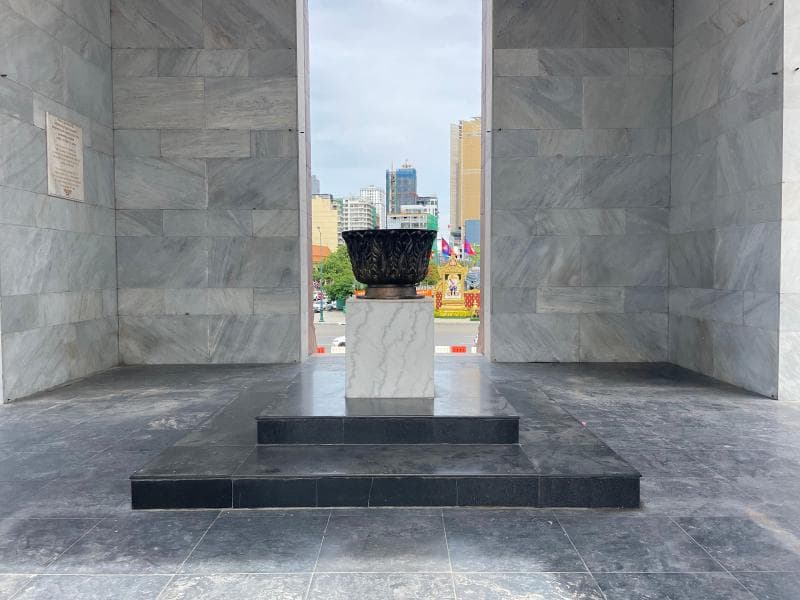
Explore the Public Gardens of Independence Monument in Phnom Penh, Cambodia, a lotus-shaped symbol of freedom and national heritage.
Overview
Nestled in the bustling heart of Phnom Penh, Cambodia, the Public Gardens surrounding the Independence Monument offer a serene and historically rich escape. This iconic landmark, known locally as Vimean Ekareach, stands proudly at the intersection of Norodom and Sihanouk Boulevards, serving as a powerful symbol of Cambodia's hard-won freedom. The gardens themselves provide a tranquil setting, allowing visitors to appreciate the monument's grandeur and reflect on its profound significance.
Designed by the celebrated Cambodian architect Vann Molyvann, the monument, inaugurated in 1962, is a lotus-shaped stupa, drawing inspiration from the magnificent Angkorian architecture of ancient Khmer temples. Standing tall at 20 meters, its reddish-brown stone is adorned with intricate designs, including multi-headed Naga snakes that grace its five levels. The surrounding manicured lawns, fountains, and open spaces invite both locals and travelers to pause, relax, and soak in the atmosphere of this vital national symbol.
History & Cultural Background
The Independence Monument was constructed between 1958 and 1962, specifically to commemorate Cambodia's liberation from nearly a century of French colonial rule, which officially ended on November 9, 1953. Beyond celebrating independence, it also stands as a solemn memorial to the Cambodian patriots and war heroes who sacrificed their lives for the welfare and freedom of the nation.
The architect, Vann Molyvann, was personally chosen and guided by Prince Norodom Sihanouk to ensure the monument harmonized religious and secular elements, creating a unique blend of modernist architecture with traditional Khmer aesthetics. Its design, reminiscent of the lotus buds and stupas found at sites like Angkor Wat and Banteay Srei, deeply connects it to Cambodia's rich cultural and spiritual heritage. This deliberate link ensures the monument is not merely a historical marker but a living testament to Cambodian identity and resilience.
What Makes It Special
What truly sets the Public Gardens and the Independence Monument apart is their dual role as both a historical landmark and a vibrant public space. The monument's elegant lotus-stupa form, with its intricate carvings of Naga, is a masterpiece of design, becoming even more captivating as shadows play across its surfaces in the late afternoon. However, the real spectacle unfolds at night when the entire structure, along with its fountains and surroundings, is illuminated by blue, red, and white floodlights, reflecting the colors of the Cambodian flag.
The serene and cool atmosphere of the surrounding park creates a stark contrast to the city's hustle and bustle, making it a cherished spot for quiet contemplation and communal gathering. Its central location makes it a natural focal point for national celebrations, particularly Independence Day (November 9) and Constitution Day (September 24), when the area bursts with activity, ceremonial flames, and floral tributes.
Stories, Fun Facts & Local Details
The name 'Vimean Ekareach,' which means 'Independence Monument' in Khmer, is often used by locals, highlighting the profound national pride associated with the site. An interesting detail is that the monument's construction utilized reinforced concrete, a modern material, yet masterfully integrated traditional Khmer decorative techniques.
The Public Gardens are more than just a backdrop; they are an integral part of Phnom Penh's daily life. You'll often see locals enjoying a leisurely stroll, jogging, or simply relaxing and savoring the cool breezes, especially in the evenings. Just west of the monument within these gardens, you'll also find the Norodom Sihanouk Memorial, featuring a bronze statue of the revered King-Father, adding another layer of historical significance to the area.
Visitor Perspective
Visiting the Public Gardens and Independence Monument is an immersive experience that offers a glimpse into Cambodia's soul. As a traveler, you can freely walk around the monument's exterior and explore the well-maintained park at any time of day, as it is open 24/7. There is no admission fee, making it an accessible and enriching stop on any itinerary.
For the best views and photography, consider visiting in the early morning or late afternoon when the light is softer and the weather is more pleasant. Witnessing the monument illuminated at night is a particularly magical and recommended experience. The gardens offer a peaceful environment for reflection, making it a perfect starting point to understand Phnom Penh's history and cultural landscape before exploring nearby landmarks such as the Royal Palace or Wat Phnom.
Coordinates: 104.9281, 11.5564
View on Google Maps💬 How Travelers Describe This Place
Based on community votes
Beautiful
639Unique
569Photogenic
476Interesting
128Must See
93
Traveler Stories
Discover memorable experiences shared by travelers who have visited this place.
No traveler stories yet.
Be the first traveler to share what made this place memorable.

Tour
By
Spot
Discover amazing places around the world. Your journey starts here.
Explore
© 2026 TourBySpot. All rights reserved.