Prison Cells
Dubrovnik, Croatia
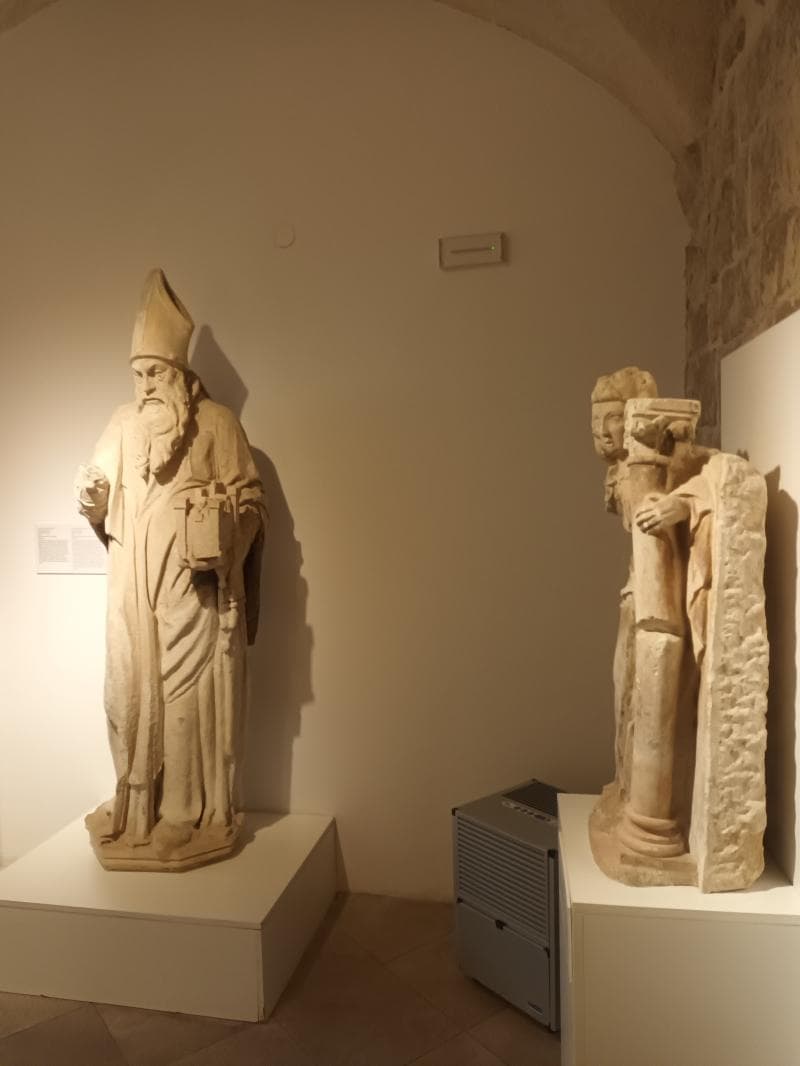
Explore the historic Prison Cells within Rector's Palace in Dubrovnik, Croatia. Delve into the Republic of Ragusa's judicial past and state administration.
Overview
Within the venerable walls of the Rector's Palace in Dubrovnik, Croatia, lies a compelling sub-spot that offers a stark contrast to the opulence surrounding it: the Prison Cells. This magnificent palace, known locally as Knežev dvor, served as the administrative heart of the Republic of Ragusa from the 14th century until its fall in 1808. It was not merely the residence of the Rector, but also housed the Minor Council, the state administration, an armory, a powder magazine, a watch house, and, significantly, a prison. Today, the Rector's Palace functions as the Cultural and Historical Museum of Dubrovnik, inviting visitors to explore centuries of the city's rich past. The prison cells, though modest in comparison to the palace's grand halls, provide a profound glimpse into the judicial arm of this powerful maritime republic, revealing a less glamorous yet equally vital aspect of its history.
History & Cultural Background
The Rector's Palace stood as the political nerve center of the Republic of Ragusa, embodying the essence of its governance. The Rector, the chief executive, held a unique position, elected for a single, brief term of just one month. This unusual system was a deliberate safeguard implemented by the shrewd Ragusan aristocracy to prevent any single individual from accumulating excessive power or becoming tyrannical. Confined largely to the palace during his mandate, the Rector was a symbol of public service, constantly reminded of his duties and the potential consequences of failing them.
Amidst the administrative offices, council chambers, and ceremonial halls, the presence of the prison cells underscores the comprehensive nature of the palace's function. They were an integral part of the state machinery, representing law enforcement and the direct application of justice within the Republic. While some prison cells were located on the ground floor, it is believed that more serious offenders or long-term prisoners were confined to dungeons situated in the basement, reflecting the varying degrees of punishment and the harsh realities of confinement in historical Dubrovnik. The palace itself underwent numerous reconstructions throughout its turbulent history, having been damaged by fires, devastating gunpowder explosions, and powerful earthquakes, yet the fundamental structure, including its carceral elements, endured.
What Makes It Special
What truly makes the Prison Cells at Rector's Palace special is the profound contrast they present. Stepping from the ornate, light-filled atrium, adorned with Renaissance and Baroque architectural details, into the somber, unadorned prison cells is a striking experience. This architectural juxtaposition highlights the dual nature of power in the Republic of Ragusa: on one hand, the splendor of governance and diplomacy, and on the other, the stark reality of its legal and punitive authority. These simple, stone-walled spaces offer a tangible, almost chilling, connection to the lives of individuals who found themselves on the wrong side of Ragusan law. They compel visitors to ponder the human stories behind the Republic's impressive facade, reminding us that even in a society renowned for its wealth and culture, order was maintained through strict discipline and, at times, severe justice.
Stories, Fun Facts & Local Details
The very location of the prison cells within the Rector's Palace is a poignant historical detail. Their proximity to the Rector's own quarters served as a constant, silent warning to the city's chief magistrate. It was a potent reminder of the fine line between power and potential downfall, emphasizing that even those at the apex of Ragusan society were subject to its laws and could face imprisonment if they betrayed their public trust. Historians suggest that this arrangement was a deliberate psychological tool, ensuring the Rector remained humble and dedicated to the common good. One significant inscription within the palace, 'Obliti privatorum, publica curate' (Forget private, tend to public affairs), served as a daily admonition to all statesmen. This powerful motto, originating from classical philosophy, underscored the Republic's unwavering commitment to public service above personal gain, and implicitly, the severe consequences for those who failed to uphold it. Imagining the echoes of daily palace life juxtaposed with the grim silence of the cells adds a layer of emotional depth to the site.
Visitor Perspective
For the modern traveler, a visit to the Prison Cells within the Rector's Palace offers a unique and thought-provoking perspective on Dubrovnik's past. Far from being a mere relic, these cells are a vivid reminder of the palace's crucial judicial role and allow for a deeper understanding of how the intricate state machinery of Dubrovnik functioned centuries ago. Exploring these confined spaces provides a moment of reflection amidst the grandeur of the museum's other exhibits. It evokes a powerful sense of history, allowing one to imagine the anxieties and despair of those confined within. This experience enriches the overall appreciation of the Rector's Palace, moving beyond its architectural beauty and administrative significance to reveal the human element of justice and consequence in the former Republic of Ragusa. It is a compelling, unvarnished insight into a less celebrated, but undeniably authentic, chapter of Dubrovnik's storied heritage.
Coordinates: 18.11068, 42.64031
View on Google Maps💬 How Travelers Describe This Place
Based on community votes
Interesting
800Must See
658Beautiful
589Photogenic
387Unique
90
Traveler Stories
Discover memorable experiences shared by travelers who have visited this place.
No traveler stories yet.
Be the first traveler to share what made this place memorable.

Tour
By
Spot
Discover amazing places around the world. Your journey starts here.
Explore
© 2026 TourBySpot. All rights reserved.