Prinsengracht
Amsterdam, Netherlands
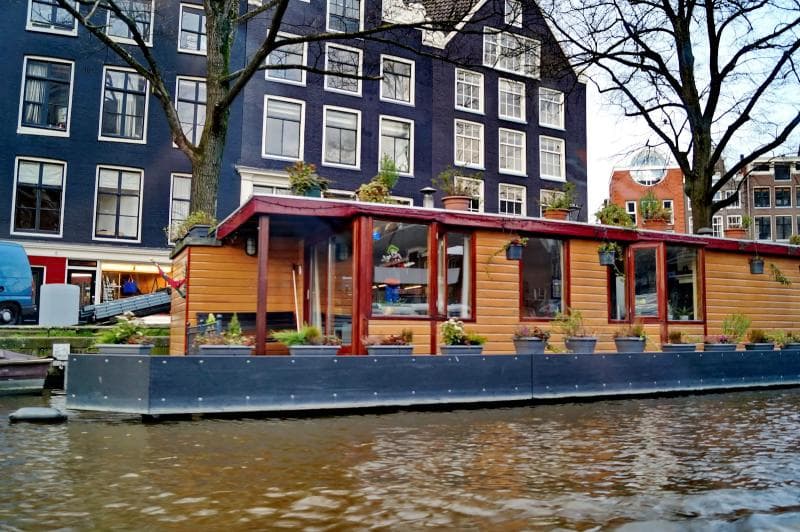
Explore Prinsengracht, Amsterdam's iconic Prince's Canal. Discover its rich history, the Anne Frank House, Westerkerk, and unique houseboats in the Netherlands.
Overview
The Prinsengracht, or Prince's Canal, stands as a captivating artery within Amsterdam's historic canal ring, representing the outermost and longest of the city's three principal concentric waterways. Stretching approximately 3.2 kilometers (2.0 miles) in length, it elegantly parallels the Keizersgracht, flowing from the Brouwersgracht in the north to the Amstel River in the southeast. Named in honor of the Prince of Orange, this iconic canal is a vital component of the 'Seventeenth-Century Canal Ring Area of Amsterdam inside the Singelgracht,' a distinguished UNESCO World Heritage Site since 2010. Its banks are renowned for their picturesque vistas, lined with characteristic 17th-century canal houses and numerous houseboats, each contributing to the Prinsengracht's unique charm and enduring appeal.
History & Cultural Background
The story of Prinsengracht is deeply intertwined with Amsterdam's remarkable growth during the Dutch Golden Age. Construction commenced in 1612 as part of the city's ambitious 'Third Expansion' project, an extraordinary urban planning endeavor designed to accommodate a burgeoning population that swelled from around 30,000 to over 100,000 by the 1620s. This expansion was crucial for facilitating the city's flourishing trade and economic prosperity. While the inner canals, such as the Herengracht, were often reserved for the wealthiest patricians, the Prinsengracht was conceived with a more democratic spirit. It served as a vibrant hub for Amsterdam's burgeoning middle class, artisans, and merchants, its banks bustling with workshops and warehouses where valuable goods like spices, textiles, and silks, brought in by the Dutch East India Company, were stored and traded. The entire canal belt, including the Prinsengracht, stands as a testament to 17th-century Dutch ingenuity in urban design and hydraulic engineering, a planned masterpiece that transformed a medieval port into a structured, crescent-shaped metropolis that set a global standard for urban development.
What Makes It Special
The Prinsengracht is distinguished by several profound landmarks and a living atmosphere that captures the essence of Amsterdam. Most notably, at Prinsengracht 263 stands the poignant Anne Frank House, where Anne Frank and her family bravely hid from Nazi persecution during World War II. Today, it serves as an impactful museum, drawing visitors from across the globe to reflect on a harrowing chapter of history and Anne's enduring spirit. Dominating the skyline nearby is the majestic Westerkerk, an iconic 17th-century church whose 85-meter spire, the Westertoren, offers a recognizable beacon and provides panoramic views of the city. The renowned Dutch painter Rembrandt van Rijn found his final resting place within its walls. Further along the canal, near the lively Noordermarkt, one finds the Noorderkerk, a Protestant church completed between 1620 and 1623. Designed to serve the common people of the Jordaan district, its unique Greek cross layout reflects the era's Protestant ideals. Beyond these architectural marvels, the canal itself is a spectacle, adorned with hundreds of unique houseboats that lend a bohemian charm, and lined with meticulously preserved merchant houses showcasing diverse 17th-century gable styles, including neck, bell, and crow-stepped designs. This rich tapestry of history, resilience, and architectural beauty contributes to the canal's esteemed status as a UNESCO World Heritage Site.
Stories, Fun Facts & Local Details
The Prinsengracht buzzes with stories and delightful local details that offer a deeper connection to Amsterdam's character. One of the most cherished annual events is the Prinsengrachtconcert, a free open-air classical music concert held every August on a pontoon directly in front of the historic Hotel Pulitzer. This beloved tradition sees eager crowds gather on boats and along the banks to enjoy world-class music under the summer sky. Every Saturday, the Noordermarkt, adjacent to the Noorderkerk, transforms into a bustling organic farmers' market, a vibrant scene where locals and visitors mingle amidst fresh produce, flowers, and artisanal goods. For a taste of old Amsterdam, Café Papeneiland, an authentic 'brown pub' dating back to 1642, offers a glimpse into the past. Legend has it that this cozy establishment harbored a secret cellar route used by Catholics to reach a hidden church during the Reformation, and it remains famous for its delicious apple pie. Along the canal, you might spot some unusually narrow, 'pie slice' corner houses, intriguing architectural quirks that add to the canal's distinctive visual appeal. The Prinsengracht also carries a poignant legacy from World War II, serving as a silent witness to acts of resistance and perseverance. Moreover, the intricate network of locks and sluices that diligently manages the canal's water levels is a marvel of engineering, a system largely unchanged and continuously functioning for centuries. It's no wonder Amsterdam, with its extensive waterways, is often affectionately dubbed the 'Venice of the North.'
Visitor Perspective
For a curious traveler, the Prinsengracht offers an immersive journey into the heart of Amsterdam. It acts as a vibrant boundary between the bustling city center and the charming, bohemian Jordaan district, each side offering a distinct flavor of urban life. Strolling along its tree-lined quays, cycling over its charming bridges, or embarking on a boat tour, visitors are enveloped in a lively yet intimate atmosphere. The canal provides a unique vantage point to admire the elegant gabled houses, the silent grace of houseboats, and the soaring spires of historic churches. It's a place where every reflection on the water, every sound from a waterside café, and every architectural detail feels like a chapter in Amsterdam's ongoing story. The Prinsengracht is not merely a sight to observe; it is an experience to absorb, allowing one to feel the pulse of a city that has masterfully balanced its rich history with its vibrant contemporary life. It invites you to step back in time while remaining firmly rooted in the present, offering a deeply soulful connection to the city's enduring spirit.
Coordinates: 4.88432, 52.37525
View on Google Maps💬 How Travelers Describe This Place
Based on community votes
Unique
551Beautiful
547Must See
336Interesting
298Photogenic
212
Traveler Stories
Discover memorable experiences shared by travelers who have visited this place.
No traveler stories yet.
Be the first traveler to share what made this place memorable.

Tour
By
Spot
Discover amazing places around the world. Your journey starts here.
Explore
© 2026 TourBySpot. All rights reserved.