Prehistoric Ireland
Dublin, Ireland
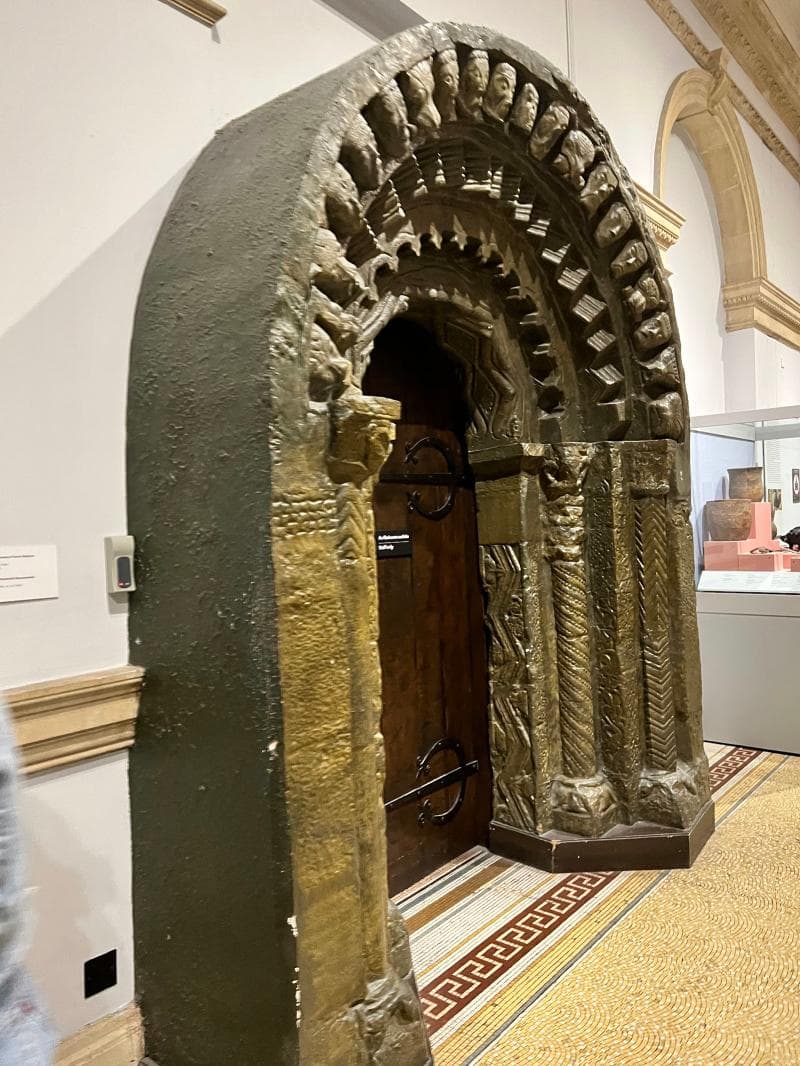
Explore Prehistoric Ireland at the National Museum of Ireland in Dublin. Discover ancient artifacts, bog bodies, and gold treasures from 7000 BC.
Overview
Step back in time at the National Museum of Ireland – Archaeology in Dublin, where the 'Prehistoric Ireland' exhibition unveils the captivating narrative of human life on the island from its earliest inhabitants. This essential collection, housed in a magnificent Victorian Palladian building, guides visitors through an extraordinary journey spanning from approximately 7000 BC to 500 BC. Discover the ingenuity of hunter-gatherers, the resourcefulness of Neolithic farmers, and the transformative advent of metalworking that shaped early Irish societies. Admission to this national treasure is free, inviting curious minds to explore the ancient past at their own pace.
History & Cultural Background
The story of Prehistoric Ireland begins around 7000 BC, just after the last Ice Age, with the arrival of Ireland's first hunter-gatherers. These early settlers expertly crafted stone tools and adapted to their environment by hunting wild animals, foraging for plants and shellfish, and fishing in abundant waters. As millennia passed, new waves of people brought revolutionary changes. Around 4000 BC, Neolithic farmers introduced agriculture, domesticating animals and cultivating crops. Their presence is evidenced by sophisticated pottery, tools, and the impressive megalithic tombs they constructed for communal burials, such as passage tombs. The exhibition vividly portrays this evolution, showcasing the everyday objects that defined these early communities. By approximately 2500 BC, the knowledge of metalworking arrived, marking the beginning of the Copper and Bronze Ages. This period saw the creation of more advanced tools, weapons, and decorative items from copper, bronze, and eventually, gold.
What Makes It Special
The 'Prehistoric Ireland' exhibition is renowned for its immersive presentation and remarkable artifacts. A highlight is the awe-inspiring reconstructed Passage Tomb, offering a tangible sense of the monumental architecture created by Neolithic communities. Adorned with evocative decorated stones, it provides a dramatic backdrop to the display of ancient tools and personal objects. Among the treasures, visitors will find the unique ceremonial flint macehead from Knowth, a testament to the artistic skill of its creators and the spiritual significance of such objects. The exhibition also features extremely rare Jadeite axeheads, imported from the distant Alps, underscoring the ancient world's far-reaching trade networks. The scale of ancient transport is demonstrated by a 4,500-year-old logboat from Lurgan, County Galway, one of the largest of its type ever found in Ireland. Furthermore, a significant collection of bronze horns, considered the earliest known Irish musical instruments, speaks to the cultural richness of the Bronze Age. The adjoining 'Ór - Ireland's Gold' exhibit showcases Europe's finest collection of prehistoric gold artifacts, including intricately worked lunulae and torcs, some dating back to 2200 BC, reflecting Ireland's rich ancient metalworking tradition.
Stories, Fun Facts & Local Details
Beyond the artifacts, the exhibition shares fascinating stories that bring ancient lives into focus. The bog bodies, such as Cashel Man, offer a haunting glimpse into Iron Age Ireland. These remarkably preserved human remains, often found in peat bogs, reveal details about their lives and deaths. Archaeologists have theorised that some bog bodies were tribal kings, ritually sacrificed after failing in their kingship, potentially enduring a 'threefold death' involving strangulation, wounding, and drowning. The beautifully decorated macehead from Knowth, one of the iconic Brú na Bóinne passage tombs, connects visitors directly to these ancient sacred landscapes. The sheer volume and quality of prehistoric gold found in Ireland hint at a society that valued artistry and perhaps displayed wealth and status through elaborate personal adornment. The National Museum of Ireland – Archaeology itself, opened in 1890, is an architectural marvel. Its grand rotunda and Corinthian colonnades, crafted from Irish marble, mirror the National Library of Ireland across the street, creating an impressive historical vista in the heart of Dublin.
Visitor Perspective
The 'Prehistoric Ireland' exhibition is located at the National Museum of Ireland – Archaeology on Kildare Street, Dublin 2. Visitors will find it an ideal starting point for exploring Ireland's deep archaeological past, offering a comprehensive overview before delving into other periods like the Vikings or Medieval Ireland. The museum's central location makes it easily accessible within Dublin city centre. Plan your visit between Tuesday and Saturday from 10:00 to 17:00, or on Sundays and Mondays from 13:00 to 17:00. It's recommended to enter by 16:30 to fully experience the galleries before closing. With free admission, it provides an invaluable opportunity for anyone interested in history, culture, or simply seeking a deeper understanding of Ireland's origins. The thoughtful curation and engaging displays make complex archaeological findings accessible and compelling for all ages.
Coordinates: -6.25415, 53.34021
View on Google Maps💬 How Travelers Describe This Place
Based on community votes
Interesting
800Must See
658Beautiful
589Photogenic
387Unique
90
Traveler Stories
Discover memorable experiences shared by travelers who have visited this place.
No traveler stories yet.
Be the first traveler to share what made this place memorable.

Tour
By
Spot
Discover amazing places around the world. Your journey starts here.
Explore
© 2026 TourBySpot. All rights reserved.