Prehistoric Gallery
Jakarta, Indonesia
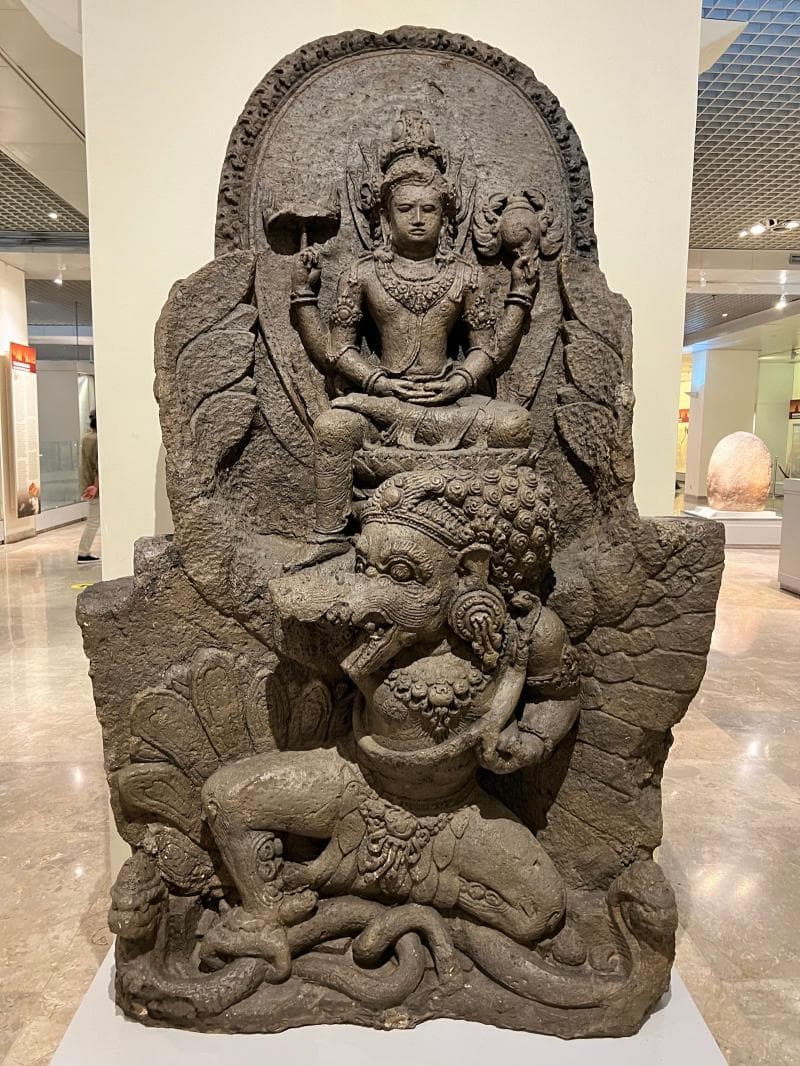
Explore the Prehistoric Gallery at the National Museum of Indonesia in Jakarta. Discover ancient human fossils, stone tools, and early civilization artifacts.
Overview
The Prehistoric Gallery, nestled within the esteemed National Museum of Indonesia in Jakarta, offers a compelling journey back to the dawn of human existence in the archipelago. Known locally as Museum Nasional Indonesia or affectionately as Museum Gajah (Elephant Museum), this institution stands as a beacon of Indonesia's rich archaeological, historical, ethnological, and geographical heritage. The museum's extensive collections are celebrated as among the most comprehensive and finest in Southeast Asia, with the Prehistoric Gallery forming a cornerstone of its narrative, showcasing the earliest chapters of human civilization and natural history in Indonesia.
Visitors to the Prehistoric Gallery will encounter a fascinating array of artifacts and exhibits that illuminate the lives of early inhabitants, from ancient hominids to the societies that laid the groundwork for future Indonesian cultures. This dedicated section transports you millions of years into the past, offering tangible connections to a world shaped by rudimentary tools, megafauna, and profound environmental changes. It is a testament to the enduring human story, preserved and presented in the heart of Indonesia's bustling capital.
History & Cultural Background
The National Museum of Indonesia itself boasts a storied past, with its origins tracing back to 1778, when it was established by the Dutch scientific society, the Bataviaasch Genootschap van Kunsten en Wetenschappen. This institution was founded with the ambitious goal of collecting and studying the diverse historical and cultural objects found across the Dutch East Indies. The museum officially opened its doors in 1868, though its present building was established earlier in 1862. It earned its popular moniker, 'Museum Gajah,' from a bronze elephant statue, a diplomatic gift from King Chulalongkorn of Siam in 1871, which still greets visitors at its forecourt today. The museum was formally renamed the National Museum of Indonesia in 1979.
The Prehistoric Gallery's significance is amplified by Indonesia's unique position in the study of human evolution. More than 50 percent of the world's Homo erectus fossil discoveries originate from Indonesia, highlighting the archipelago as a pivotal region in understanding early human origins and migration patterns. The gallery's exhibits reflect this profound historical depth, showcasing a lineage of human development that profoundly shaped global paleoanthropological understanding.
What Makes It Special
The Prehistoric Gallery stands out for its exceptional collection of early human fossils and artifacts. It features significant findings such as the remains of Homo erectus (famously known as 'Java Man'), Homo Wajakensis, and the diminutive Homo Floresiensis ('Flores Man'). Among its treasures is the skull of Homo erectus Sangiran 17, considered the most complete Homo erectus skull discovered in Indonesia, providing invaluable insights into our ancient ancestors. The gallery also displays fascinating fossils like the tusk of a Stegodon, an ancient elephant species that roamed the region hundreds of thousands of years ago.
Beyond hominid remains, the gallery presents a compelling array of early stone tools and meticulously recreated prehistoric burial sites, including a replica from Jembrana, Bali, dating back thousands of years. A recent, notable addition to the museum's offerings is the 'Early History' exhibition, launched in late 2025, which specifically features repatriated Dubois Collection fossils, underscoring Indonesia's ongoing commitment to reclaiming and showcasing its archaeological heritage.
Stories, Fun Facts & Local Details
One of the most compelling aspects of the Prehistoric Gallery is its power to challenge conventional narratives of human evolution. By presenting a wealth of evidence from the Indonesian archipelago, the museum asserts Indonesia's crucial role in the grand story of humanity, often countering theories that exclusively place the origins of ancient human civilization in Africa and Europe. The repatriation of the Dubois Collection, including original 'Java Man' fossils from the Netherlands, serves as a powerful testament to the global significance of Indonesia's prehistoric finds and a triumph of cultural heritage preservation.
Visitors can delve into the fascinating details of ancient life, learning about the hunting tools, daily practices, and even the spiritual beliefs hinted at by early burial customs. Imagine the ingenuity required to craft tools from stone or the social structures that might have governed early communities. The gallery provides not just artifacts, but a window into the imagination, allowing one to ponder the resilience and adaptability of our earliest forebears in the unique landscapes of Indonesia.
Visitor Perspective
Located conveniently on Jalan Medan Merdeka Barat in Central Jakarta, directly opposite the iconic Monas (National Monument), the National Museum of Indonesia is easily accessible to all curious travelers. The Prehistoric Gallery is designed to be an immersive and educational experience, guiding visitors through chronological exhibits complemented by detailed explanations. While the museum faced a fire incident in 2023, subsequent exhibitions, including significant prehistoric displays launched in late 2025 and early 2026, indicate its continued dedication to sharing Indonesia's profound past.
As you wander through the gallery, you'll gain a deeper appreciation for the immense span of Indonesia's history, predating recorded civilizations. It's an opportunity to connect with the primal human journey and understand how the foundations of Indonesian culture were laid over millions of years. This journey through prehistory is not merely a display of old objects, but an enlightening experience that contextualizes Indonesia's place in the broader tapestry of global human development, making it an essential visit for anyone seeking to understand the deep roots of this incredible nation.
Coordinates: 106.8217, -6.1761
View on Google Maps💬 How Travelers Describe This Place
Based on community votes
Beautiful
836Unique
797Photogenic
396Interesting
286Must See
255
Traveler Stories
Discover memorable experiences shared by travelers who have visited this place.
No traveler stories yet.
Be the first traveler to share what made this place memorable.

Tour
By
Spot
Discover amazing places around the world. Your journey starts here.
Explore
© 2026 TourBySpot. All rights reserved.