Prayer Hall
Hanoi, Vietnam
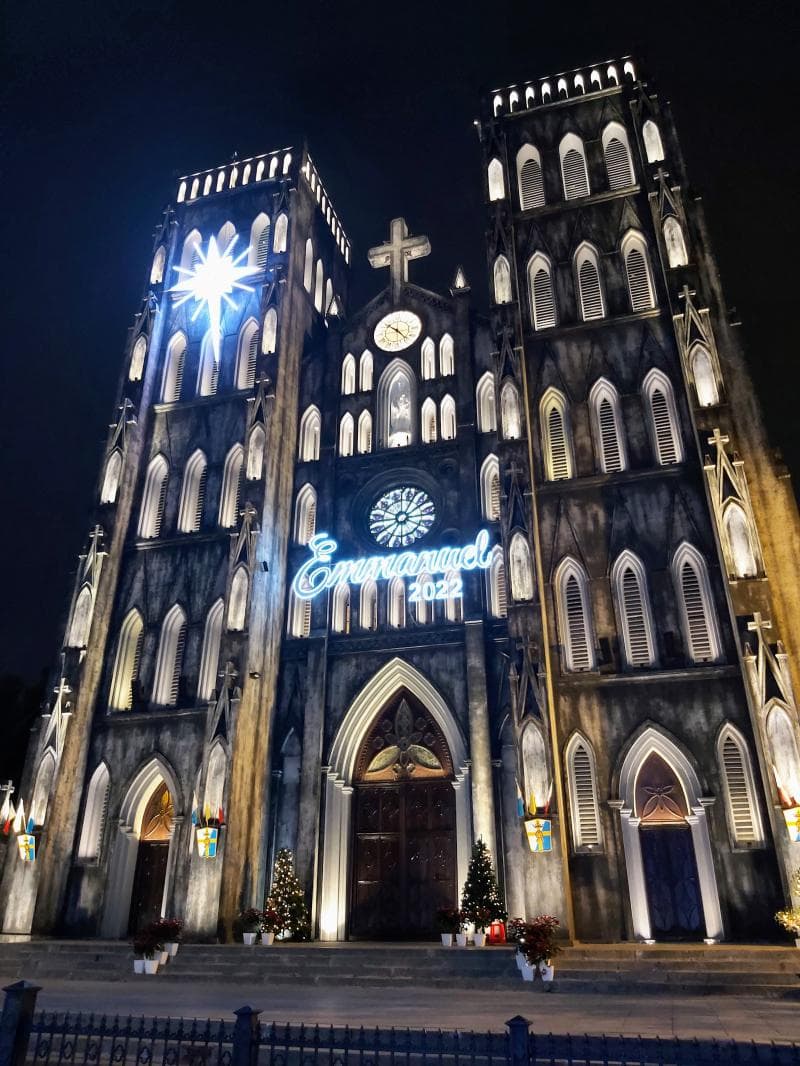
Explore the serene Prayer Hall of St. Joseph's Cathedral in Hanoi, Vietnam. Discover its Gothic architecture, rich history, and spiritual significance.
Overview
Stepping into the Prayer Hall within St. Joseph's Cathedral in Hanoi, Vietnam, is to enter a serene sanctuary that stands in stark contrast to the city's vibrant hustle. This central space, the very heart of the cathedral, serves as the primary area for worship, reflection, and spiritual gathering. As Hanoi's oldest church, its interior, often referred to as the main prayer space, embodies a blend of European Gothic grandeur and subtle Vietnamese influences, offering visitors a profound sense of peace and historical resonance.
History & Cultural Background
St. Joseph's Cathedral, and by extension its Prayer Hall, holds a significant place in Vietnam's history, dating back to the late 19th century. Construction commenced in 1884 under French colonial administration, with the cathedral completed and consecrated on Christmas Eve of 1886. It was consciously modeled on the iconic Notre-Dame de Paris, showcasing a Neo-Gothic architectural style. The site itself carries layers of history, as it was built upon the former grounds of the Bao Thien Pagoda, a sacred Buddhist shrine from the Ly and Tran dynasties. This replacement marked a deliberate assertion of colonial and religious power. During the French colonial period, the cathedral became the bustling center of Catholicism in Northern Vietnam, hosting daily and weekly ceremonies. After decades of closure following 1954, services resumed in 1990, allowing this prayer space to once again flourish as a spiritual home for Hanoi's Catholic community.
What Makes It Special
The interior of St. Joseph's Cathedral's Prayer Hall is distinguished by several captivating features that create its unique atmosphere. High vaulted ceilings, characteristic of Gothic architecture, draw the eye upward, evoking a sense of reverence and spaciousness. Tall, narrow stained-glass windows, many of which were produced in France and transported to Vietnam, depict biblical scenes and illuminate the hall with shimmering, colored light, especially when sunlight passes through. The main altar, crafted from stone and gilded wood, intricately blends Western design with traditional Vietnamese artistic sensibilities. A large pipe organ, boasting over 1,800 pipes, contributes to the cathedral's rich musical ambiance during services, filling the space with powerful hymns and prayers. The rib-vaulted ceiling, reminiscent of medieval European churches, further enhances the architectural grandeur of this sacred space.
Stories, Fun Facts & Local Details
Within this prayer space, visitors can observe fascinating details that highlight its unique cultural context. To the left of the nave, a statue of the Virgin Mary is traditionally placed in a palanquin, reflecting a local custom. This subtle integration of local elements within a European architectural style speaks to the cathedral's journey and its adaptation within Vietnamese culture. During mass, the entire hall comes alive with the presence of hundreds, sometimes thousands, of worshippers, often spilling out into the surrounding streets. Prayers and hymns are broadcast to the plaza outside, allowing those who cannot fit inside to participate in the spiritual experience. The interior, though described as modest compared to its imposing exterior, possesses a striking atmosphere, particularly during services when candlelight and incense add to the sensory richness.
Visitor Perspective
For any curious traveler, visiting the Prayer Hall offers a chance to experience a living piece of history and a vibrant spiritual center. While the exterior of the cathedral is accessible 24/7, the interior typically has specific visiting hours outside of mass times: generally from 8:00 AM to 11:00 AM and 2:00 PM to 5:00 PM on weekdays. During mass, visitors are welcome to quietly observe from the back, respecting the sanctity of the service. Modest dress, with shoulders and knees covered, is required for entry, underscoring the respectful atmosphere maintained within the hall. The peaceful ambiance found within this historic prayer space provides a remarkable contrast to Hanoi's bustling streets, inviting moments of quiet contemplation and appreciation for its enduring architectural and cultural legacy.
Coordinates: 105.84889, 21.02861
View on Google Maps💬 How Travelers Describe This Place
Based on community votes
Photogenic
847Must See
831Interesting
685Unique
433Beautiful
211
Traveler Stories
Discover memorable experiences shared by travelers who have visited this place.
No traveler stories yet.
Be the first traveler to share what made this place memorable.

Tour
By
Spot
Discover amazing places around the world. Your journey starts here.
Explore
© 2026 TourBySpot. All rights reserved.