Prater Museum
Vienna, Austria
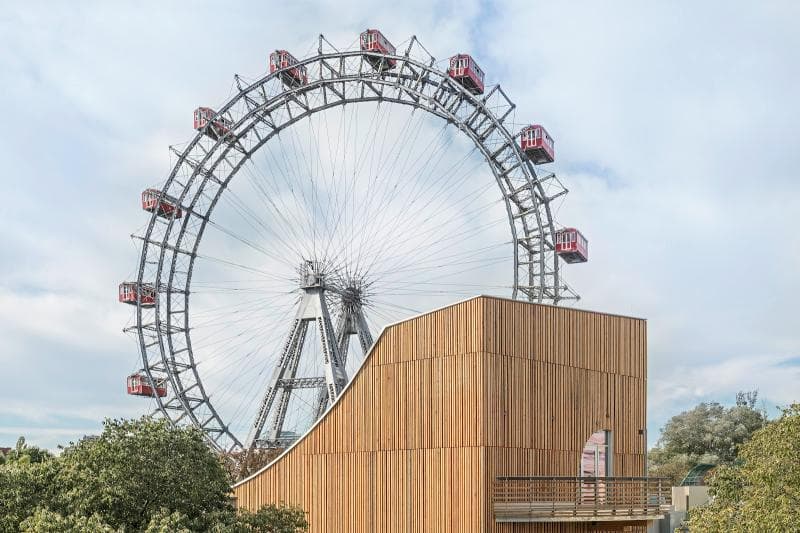
Explore the Prater Museum in Vienna, Austria, and uncover the fascinating history of this iconic amusement park, from imperial grounds to a public playground.
Overview
Nestled within Vienna's iconic Prater, a vast recreational area and amusement park, lies the Prater Museum, a fascinating cultural institution dedicated to chronicling the vibrant history of this beloved Viennese landmark. It serves as a captivating gateway to understanding how the Prater evolved from imperial hunting grounds to a dynamic hub of entertainment and social life. Recently relocated and reopened in a modern, sustainable building in March 2024, the museum now offers an enhanced experience right in the heart of the Wurstelprater, the amusement park section. Visitors can embark on a journey through time, exploring two and a half centuries of fun, innovation, and social change through a rich collection of artifacts and engaging exhibits.
History & Cultural Background
The story of the Prater begins long before it became a public playground. Originally, it was an imperial hunting ground, reserved exclusively for the Austrian nobility. In a revolutionary move in 1766, Emperor Joseph II generously opened the area to the public, transforming it into a recreational space for all Viennese citizens. This act laid the foundation for what would become the Wurstelprater, as early inns, coffee houses, and simple attractions began to spring up. The museum's core collection owes much to Hans Pemmer (1886–1972), a dedicated local historian who amassed a vast private collection of Prater memorabilia. Pemmer's tireless efforts to preserve blueprints, artworks, photographs, and artifacts like carousel horses and mechanical games were crucial, especially after large parts of the Prater were destroyed by fire during World War II. His donation of this collection to the City of Vienna in 1964 led to the establishment of the original Prater Museum, initially housed within the Planetarium.
What Makes It Special
The Prater Museum stands out for its immersive approach to showcasing the Prater's multifaceted past. Its collection is a treasure trove of unique objects that paint a vivid picture of bygone eras. Visitors can marvel at original Ringelspiel (merry-go-round) and Punch and Judy figures, examine parts of a historic grotto ride, and discover early slot machines. Among its most famous original exhibits are the 'Watschenmann', the figure of Fortuna, and an antique matchmaking machine, offering intriguing glimpses into the entertainments and social customs of previous generations. The museum's new location, one of Vienna's first public timber buildings, is a model of sustainable design and features a spacious, three-level exhibition area. The ground floor foyer welcomes guests with a monumental panoramic illustration by Olaf Osten, depicting around 700 personalities and 100 animals that have shaped Vienna and the Prater, inviting visitors to spot familiar faces from Mozart to Sigmund Freud.
Stories, Fun Facts & Local Details
The Prater is steeped in captivating stories and quirky details. The name 'Wurstelprater' is believed to originate from Hanswurst, a comical character from traditional folk theatre that became popular in the area after it opened to the public. The Prater was the site of the 1873 Vienna World Exhibition, a grand event that transformed the landscape and introduced numerous innovations. In 1897, the iconic Vienna Giant Ferris Wheel (Wiener Riesenrad) was constructed, quickly becoming a symbol of both the Prater and Vienna itself. Before that, the 'Venice in Vienna' amusement area, established in 1895, allowed visitors to experience gondola rides and Venetian architecture right in the heart of Vienna, foreshadowing modern theme parks. The museum also highlights the Prater's role as a filming location for famous movies like 'The Third Man' and 'Before Sunrise', showcasing its enduring appeal in popular culture. Its comprehensive collection ensures that the Prater's rich cultural heritage, including its resilience after the devastation of World War II, is preserved and celebrated.
Visitor Perspective
Visiting the Prater Museum offers a dynamic and accessible journey through Vienna's entertainment history. The new museum, with its thoughtful curation across three levels, allows for an engaging exploration without overwhelming visitors. The exhibits are well-documented in both German and English, and the museum is designed to be fully accessible, including for wheelchair users and those with visual impairments, featuring tactile information and QR codes. Located conveniently close to the Giant Ferris Wheel and easily reachable by public transport via Praterstern station, it serves as an ideal starting point for anyone wishing to delve into the spirit of the Prater. Whether you have an hour or more, the museum provides a quick yet profound insight into the Prater's evolution, its societal significance as 'a place for everyone', and the unique blend of tradition and modernity that defines it.
Coordinates: 16.39689, 48.21694
View on Google Maps💬 How Travelers Describe This Place
Based on community votes
Must See
950Beautiful
287Photogenic
255Unique
231Interesting
86
Traveler Stories
Discover memorable experiences shared by travelers who have visited this place.
No traveler stories yet.
Be the first traveler to share what made this place memorable.

Tour
By
Spot
Discover amazing places around the world. Your journey starts here.
Explore
© 2026 TourBySpot. All rights reserved.