Portrait Gallery
Dubrovnik, Croatia
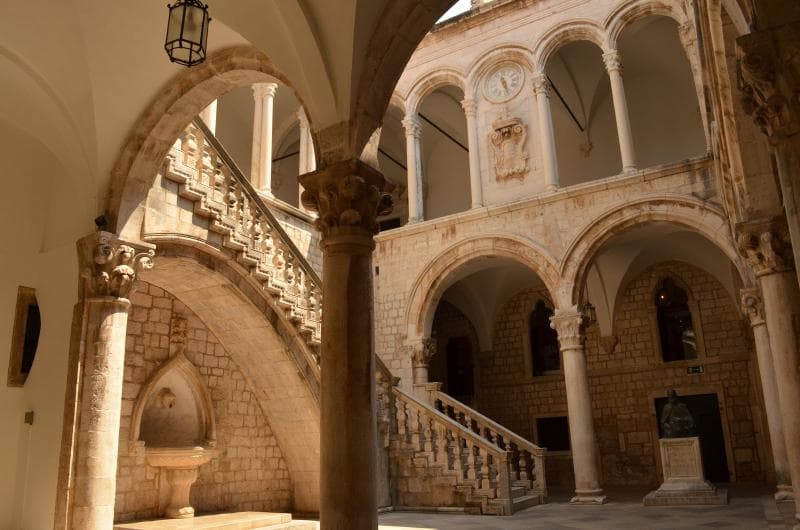
Discover the historical portraits within Dubrovnik's Rector's Palace, home to the Cultural History Museum in Croatia, and explore the legacy of the Ragusan Republic's leaders.
Overview
The Rector's Palace, nestled in the heart of Dubrovnik, Croatia, stands as a testament to the city's rich history and former glory as the Republic of Ragusa. Today, this magnificent Gothic, Renaissance, and Baroque architectural marvel houses the Cultural History Museum, offering visitors an immersive journey into the lives of Dubrovnik's nobility and leadership. Within its walls, amongst richly recreated period furniture and historical artifacts, a captivating collection of portraits provides a unique window into the city's past.
While not a dedicated 'Portrait Gallery' in name, the palace's various halls and former living quarters proudly display an array of paintings, including significant portraits of Dubrovnik's rectors, noble families, and works by old masters. These artworks are integral to the museum's permanent exhibition, meticulously arranged to evoke the authentic atmosphere of the period and to illustrate the Republic's artistic and historical heritage.
History & Cultural Background
The Rector's Palace served as the seat of the Rector of the Republic of Ragusa from the 14th century until 1808. It was not merely an administrative building but also the residence for the elected Rector, who, during his one-month term, was largely confined to the palace, symbolizing his dedication to public affairs above private interests. This pivotal role in the Republic's governance meant the palace also housed state offices, a courtroom, and even a prison.
The collection of portraits within the palace museum vividly reflects this historical context. They represent the faces of power, influence, and the artistic preferences of an independent city-state that thrived on trade and diplomacy. These visual records are crucial for understanding the social hierarchy and cultural values of Dubrovnik during its golden age, providing a human dimension to the historical narrative presented by the museum.
What Makes It Special
What makes the display of portraits within the Rector's Palace truly special is their direct connection to the very individuals who shaped Dubrovnik's destiny. Unlike a conventional art gallery, these portraits are presented within the authentic environment where these leaders lived and governed. They are not just artworks but historical documents, offering insights into fashion, societal roles, and the self-perception of Dubrovnik's elite.
The collection includes pieces by Italian masters, reflecting the strong cultural ties between Dubrovnik and Italian city-states, as well as works by local artists such as Mihailo Hamzić, a notable figure from the 16th-century Dubrovnik Painters School. These portraits, alongside coats of arms and other period artifacts, help to recreate the opulent and formal atmosphere of the rectors' apartments and reception rooms, giving visitors a tangible sense of aristocratic life.
Stories, Fun Facts & Local Details
Imagine the rectors, bound by their one-month term, presiding over the city from these very rooms, surrounded by images of their predecessors and peers. One fascinating detail about the Rector's role was his inability to leave the palace without the Senate's permission, emphasizing his devotion to public service. The portraits in the palace might have served as a constant reminder of the legacy they were expected to uphold.
Among the notable works is a portrait by the Croatian artist Mihailo Hamzić, an important artist from the Dubrovnik Renaissance. The presence of such local talent alongside renowned Italian artists underscores Dubrovnik's vibrant artistic scene and its cosmopolitan outlook. Viewing these portraits, one can almost hear the echoes of political discussions and the rustle of noble garments, bringing history to life.
Visitor Perspective
For a curious traveler, exploring the portraits and paintings at the Rector's Palace offers a profound encounter with Dubrovnik's past. As you wander through the elegant chambers, you'll gain a deeper appreciation for the individuals who once walked these halls and the artistic traditions they cherished. The museum's rich collection, including these valuable portraits, is part of the permanent display and is meticulously curated to provide a comprehensive cultural and historical experience.
The experience is less about admiring art in isolation and more about understanding the stories behind the faces, connecting them to the historical events and the unique governance of the Ragusan Republic. It's a chance to immerse yourself in the daily life and political landscape of a bygone era, allowing the spirit of old Dubrovnik to truly resonate. Many visitors find the cultural history museum within the palace to be a concise yet impactful glimpse into the city's remarkable heritage.
Coordinates: 18.1102, 42.6403
View on Google Maps💬 How Travelers Describe This Place
Based on community votes
Unique
910Beautiful
755Photogenic
658Interesting
374Must See
28
Traveler Stories
Discover memorable experiences shared by travelers who have visited this place.
No traveler stories yet.
Be the first traveler to share what made this place memorable.

Tour
By
Spot
Discover amazing places around the world. Your journey starts here.
Explore
© 2026 TourBySpot. All rights reserved.