Portrait Gallery
Innsbruck, Austria
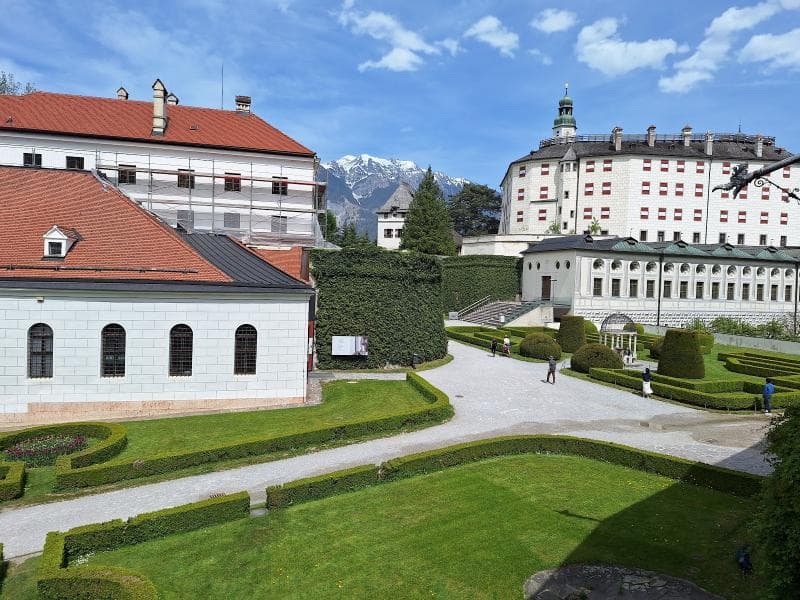
Explore the Habsburg Portrait Gallery at Ambras Castle in Innsbruck, Austria. Discover centuries of European history through royal portraits.
Overview
Nestled within the historic walls of Ambras Castle in Innsbruck, Austria, the Portrait Gallery, officially known as the Habsburg Portrait Gallery, offers a fascinating journey through centuries of European aristocracy. Housed on three floors of the castle's Upper Castle, this distinguished collection showcases approximately 250 portraits, primarily spanning the period from 1400 to 1800. The gallery is meticulously arranged to highlight the dynastic and genealogical connections of the powerful Habsburg family and other significant European ruling houses. It provides a unique window into the history, culture, and artistic trends that shaped Central Europe. The Portrait Gallery is a seasonal exhibition, typically welcoming visitors from April 1 to October 31, allowing them to immerse themselves in the rich visual narratives of a bygone era.
History & Cultural Background
The cultural and historical significance of Ambras Castle, and by extension its Portrait Gallery, is inextricably linked to Archduke Ferdinand II of Tyrol (1529–1595). As a passionate and discerning collector, Ferdinand II transformed a medieval fortress into a magnificent Renaissance residence, purpose-built to house his extensive collections. His visionary approach led to Ambras Castle being recognized as one of the world's earliest museums, a place where art and curiosities were systematically displayed for scholarly and public appreciation.
While Ferdinand II originally amassed an impressive collection of nearly 1,000 miniature portraits, which are now largely in Vienna, the current Habsburg Portrait Gallery at Ambras Castle was established in 1976. This modern iteration draws from imperial collections and portraits found in various Habsburg castles, bringing together a cohesive narrative of the dynasty's legacy. The gallery reflects Ferdinand's initial enthusiasm for documenting lineage and historical figures, albeit with a refined focus on the grand history of Austria through its leading families.
What Makes It Special
The Habsburg Portrait Gallery is distinguished by its exceptional collection of courtly portraits, offering a multi-faceted glimpse into the art and cultural history of a pivotal era. Visitors can admire works by some of the most renowned painters of their time, including Giuseppe Arcimboldo, Lucas Cranach the Younger, Diego Velázquez, and Peter Paul Rubens, among others.
What truly sets this gallery apart is its genealogical arrangement, guiding visitors through the complex network of Habsburg family ties. It's more than just a display of individual artworks; it's a visual chronicle of the marriage and alliance policies that underpinned the power and influence of the Habsburgs across Europe for centuries. Walking through the three storeys of the Upper Castle, visitors embark on a journey that connects artistic mastery with profound historical context.
Stories, Fun Facts & Local Details
Archduke Ferdinand II was a collector of immense curiosity, known for his 'Chamber of Art and Wonders' which contained not only exquisite artworks but also 'wonders of nature' and unusual portraits. Among these were depictions of individuals with physical disabilities, such as the famous portrait of Petrus Gonsalvus, whose condition (hypertrichosis) was later dubbed 'Ambras syndrome' in reference to its documentation here. This reflects a broader Renaissance fascination with the unique and extraordinary.
The castle itself was a vibrant center during Ferdinand's time, serving as the residence for him and his secret wife, Philippine Welser. Philippine, despite her non-aristocratic background, was highly regarded for her compassion and dedication to healthcare, leaving a lasting legacy within the castle's history. Ambras Castle also briefly served as a summer residence for Archduke Franz Ferdinand, further cementing its role in Habsburg history.
Visitor Perspective
Visiting the Habsburg Portrait Gallery is an immersive experience that transports one directly into the heart of European history. Located within the magnificent Upper Castle, the journey through the gallery's three floors unfolds like a historical narrative, allowing for a deep connection with the past. While the castle is an ancient structure, efforts have been made to ensure accessibility, with stairlifts and an elevator to certain areas of the Upper Castle, including the Portrait Gallery.
The gallery is open daily from 10 a.m. to 5 p.m., but it is important to note its seasonal availability, from April 1 to October 31, and closure during November. An audio guide is available to enrich the experience, providing detailed insights into the artworks and the historical figures they represent. It's an ideal destination for those seeking to understand the intricate tapestry of European royal history through the powerful medium of portraiture.
Coordinates: 11.43472, 47.25667
View on Google Maps💬 How Travelers Describe This Place
Based on community votes
Beautiful
965Photogenic
743Unique
629Must See
184Interesting
176
Traveler Stories
Discover memorable experiences shared by travelers who have visited this place.
No traveler stories yet.
Be the first traveler to share what made this place memorable.

Tour
By
Spot
Discover amazing places around the world. Your journey starts here.
Explore
© 2026 TourBySpot. All rights reserved.