Porcelain Museum
Munich, Germany
Explore the exquisite Porcelain Museum in Munich, Germany, home to the unique Bäuml Collection of Nymphenburg porcelain from the 18th to 20th centuries.
Overview
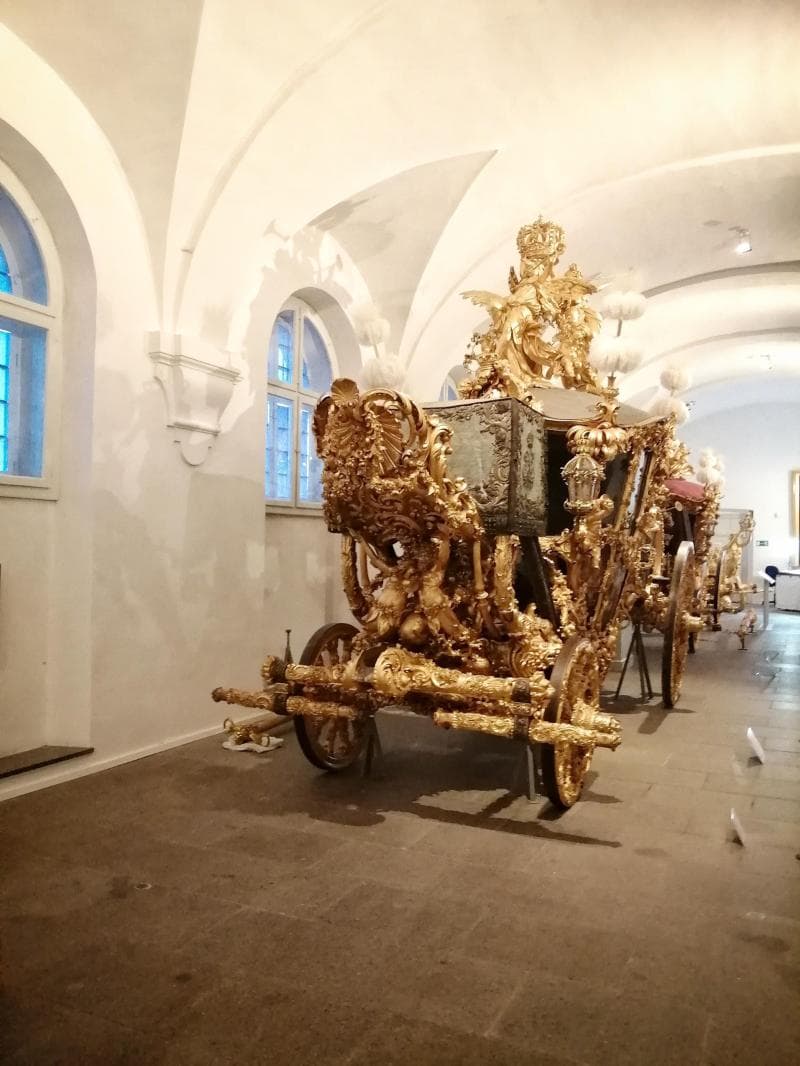
Tucked away within the magnificent Nymphenburg Palace in Munich, Germany, the Porcelain Museum offers a captivating journey into the delicate world of Nymphenburg porcelain. Often referred to as the Museum of Nymphenburg Porcelain – Bäuml Collection, this specialized museum is a treasure trove of artistic craftsmanship. It is conveniently situated on the upper floor of the Marstallmuseum, or Carriage Museum, providing visitors with a seamless cultural experience within the palace's grand setting. Here, you'll discover a remarkable collection that chronicles centuries of Bavarian artistry, showcasing over 1,000 exquisite pieces that narrate the evolution of this renowned manufactory from its inception to the mid-20th century.
History & Cultural Background
The story of Nymphenburg porcelain begins in 1747 when Bavarian Elector Maximilian III Joseph established the Electoral Porcelain Manufactory. His ambition was to rival the famous porcelain houses of Meissen and Vienna, thereby enhancing the prestige of the Wittelsbach court. Initially located at the Grünes Schlössl in Neudeck, the manufactory later moved to one of the elegant Cavalier Houses near Nymphenburg Palace in 1761, where it continues its production to this day. In the 18th century, porcelain was considered 'white gold' – a luxury item as coveted as jewels, representing the epitome of courtly cultivation and status. The Wittelsbach family were indeed major patrons, commissioning magnificent services and decorative pieces that adorned their palaces and served as diplomatic gifts.
What Makes It Special
What truly sets the Museum of Nymphenburg Porcelain apart is its unparalleled focus on the manufactory's output and its rich history. The collection, largely built by Albert Bäuml in the late 19th century, provides an almost unbroken documentation of Nymphenburg production. A definitive highlight is the extensive display of Rococo figures by the ingenious master modeler Franz Anton Bustelli. His lively and expressive Commedia dell'arte figures, created in the mid-18th century, are considered masterpieces of porcelain art, captivating viewers with their dynamic poses and intricate details. Beyond Bustelli's genius, the museum also proudly presents a significant collection of Jugendstil (Art Nouveau) porcelain, characterized by its innovative forms and decorative elegance. The museum powerfully illustrates how Nymphenburg porcelain, still crafted entirely by hand today using traditional methods, represents a continuous legacy of artistic excellence and dedication to craftsmanship.
Stories, Fun Facts & Local Details
The pursuit of porcelain in 18th-century Europe was a fascinating blend of alchemy and artistry. As 'white gold', its production was a closely guarded secret, known as the 'arcanum'. Early porcelain makers experimented tirelessly to replicate the translucent beauty of Chinese imports, often facing immense challenges in finding the right raw materials and achieving the impossibly high firing temperatures. The Nymphenburg Manufactory successfully uncovered this secret, and its reputation for quality soon spread across Europe. A testament to its enduring tradition, the manufactory still operates nearby, with its potters' wheels powered by the very same water stream that has served it for centuries. King Ludwig I, a great enthusiast of the arts, also played a crucial role, commissioning porcelain paintings and establishing an institute to academically train porcelain artists. This blend of royal patronage, individual artistic genius like Bustelli, and the dedication of figures like Albert Bäuml, who meticulously collected and preserved Nymphenburg's artistic heritage, underlines the museum's unique character.
Visitor Perspective
Visiting the Porcelain Museum is an intimate encounter with history and artistry. As you ascend to its galleries above the Marstallmuseum, you step into a world of refined beauty. The sheer volume and variety of the collection – from delicate tableware and exquisite vases to intricate figurines and decorative objects – offer a comprehensive overview of the manufactory's output. You can observe the stylistic shifts from the Rococo charm of Bustelli's figures to the elegant lines of Art Nouveau. The displays are thoughtfully arranged, allowing you to appreciate the fine details and the vibrant, often hand-painted, decorations. It's an opportunity to reflect on the craftsmanship involved in each piece, recognizing that every item is the product of meticulous handwork. The museum offers a quiet and contemplative experience, a stark contrast to the grandeur of the main palace, providing a deeper understanding of Bavaria's rich cultural heritage through the lens of its famed 'white gold'.
Coordinates: 11.5036, 48.1581
View on Google Maps💬 How Travelers Describe This Place
Based on community votes
Photogenic
989Must See
791Interesting
613Beautiful
514Unique
207
Traveler Stories
Discover memorable experiences shared by travelers who have visited this place.
No traveler stories yet.
Be the first traveler to share what made this place memorable.

Tour
By
Spot
Discover amazing places around the world. Your journey starts here.
Explore
© 2026 TourBySpot. All rights reserved.