Porcelain Museum
Florence, Italy
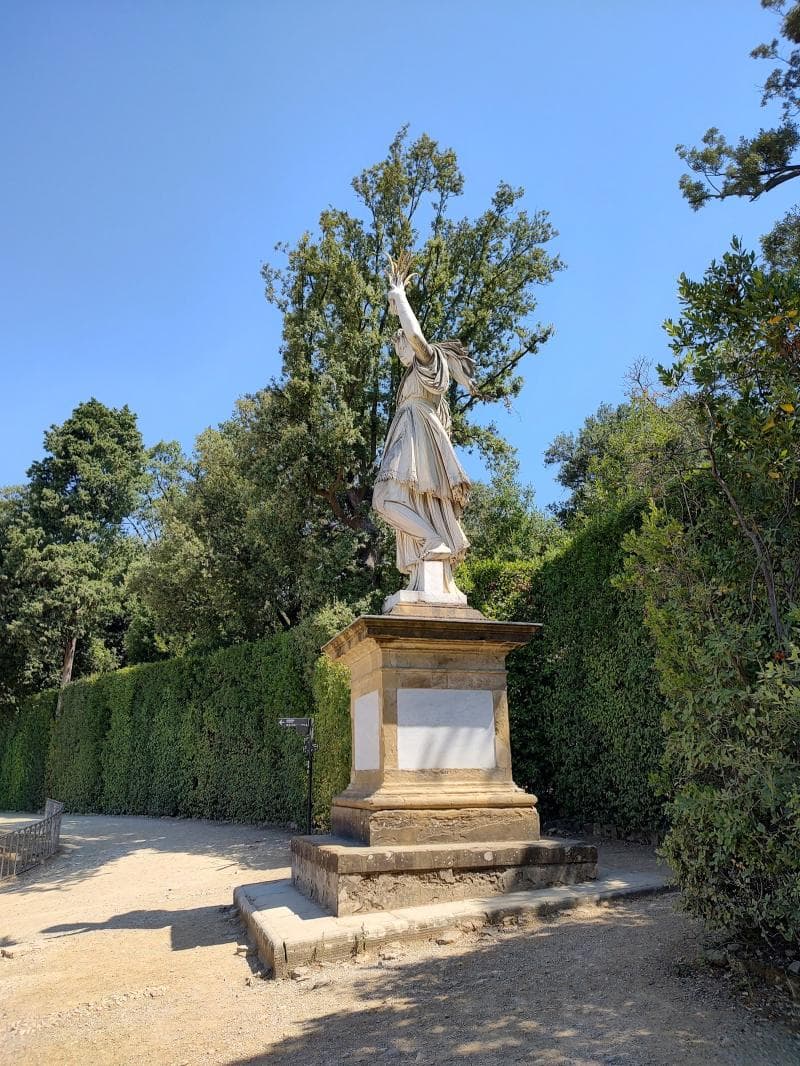
Discover the exquisite Porcelain Museum inside Florence's Boboli Gardens, Italy. Explore royal European porcelain collections and rich history.
Overview
Nestled atop the highest point within Florence's magnificent Boboli Gardens, the Porcelain Museum (Museo delle Porcellane) offers a captivating glimpse into centuries of royal artistry and sophisticated tastes. Housed within the charming Casino del Cavaliere, an elegant 17th or 18th-century structure originally conceived as a Grand Ducal retreat, this museum presents an exquisite collection of European porcelains. It's a serene, often less-crowded gem, providing a tranquil escape and stunning panoramic views of Florence's iconic cityscape and the surrounding Tuscan hills.
As part of the larger Pitti Palace complex, the Porcelain Museum showcases how this delicate art form played a significant role in the lives and diplomatic exchanges of European royalty, particularly those who ruled Tuscany. Its elevated position means a pleasant stroll through the Boboli Gardens is a prerequisite for a visit, adding to the sense of discovery and making the journey as rewarding as the destination itself.
History & Cultural Background
The story of the Porcelain Museum is deeply intertwined with the royal families who shaped Tuscany's history: the Medici, the Lorraine, and the Savoy dynasties. While the museum itself opened its doors in 1973, the collection it houses is far older, reflecting over 250 years of acquisitions, commissions, and diplomatic gifts.
Porcelain, a highly prized material that originated in China, became a coveted luxury in Europe during the 18th century. European courts vied to uncover its secrets and establish their own manufacturing centers. The pieces within the museum are a direct reflection of this fascination and the changing tastes of the ruling families. Many items were brought to Florence by the House of Savoy, who unified various royal collections from palaces across Italy at the Pitti Palace. Other significant portions of the collection were amassed by the Lorraine Grand Dukes, especially Ferdinand III, known for his passion for porcelain.
What Makes It Special
What sets the Porcelain Museum apart is not just the beauty of its individual pieces, but its ability to narrate a grander story of European aristocratic life and artistic competition. The collection is remarkably comprehensive, featuring masterpieces from some of Europe's most renowned manufacturers. You'll find exquisite examples of Capodimonte porcelain from Naples, a testament to Italian craftsmanship, alongside pieces from the Tuscan Doccia factory in Sesto Fiorentino, which supplied daily use items to the Grand Ducal family.
Beyond Italy, the museum boasts significant holdings from French producers like Sèvres and Vincennes, and prominent German porcelain from Meissen. The breadth of manufacturers and the historical context of each piece offer a unique educational experience, illustrating the evolution of porcelain artistry across different nations and eras. The museum's intimate setting in the Casino del Cavaliere also contributes to its special charm, allowing for a more personal connection with these historical artifacts than grander, more crowded galleries might offer.
Stories, Fun Facts & Local Details
Imagine the elaborate dining tables of dukes and queens, adorned with the very pieces you see before you. The museum's collection largely comprises tableware, inviting visitors to envision the banquets and courtly gatherings of centuries past.
- Napoleon's Gift: Among the collection's highlights are pieces from the prestigious Sèvres factory, famously gifted by Napoleon to his sister Elisa Baciocchi, who served as Grand Duchess of Tuscany from 1809 to 1814. These items offer a tangible link to a pivotal period in European history.
- The Oldest Treasures: Delve further back in time to discover the oldest pieces, which belonged to Gian Gastone, the last Medici Grand Duke (1671-1737). These early Meissen porcelains hint at the origins of European porcelain production and the Medici's discerning tastes.
- A Grand Duke's Retreat: The Casino del Cavaliere itself, where the museum resides, was originally built as a private retreat for the Grand Duke. Perched at a strategic vantage point, it offered a secluded sanctuary from the main palace, making it an ideal, contemplative space for admiring fine art.
The journey to the museum through the Boboli Gardens is an experience in itself. As you ascend towards the Casino del Cavaliere, you're rewarded with ever-expanding views of Florence, culminating in the breathtaking vistas from the museum's location.
Visitor Perspective
Visiting the Porcelain Museum is an opportunity for a tranquil and enriching experience, distinct from the bustling crowds of Florence's more famous attractions. It requires a walk through the beautiful Boboli Gardens, which provides a serene preamble to the museum itself.
While the museum focuses on delicate porcelain, it offers a robust cultural narrative. Travelers interested in European history, royal customs, and decorative arts will find the collection particularly fascinating. The arrangement by manufacturer and period allows for a clear understanding of the diverse artistic styles and technical advancements across different regions. Although some sources indicate the museum has been temporarily closed for restoration, planning a visit when it reopens promises a rewarding exploration of this specialized yet historically rich collection, set against the backdrop of one of Florence's most iconic landscapes.
Coordinates: 11.2483, 43.7625
View on Google Maps💬 How Travelers Describe This Place
Based on community votes
Must See
913Photogenic
748Interesting
499Beautiful
337Unique
94
Traveler Stories
Discover memorable experiences shared by travelers who have visited this place.
No traveler stories yet.
Be the first traveler to share what made this place memorable.

Tour
By
Spot
Discover amazing places around the world. Your journey starts here.
Explore
© 2026 TourBySpot. All rights reserved.