Poets’ Corner
London, United Kingdom
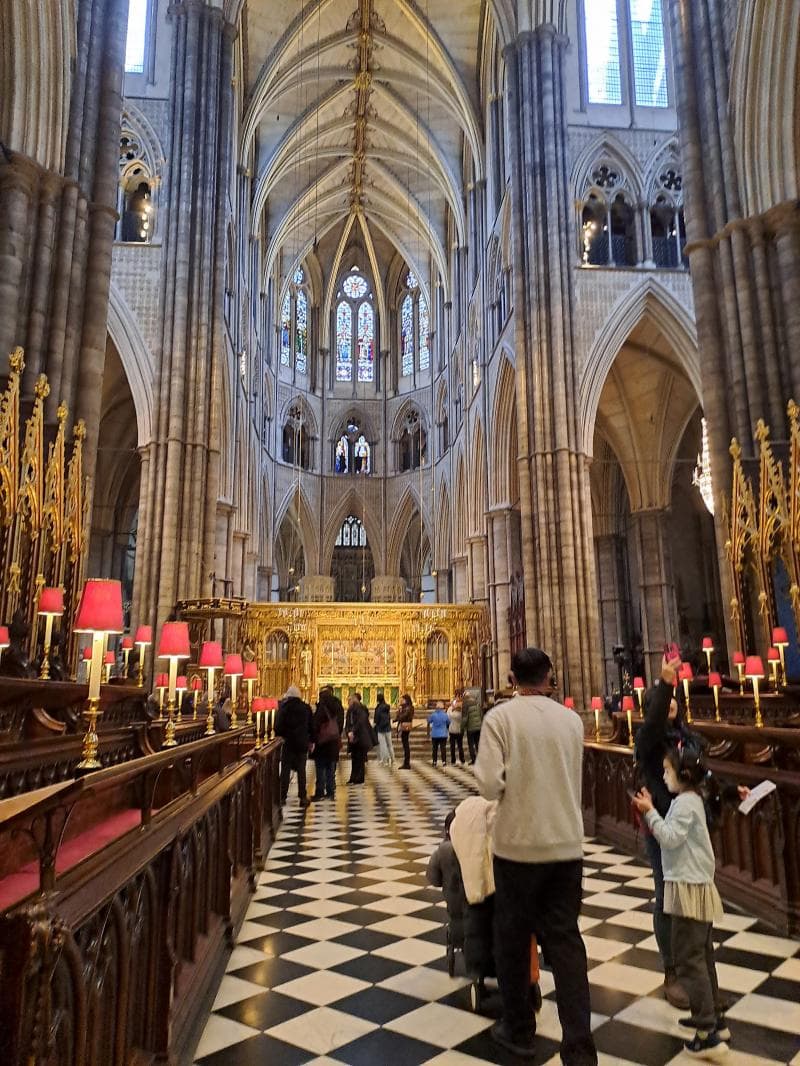

Explore Poets’ Corner in Westminster Abbey, London, United Kingdom. Discover the graves and memorials of literary giants like Chaucer, Dickens, and Shakespeare in this historic shrine.
Overview
Poets' Corner is a profoundly significant section within the south transept of Westminster Abbey, nestled in the heart of London, United Kingdom. It stands as a hallowed shrine dedicated to Britain's most celebrated literary figures, encompassing over a hundred poets, playwrights, and writers. This unique space is not merely a collection of names; it is a national cultural landmark that honors those who have shaped the English language and its rich storytelling traditions. Visitors discover a captivating array of memorials, from simple inscribed floor slabs to elaborate monuments, busts, and hanging tablets, each telling a piece of the literary narrative.
History & Cultural Background
The genesis of Poets' Corner dates back to 1400 with the burial of Geoffrey Chaucer, author of 'The Canterbury Tales'. Intriguingly, his initial interment in Westminster Abbey was not primarily due to his literary genius, but rather his position as Clerk of the King's Works. This initial placement, however, laid the groundwork for a tradition that would flourish over centuries. More than a century and a half later, in 1556, Chaucer's remains were transferred to a more magnificent tomb erected by Nicholas Brigham. The tradition gained significant momentum with the burial of Edmund Spenser, known for 'The Faerie Queene', near Chaucer in 1599. This act solidified the notion of the area as a dedicated space for literary greats, and by the 1730s, it had become affectionately known as 'Poets' Corner'.
Over time, the corner evolved, accumulating memorials and graves that reflect the changing landscape of British literature. William Shakespeare, though buried in Stratford-upon-Avon, received a prominent monument in Poets' Corner in 1740, over a century after his death, underscoring his enduring legacy. The tradition continues to this day, with the Deans of Westminster carefully deciding who is granted a place, often after wide consultation, based on their significant contributions to British culture.
What Makes It Special
Poets' Corner offers a tangible connection to the literary giants who have shaped the English-speaking world. It's a rare privilege to walk among the resting places and tributes of so many influential minds. The diversity of the memorials is striking; some literary figures are interred directly beneath the floor, their names etched into stone slabs that visitors literally walk over, evoking a sense of shared ground with history. Others are honored with grand sculpted monuments, intricate busts, or elegant wall tablets. It is important to note that many celebrated authors, such as Jane Austen and the Brontë sisters, are commemorated here with memorials rather than burials, acknowledging their impact without requiring their physical presence. As space within this historic section becomes increasingly limited, innovative new forms of commemoration, like memorial window panels, have been introduced, ensuring that future generations of literary heroes can still be honored.
Stories, Fun Facts & Local Details
- Chaucer's Initial Burial: Geoffrey Chaucer's burial in 1400 was primarily due to his role as Clerk of the King's Works, not his literary fame, a detail that adds an unexpected layer to the corner's origins.
- Byron's Delayed Honour: The renowned Romantic poet Lord Byron, despite his literary prowess, was denied a memorial for many years due to his scandalous lifestyle, only receiving one in 1969, nearly 150 years after his death.
- Hardy's Divided Remains: The burial of Thomas Hardy was famously controversial; his heart was interred in his beloved Dorset, while his ashes found their final resting place in Poets' Corner.
- Dickens' Unwilling Burial: Charles Dickens, a literary titan, had expressed a wish for a quiet funeral in Kent, yet his immense public standing led to his burial here in 1870, against his personal desire.
- Unexpected Occupants: Not all commemorated individuals are strictly writers. For instance, Thomas Parr, famously claimed to have lived to 152 years old, is buried here, as is Laurence Olivier, the only actor to be interred in Poets' Corner.
- Sisterly Remembrance: The Brontë sisters share a joint memorial, commissioned in 1939 but unveiled only in 1947 due to the Second World War.
Visitor Perspective
Visiting Poets' Corner is an integral and often deeply moving part of the Westminster Abbey experience. It is located in the south transept and is included as part of the standard visitor route through the Abbey; no separate ticket is required. As an active place of worship and a solemn memorial, visitors are asked to observe respectful behavior. Photography is generally not permitted anywhere inside Westminster Abbey, ensuring a contemplative atmosphere. To fully absorb the significance of this literary sanctuary, it is recommended to allocate ample time during your visit. The Abbey is typically open for sightseeing Monday to Saturday, but it is exclusively reserved for worship services on Sundays, meaning Poets' Corner is not accessible for tourists on that day. There is no strict dress code for general visits, but modest and appropriate attire for a working church is always recommended.
Coordinates: -0.12695, 51.4993
View on Google Maps💬 How Travelers Describe This Place
Based on community votes
Interesting
931Beautiful
692Unique
491Photogenic
266Must See
261
Traveler Stories
Discover memorable experiences shared by travelers who have visited this place.
No traveler stories yet.
Be the first traveler to share what made this place memorable.

Tour
By
Spot
Discover amazing places around the world. Your journey starts here.
Explore
© 2026 TourBySpot. All rights reserved.