Plaza Roma
Manila, Philippines
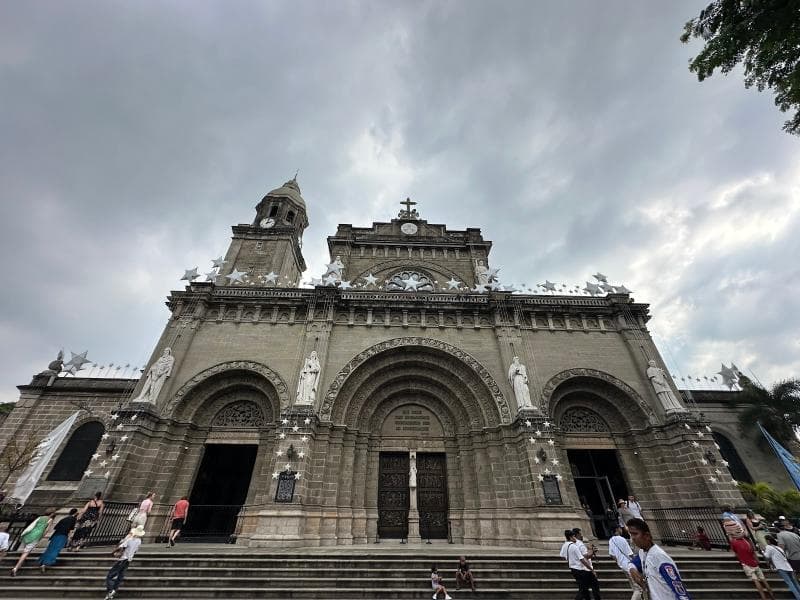
Explore Plaza Roma, the historic heart of Intramuros, Manila, Philippines. Discover centuries of history, iconic landmarks, and cultural significance.
Overview
Plaza Roma, nestled within the historic walled city of Intramuros in Manila, Philippines, serves as a poignant reminder of the nation's rich and complex past. This central public square, once the heart of Spanish colonial Manila, is surrounded by architectural masterpieces that tell tales of faith, governance, and resilience. It is a place where cobblestone paths invite reflection, and grand structures stand as silent witnesses to centuries of history. More than just a park, Plaza Roma embodies the enduring spirit of the Filipino people and the profound influence of Spanish heritage on their culture.
History & Cultural Background
Established in 1583, Plaza Roma is one of Manila's oldest public squares, initially known as 'Plaza Mayor'. During the Spanish colonial era, it was the civic heart of the city, hosting a variety of public events, including bullfights, before being converted into a garden in 1797 by Governor-General Rafael Maria de Aguilar.
Its name has evolved through different periods of Philippine history. During American rule, in 1901, it was renamed Plaza McKinley, honoring U.S. President William McKinley. The plaza received its current name, Plaza Roma, in 1961. This renaming was a tribute to the College of Cardinals in Rome, following the elevation of Rufino Santos as the first Filipino cardinal. In a gesture of reciprocity, the city of Rome named one of its own squares 'Piazzale Manila'.
Surrounding Plaza Roma are three historically significant landmarks: the majestic Manila Cathedral to the south, the Palacio del Gobernador (Governor's Palace) to the west, and the former Ayuntamiento de Manila (City Hall) to the east. These buildings formed the nucleus of colonial power and religious authority, creating a quintessential Spanish colonial city planning prototype still evident today.
What Makes It Special
What truly makes Plaza Roma special is its layered history and its central role in the narrative of Intramuros. It is a living tableau where the past is palpable, offering visitors a tangible connection to pivotal moments that shaped the Philippines. The plaza's enduring centerpiece is the bronze monument of King Charles IV of Spain, erected in 1824. This statue honors the king for his crucial act of sending the first smallpox vaccine to the Philippines, a public health initiative that saved countless lives.
The plaza's architectural design, blending European and Filipino influences, symbolizes the unique cultural fusion that defines Manila's heritage. It continues to serve as a hub for cultural activities and religious ceremonies, especially given its proximity to the Manila Cathedral. The commitment of organizations like the Intramuros Administration to preserve its historical integrity ensures that Plaza Roma remains a vibrant public space for tours, cultural events, and historical reflection.
Stories, Fun Facts & Local Details
One fascinating aspect of Plaza Roma is the story behind the King Charles IV monument. Initially, the monument was briefly replaced in the 1960s with a statue dedicated to the Gomburza, three Filipino martyr priests, but the original King Charles IV monument was re-installed in 1981, highlighting the complexities of historical memory and national identity.
The reciprocal naming of Piazzale Manila in Rome is a testament to the deep historical and religious ties between the Philippines and the Vatican. Visitors might also notice the modern 'Book Stop Intramuros', a local unit of The Book Stop Project, offering a contemporary touch to this historic square and fostering a love for reading.
On Sundays, the plaza often transforms into a lively scene, with stalls selling local crafts and souvenirs, and street performers entertaining crowds of churchgoers, wedding parties, tourists, and vendors. It's a place where the echoes of history meet the vibrancy of contemporary Filipino life.
Visitor Perspective
For any curious traveler, Plaza Roma offers a serene yet historically rich experience. It is easily accessible within Intramuros, making it a perfect starting point for exploring the Walled City. Walking through the plaza, one can absorb the grandeur of the Manila Cathedral, the imposing presence of the Palacio del Gobernador, and the significant location of the Ayuntamiento.
Visitors are encouraged to take their time, perhaps enjoying a traditional Kalesa (horse-drawn carriage) ride around the area to fully immerse themselves in the colonial ambiance. Early mornings or late afternoons are ideal for a visit to avoid crowds and the midday heat, allowing for a more peaceful experience and excellent photo opportunities. Surrounding attractions like Fort Santiago and San Agustin Church are just a short walk away, completing a deep dive into Manila's historical and cultural heritage.
Coordinates: 120.97306, 14.59222
View on Google Maps💬 How Travelers Describe This Place
Based on community votes
Beautiful
921Interesting
831Unique
232Photogenic
211Must See
147
Traveler Stories
Discover memorable experiences shared by travelers who have visited this place.
No traveler stories yet.
Be the first traveler to share what made this place memorable.

Tour
By
Spot
Discover amazing places around the world. Your journey starts here.
Explore
© 2026 TourBySpot. All rights reserved.