Planetary Posts
Yangon, Myanmar
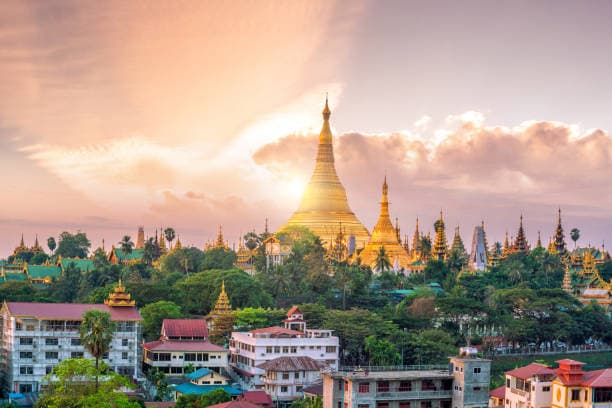
Discover the spiritual Planetary Posts at Shwedagon Pagoda in Yangon, Myanmar, where ancient astrology meets Buddhist tradition.
Overview
Nestled within the awe-inspiring complex of the Shwedagon Pagoda in Yangon, Myanmar, are the 'Planetary Posts,' a unique and deeply spiritual facet of Burmese Buddhist tradition. These eight posts, encircling the main stupa, represent the days of the week, with a special division for Wednesday, and are intertwined with a rich blend of Buddhist beliefs and ancient Hindu astrological concepts. For many Burmese Buddhists, a visit to their specific planetary post, determined by their birth day, is a profound ritual, offering a tangible connection to their spiritual path and seeking blessings for their lives.
Each post features a Buddha image, a specific animal totem, and corresponds to a cardinal direction, creating a personalized sacred space for devotees. Travelers exploring the golden grandeur of Shwedagon will witness pilgrims performing blessing rituals, pouring water over the Buddha images, offering flowers, and quietly reciting prayers, an intimate glimpse into the heart of Myanmar's vibrant spiritual culture.
History & Cultural Background
The practice surrounding the Planetary Posts at Shwedagon Pagoda is a fascinating example of how indigenous beliefs have blended with Theravada Buddhism in Myanmar. Burmese astrology, known as Mahabote, draws from ancient Indian astrological systems but has developed its own distinct characteristics. Central to this system is the recognition of an eight-day week. While most calendars have seven days, Burmese tradition ingeniously splits Wednesday into two distinct periods: Wednesday morning and Wednesday afternoon, each with its own planetary association.
This eight-day week forms the basis for the eight Planetary Posts, each aligned with a specific compass point around the pagoda's plinth. This tradition underscores the deep cultural importance of knowing one's birth day in Myanmar, as it dictates which planetary post holds personal significance. The blending of these astrological elements with Buddhist practice is not universally accepted by all Burmese, with some viewing the astrological components as non-Buddhist. However, for a significant portion of the population, these posts are an integral part of their religious expression and spiritual well-being.
What Makes It Special
The Planetary Posts offer an exceptionally intimate and interactive spiritual experience not commonly found in other Buddhist sites. Unlike simply observing, visitors are invited to participate in a centuries-old ritual. The unique eight-day astrological system, which assigns a specific animal and planet to each day, makes this practice distinctly Burmese. For instance, Sunday is linked to the Garuda, Monday to the Tiger, Tuesday to the Lion, Wednesday morning to the tusked Elephant, Wednesday afternoon to the tuskless Elephant, Thursday to the Mouse, Friday to the Guinea Pig, and Saturday to the Naga (mythical serpent).
The ritual of pouring water over the Buddha image at one's birth-day post is believed to cleanse and bring good fortune, symbolically 'refreshing' the Buddha and oneself. This act is often accompanied by silent prayers and wishes, creating a deeply personal moment of devotion. The posts represent a confluence of ancient cosmology, spiritual belief, and personal destiny, making them a powerful focal point for pilgrims seeking merit, protection, and peace of mind.
Stories, Fun Facts & Local Details
A fun fact about the Planetary Posts is how deeply ingrained they are in the daily lives of Burmese people. Many know their birth day of the week, and it's common for decisions, from naming a child to seeking remedies for misfortune, to be influenced by astrological readings tied to these planetary associations. Astrologers, known as 'behdin saya,' might even advise individuals on which specific post to visit and how many times to pour water to address particular life challenges or seek blessings.
The animals associated with each day are not merely decorative; they carry symbolic weight within Burmese culture and mythology. The tuskless elephant for Wednesday afternoon, for example, represents the planet Rahu, which holds a distinct and important position in Burmese astrology, differing from its interpretation in Hindu astrology. The entire circular arrangement of these posts around the main stupa encourages a clockwise circumambulation, a common practice in Buddhist devotion, where pilgrims move from one sacred point to another, absorbing the spiritual energy of the pagoda.
Visitor Perspective
For visitors to Shwedagon Pagoda, encountering the Planetary Posts offers a profound opportunity to witness and respectfully partake in a living religious tradition. The experience is incredibly humbling, observing the earnest devotion of locals as they perform their rituals. While there's no prescribed way for tourists to pray, observing the local customs provides valuable insight into Myanmar's cultural fabric. Visitors should remember that this is an active place of worship, and respect for the local practices is paramount.
Walking barefoot around the main platform, as is customary, allows for a more connected experience with the sacred ground. The air, often filled with the faint scent of incense and the soft murmur of prayers, adds to the serene atmosphere. Engaging with a local guide can enhance the understanding of these intricate traditions, providing context to the animals, planets, and rituals. The Planetary Posts are not just historical markers; they are vibrant centers of devotion, offering a unique window into the spiritual heart of Myanmar.
Coordinates: 96.14951, 16.79879
View on Google Maps💬 How Travelers Describe This Place
Based on community votes
Interesting
989Unique
613Photogenic
581Must See
514Beautiful
207
Traveler Stories
Discover memorable experiences shared by travelers who have visited this place.
No traveler stories yet.
Be the first traveler to share what made this place memorable.

Tour
By
Spot
Discover amazing places around the world. Your journey starts here.
Explore
© 2026 TourBySpot. All rights reserved.