Picnic Areas
Almaty, Kazakhstan
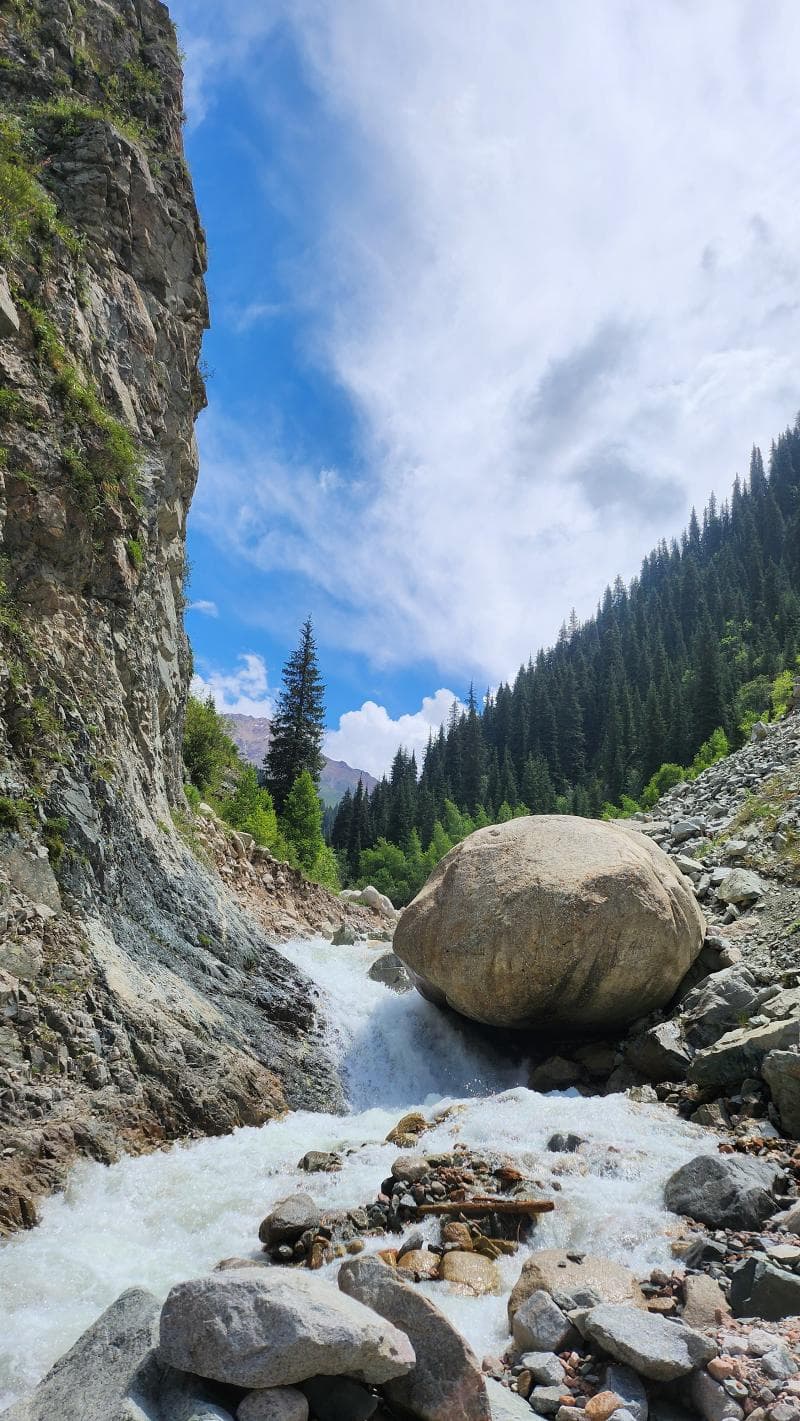
Discover serene picnic areas at Big Almaty Lake in Almaty, Kazakhstan. Enjoy breathtaking alpine views and turquoise waters in this natural mountain escape.
Overview
Nestled high in the Trans-Ili Alatau mountains, approximately 15 to 20 kilometers south of Almaty, Kazakhstan, lies the breathtaking Big Almaty Lake. This natural alpine reservoir, sitting at an elevation of 2,511 meters above sea level, is a jewel within the Ile-Alatau National Park, captivating visitors with its dynamic beauty. The journey to this serene location offers stunning vistas, winding through mountain roads and dense forests, providing a perfect escape from city life into the grandeur of nature. It's a place where the crisp mountain air invigorates the senses and the panoramic views leave a lasting impression. While exploring the area, visitors often seek out picturesque spots to enjoy a meal amidst this natural splendor. Picnicking by the lake is a cherished activity, allowing travelers to immerse themselves fully in the tranquil environment.
Big Almaty Lake is renowned for its strikingly clear waters, which famously shift in color from milky blue to vibrant turquoise or deep emerald green, depending on the season, the angle of the sunlight, and the glacial melt feeding the lake. This ever-changing palette creates a mesmerizing backdrop for any outdoor activity, making every visit a unique visual experience. The surrounding peaks, such as Tourist, Ozerny, and Sovetov, stand as majestic guardians, completing a landscape that feels pulled from a postcard.
History & Cultural Background
The formation of Big Almaty Lake is a testament to the powerful forces of nature. Thousands of years ago, tectonic shifts and significant glacial activity in the Tien Shan mountains sculpted the basin. A massive earthquake-induced landslide ultimately blocked the flow of the Big Almaatinka river, creating a natural dam that allowed melting glaciers to fill the valley, giving birth to the lake we see today.
Before adopting its current name, the lake was known as 'Zhosalykol' in Kazakh, a name meaning 'ocher-colored lake', referring to the reddish hues of the mountain slopes that descend directly to its waters. Beyond its geological origins, Big Almaty Lake holds a significant place in local folklore and cultural narratives. One popular myth recounts that the lake was formed from the tears of a giant who once resided in these mountains, a story often shared to illustrate the lake's profound beauty and mystique. Its role is not just aesthetic; the lake serves as a vital source of drinking water for the city of Almaty, underscoring its ecological importance and leading to strict protective measures for its preservation.
What Makes It Special
What truly sets the picnicking experience at Big Almaty Lake apart is the extraordinary natural theater in which it unfolds. Imagine spreading out a blanket on a grassy spot, surrounded by the towering, snow-capped peaks of the Trans-Ili Alatau. The air is exceptionally clean and crisp, carrying the scent of pine from the surrounding Tien Shan firs. The centerpiece, of course, is the lake itself—a vast expanse of water reflecting the sky and mountains, its color shifting subtly with every passing cloud and change in light. This dynamic visual spectacle ensures that no two moments spent by the lake are ever quite the same.
Unlike many crowded tourist spots, the designated picnic areas within Ile-Alatau National Park, which encompasses Big Almaty Lake, offer a sense of serene solitude, allowing for genuine connection with nature. It's a rare opportunity to dine al fresco in an untouched alpine environment, where the only sounds are often the gentle breeze, distant birdsong, and perhaps the murmur of nearby streams. The sheer scale of the landscape evokes a feeling of awe, making a simple meal feel like a grand feast in a cathedral of mountains. The combination of easy accessibility from Almaty, coupled with its pristine, high-altitude setting, makes Big Almaty Lake an unparalleled location for a memorable outdoor meal.
Stories, Fun Facts & Local Details
Beyond its striking beauty, Big Almaty Lake is steeped in local charm and interesting facts. For instance, the dramatic shifts in the lake's water color are primarily due to the mineral content carried by glacial meltwaters, which vary throughout the year. The most intense and vibrant turquoise hues are often seen from late spring through early autumn, as the glaciers feed the lake. It is a protected area, not just because of its role as Almaty's water source, but also due to its location within Ile-Alatau National Park, a region rich in biodiversity, including mountain goats, deer, and various bird species.
A fun aspect of local culture is the tradition of families and friends gathering with thoughtfully prepared food, often including traditional Kazakh dishes, for their mountain outings. While swimming in the lake is strictly prohibited to protect the drinking water supply, the joy of simply being present, breathing the pure air, and sharing food with loved ones is the essence of the experience. Visitors might also notice the scientific research station and an astronomical observatory located nearby, benefitting from the region's clear high-altitude skies for atmospheric and space research.
Visitor Perspective
For those planning to enjoy the 'picnic areas' around Big Almaty Lake, it's essential to approach the visit with respect for its pristine environment and a spirit of preparedness. While there are designated areas suitable for picnicking within the broader Ile-Alatau National Park, these are generally informal spots where visitors can lay out their blankets and enjoy their meals, rather than highly developed facilities.
Visitors should be sure to bring all necessary supplies, including food, drinks, and plenty of water, as there are no shops or facilities directly by the lake. Crucially, embracing the 'leave no trace' principle is paramount: all trash and waste must be packed out to preserve the lake's natural beauty and ecosystem. The weather at 2,511 meters can change rapidly, so dressing in layers is advisable, even on sunny days. While access rules for private vehicles can sometimes be restricted, joining an organized tour or utilizing local transport options combined with hiking are popular ways to reach this magnificent destination. Expect to pay a nominal entry fee upon entering Ile-Alatau National Park, which contributes to the park's maintenance and conservation efforts. By respecting these guidelines, you ensure a delightful and responsible picnic experience, surrounded by one of Kazakhstan's most stunning natural wonders.
Coordinates: 76.985, 43.0506
View on Google Maps💬 How Travelers Describe This Place
Based on community votes
Unique
551Beautiful
547Must See
336Interesting
298Photogenic
212
Traveler Stories
Discover memorable experiences shared by travelers who have visited this place.
No traveler stories yet.
Be the first traveler to share what made this place memorable.

Tour
By
Spot
Discover amazing places around the world. Your journey starts here.
Explore
© 2026 TourBySpot. All rights reserved.