Piazza della Rotonda
Rome, Italy
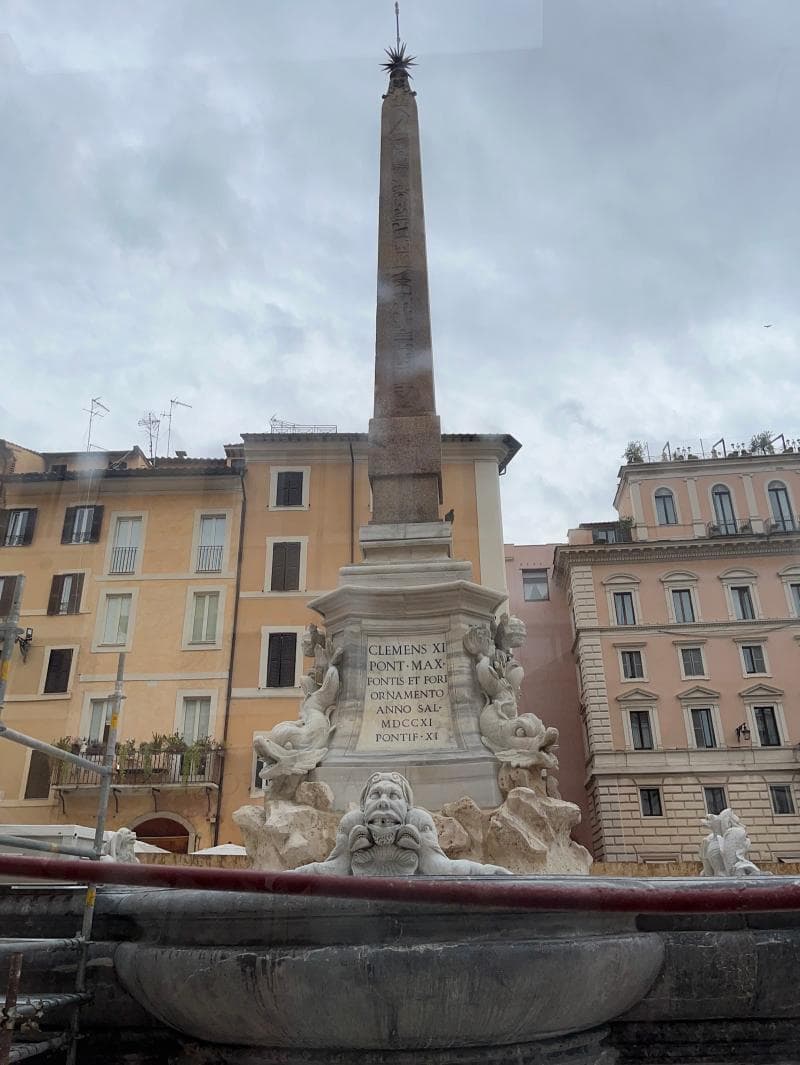
Discover Piazza della Rotonda in Rome, Italy, a vibrant historic square fronting the Pantheon with a stunning fountain and obelisk.
Overview
Piazza della Rotonda is a celebrated city square nestled in the heart of Rome, Italy, instantly recognizable as the grand forecourt to the magnificent Pantheon. This vibrant public space, often informally called Piazza del Pantheon by locals, draws its official name from the Pantheon's medieval designation as the church of Santa Maria Rotonda. It is a place where ancient history gracefully converges with the lively rhythm of modern Roman life, offering visitors a quintessential experience of the Eternal City.
History & Cultural Background
The origins of Piazza della Rotonda are intimately linked with the Pantheon itself. In ancient Roman times, the area served as a broad open space directly in front of the temple, accommodating its imposing portico. Over centuries, this space became cluttered with medieval structures, including sheds and small shops that had grown up around the Pantheon's columns. A significant transformation occurred in the 15th century when Pope Eugenius IV (1431–39) ordered the clearing of these accretions, paving the way for the organized layout of the piazza.
The square's iconic centerpiece, the Fontana del Pantheon, was designed by Giacomo della Porta in 1575 under Pope Gregory XIII, as part of a larger project to extend the city's water distribution. Initially a simpler basin, it underwent further enhancements. In 1711, Pope Clement XI commissioned the addition of an ancient Egyptian obelisk, known as the Obelisco Macutèo, to surmount the fountain. This obelisk, originally erected by Pharaoh Ramses II for a temple in Heliopolis, had been rediscovered in the 14th century and stood in a nearby piazza before its relocation. The square also played a vital social and economic role, notably serving as a bustling market in the 19th century, famous for its bird-sellers, fruit, and cake stalls.
What Makes It Special
Piazza della Rotonda's unique allure stems from its remarkable blend of ancient grandeur and vibrant contemporary atmosphere. It is one of Rome's most beloved squares, where the architectural marvel of the Pantheon, the best-preserved building of ancient Rome, dominates the southern side. The Fontana del Pantheon, with its playful Baroque elements and the towering Egyptian obelisk, provides a focal point and a constant source of refreshment and aesthetic pleasure. The surrounding buildings, many dating from the 17th and 18th centuries, house cafes, restaurants, and shops, creating an enclosed, harmonious space that feels both historic and alive. This harmonious composition encourages visitors to linger, to absorb the centuries of history, and to simply be present in one of Rome's most iconic settings.
Stories, Fun Facts & Local Details
Beyond its monumental beauty, Piazza della Rotonda holds many charming stories. Imagine the 19th-century bird market, where vendors sold parrots, nightingales, and owls, adding a unique soundtrack to the square's daily life. Historical accounts also describe vibrant Christmas fairs held here, filled with festive stalls. A plaque on a building opposite the Pantheon recounts past papal decrees from the 18th century, aiming to curb 'ignoble taverns' and brothels to preserve public morality around such a sacred site. The square also boasts a connection to the literary world, as the poet Torquato Tasso is said to have resided in the building now housing the Hotel del Sole.
The piazza's paving with characteristic Roman *sanpietrini* (small basalt blocks) in the early 19th century under Pope Pius VII further solidified its classic Roman identity. Even film buffs might find a connection, as British director Peter Greenaway reportedly chose the piazza for scenes in his film 'The Belly of an Architect.' These details contribute to the piazza's rich tapestry, revealing its continuous evolution as a focal point of Roman life.
Visitor Perspective
For the curious traveler, Piazza della Rotonda offers an unparalleled sensory experience. It's a place to pause, reflect, and observe the lively tableau of Roman street life. From street artists and musicians to vendors and locals enjoying an espresso, the square is a constant hub of activity. Finding a spot on the steps of the fountain or at one of the surrounding cafe tables provides an ideal vantage point for people-watching and appreciating the Pantheon's grandeur. The square's pedestrian-friendly nature, being largely restricted to traffic, encourages leisurely strolls through its historic ambiance. Whether visited at dawn for a moment of tranquility or in the bustling afternoon, Piazza della Rotonda offers a deeply engaging glimpse into Rome's enduring spirit.
Coordinates: 12.47689, 41.89929
View on Google Maps💬 How Travelers Describe This Place
Based on community votes
Must See
717Photogenic
618Interesting
449Beautiful
335Unique
22
Traveler Stories
Discover memorable experiences shared by travelers who have visited this place.
No traveler stories yet.
Be the first traveler to share what made this place memorable.

Tour
By
Spot
Discover amazing places around the world. Your journey starts here.
Explore
© 2026 TourBySpot. All rights reserved.