Photography Points
Ljubljana, Slovenia
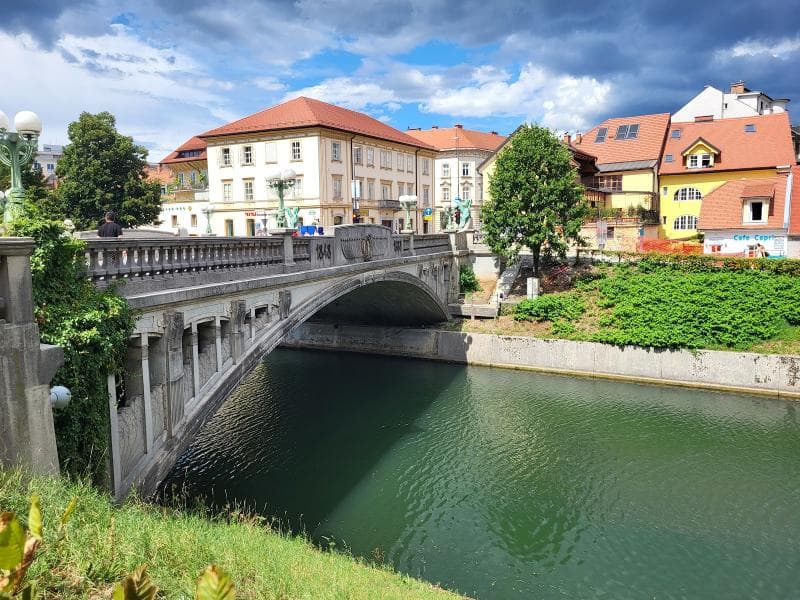
Discover iconic photography points at Ljubljana's Dragon Bridge, famous for its fierce green dragon statues and rich Art Nouveau history in Slovenia.
Overview
The Dragon Bridge, known locally as Zmajski most, is one of Ljubljana, Slovenia's most recognizable and photographed landmarks. Spanning the tranquil Ljubljanica River, this architectural marvel is instantly identifiable by its four imposing dragon statues, which have become an enduring symbol of the city. These mythical guardians capture the imagination of every traveler, making the bridge a quintessential photography point in the heart of the Slovenian capital.
More than just a crossing, the Dragon Bridge is a testament to Ljubljana's rich history and vibrant cultural identity. Its central location makes it an essential stop for anyone exploring the city, offering not only spectacular views of the river and surrounding architecture but also numerous angles to capture its fierce, yet fascinating, inhabitants.
History & Cultural Background
The Dragon Bridge's story begins at the turn of the 20th century. Constructed between 1900 and 1901, it was an ambitious project that replaced an older wooden structure, the Butchers' Bridge, which had been significantly damaged by an earthquake in 1895.
Originally named the Jubilee Bridge of Emperor Franz Josef I, in honor of his 40th reign anniversary, the bridge was a symbol of Ljubljana's modernization following the devastating earthquake. It was among the first reinforced concrete structures in Ljubljana and one of the largest bridges of its kind in Europe at the time, showcasing cutting-edge engineering. The structural design was prepared by Professor Josef Melan, a renowned expert in reinforced concrete construction. The decorative elements, including the iconic dragons, balustrades, and even the original gas-powered lamps, were designed by Dalmatian architect Jurij Zaninović, a student of the celebrated Viennese architect Otto Wagner.
The bridge's Art Nouveau style, with its elegant lines and decorative flourishes, reflects the progressive spirit of the era. The name 'Dragon Bridge' was formally adopted in 1919, solidifying the mythical creatures' place in the city's identity.
What Makes It Special
What truly sets the Dragon Bridge apart are its four large copper dragons, perched majestically at each corner. These statues, with their wings raised and fierce expressions, are not merely decorative; they are a powerful emblem of Ljubljana, symbolizing strength, courage, and protection.
Over time, the copper has oxidized, giving the dragons a distinctive green hue that adds to their ancient and formidable appearance. Beyond these main guardians, smaller griffin statues adorn the bridge's balustrades, adding further intricate detail to its Art Nouveau design. The bridge itself was a marvel of early 20th-century engineering, being one of the first reinforced concrete bridges in Europe, a fact that sometimes gets overshadowed by its more charismatic residents.
The blend of pioneering construction techniques with the timeless allure of mythical beasts creates a unique landmark that fascinates both engineers and artists alike. It stands as a protected technical monument, revered for both its structural innovation and its artistic beauty.
Stories, Fun Facts & Local Details
The presence of dragons in Ljubljana is deeply rooted in local legend. The most famous tale connects the city's founding to the Greek hero Jason and his Argonauts. According to the myth, on their journey back after acquiring the Golden Fleece, Jason and his crew encountered and defeated a fierce dragon in the Ljubljana Marshes, where the city now stands. This legendary battle cemented the dragon as Ljubljana's enduring symbol, even appearing on its coat of arms.
Beyond this epic legend, a more whimsical local anecdote circulates: it's said that the dragons on the bridge will wag their tails whenever a virgin crosses. This playful piece of folklore adds a touch of charm and humor to the bridge's grand history, often bringing a smile to visitors' faces. Interestingly, the dragons were originally envisioned as winged lions in the architect's initial plans, but were later changed to dragons, a decision that proved immensely popular and culturally resonant. The bridge was also the first structure in Slovenia to be surfaced with asphalt.
Visitor Perspective
For visitors, the Dragon Bridge offers numerous 'photography points' that capture its grandeur and the mystique of its guardians. Walking directly across the bridge provides an opportunity for close-up shots of the dragon statues, allowing photographers to focus on their intricate details and formidable expressions. The fierce green dragons are a prime subject for unique portraits and selfies.
For a wider perspective, consider photographing the bridge from the riverbanks along the Ljubljanica. This angle allows you to capture the entire span of the bridge, the river's gentle flow, and the charming cityscape beyond, including glimpses of Ljubljana Castle and the Cathedral of Saint Nicholas. Taking a boat ride on the Ljubljanica River offers another distinct viewpoint, providing reflections of the bridge and its dragons on the water.
To achieve the best lighting and avoid crowds, aim for early morning or late afternoon visits. The golden hour at sunrise or sunset casts a warm glow on the dragons and creates stunning reflections, while early mornings often mean fewer people, allowing for unobstructed shots. Be mindful of traffic if attempting shots from the middle of the road, only doing so when safe. The Dragon Bridge is conveniently located near the vibrant Central Market, making it easy to combine a visit with exploring local produce and crafts.
Coordinates: 14.51031493, 46.05185257
View on Google Maps💬 How Travelers Describe This Place
Based on community votes
Must See
998Unique
903Beautiful
481Interesting
458Photogenic
197
Traveler Stories
Discover memorable experiences shared by travelers who have visited this place.
No traveler stories yet.
Be the first traveler to share what made this place memorable.

Tour
By
Spot
Discover amazing places around the world. Your journey starts here.
Explore
© 2026 TourBySpot. All rights reserved.