Photography Area
Helsinki, Finland
Explore the Photography Area at Sibelius Monument in Helsinki, Finland, a stunning abstract sculpture and bust dedicated to Jean Sibelius. Discover its unique design and prime photo spots.
Overview
Nestled within the picturesque Sibelius Park in Helsinki, Finland, the Sibelius Monument stands as a powerful and highly photographed tribute to the renowned Finnish composer Jean Sibelius (1865–1957). This unique public artwork, sculpted by Eila Hiltunen, is one of Helsinki's most iconic modern landmarks and a significant cultural attraction, drawing approximately half a million visitors annually. Far from a traditional statue, the monument comprises two distinct elements: an abstract cluster of over 600 welded stainless steel pipes and a separate, high-relief bust of Sibelius. This 'Photography Area' within the monument invites visitors to explore various angles and perspectives, capturing its striking design against the serene backdrop of the park and the sea.
History & Cultural Background
Jean Sibelius is celebrated as Finland's greatest composer, playing a pivotal role in shaping the nation's cultural identity during its struggle for independence. After his death in 1957, the Sibelius Society organized a competition in 1961–1962 to design a memorial worthy of his legacy. The winning entry, 'Passio Musicae' (originally 'Credo'), came from Finnish sculptor Eila Hiltunen. However, the abstract nature of her design ignited a significant public debate in the 1960s, as many expected a more conventional, figurative representation of the composer. To address these criticisms, a separate bust of Sibelius was later added about 15 meters from the main pipe sculpture. The monument was finally unveiled on September 7, 1967, and has since become a beloved symbol of Finnish art and music.
What Makes It Special
The Sibelius Monument is an extraordinary example of modern sculpture. Its primary element is an undulating mass of over 600 acid-resistant stainless steel pipes, weighing 24 tonnes and measuring 8.5 meters high, 10.5 meters long, and 6.5 meters deep. Hiltunen intended this abstract form to symbolically evoke the atmosphere and emotional power of Sibelius's music, particularly its connection to Finnish nature. While often perceived as resembling an organ, the sculptor envisioned it more as a representation of nature—such as birch woodlands, shore reeds, or ice formations—and the fluid character of music itself. The monument is also unique for its immersive quality; visitors can step inside the pipe cluster, where wind passing through creates subtle, melodious sounds, turning it into an unintentional 'sound sculpture'.
Stories, Fun Facts & Local Details
- The Controversy's Resolution: The initial public outcry over the abstract design led to the addition of the realistic bust of Sibelius, ensuring a more recognizable tribute for those who preferred figurative art. Interestingly, this compromise itself remains a topic of discussion among art historians.
- A Global Presence: Smaller versions or sculptural details of Hiltunen's work can be found beyond Helsinki. A smaller version of the monument is located at the UNESCO headquarters in Paris, and sculptural details are placed in the yard of the United Nations headquarters in New York, extending its cultural reach.
- Inspired by Nature: Sibelius's music often drew inspiration from Finland's forests, lakes, and Nordic nature. The monument visually reflects this profound connection, blending seamlessly with the surrounding park's rugged rocks and trees.
- An Immersive Experience: Beyond its visual appeal, visitors are encouraged to stand within the pipe structure. Here, the interplay of wind, echoing voices, and birdsong creates a unique auditory experience, a testament to the monument's dynamic interaction with its environment.
Visitor Perspective
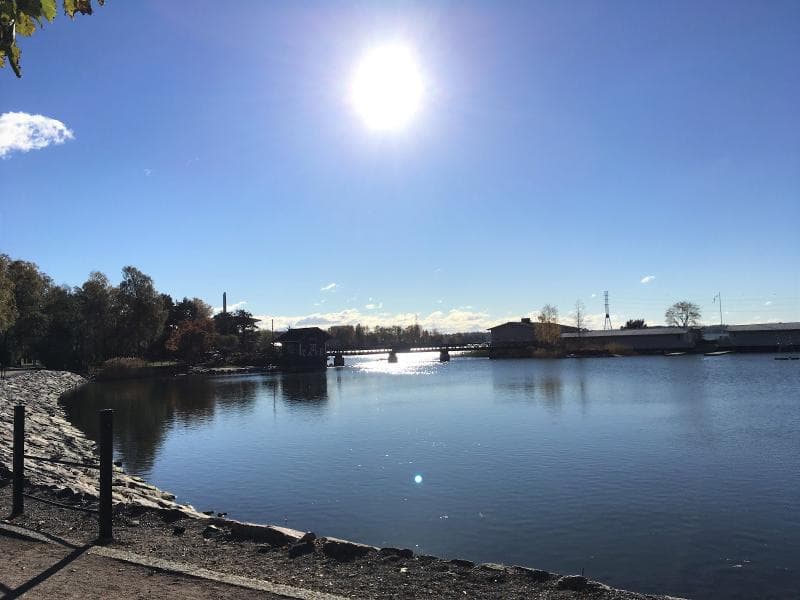
The Sibelius Monument is a photographer's dream, offering countless opportunities to capture its distinctive beauty. The abstract pipes, with their undulating patterns and reflective surfaces, present fascinating compositions from every angle. Standing directly underneath and pointing the camera upwards provides a dramatic and unusual perspective, emphasizing the sculpture's height and intricate structure. The contrast between the cold, industrial steel and the natural elements of Sibelius Park—trees, rock formations, and the nearby Baltic Sea—makes for compelling photographs. The separate bust of Sibelius also serves as an excellent focal point, particularly when framed with the larger pipe sculpture in the background. The changing light throughout the day, especially sunrise or sunset, can dramatically alter the monument's appearance, creating stunning visual effects on the steel. The serene seaside setting of Sibelius Park itself encourages a leisurely visit, inviting contemplation and providing a peaceful backdrop for capturing this powerful artistic statement.
Coordinates: 24.91342, 60.18203
View on Google Maps💬 How Travelers Describe This Place
Based on community votes
Photogenic
872Interesting
846Must See
201Beautiful
121Unique
87
Traveler Stories
Discover memorable experiences shared by travelers who have visited this place.
No traveler stories yet.
Be the first traveler to share what made this place memorable.

Tour
By
Spot
Discover amazing places around the world. Your journey starts here.
Explore
© 2026 TourBySpot. All rights reserved.