Photo Spots
Berlin, Germany
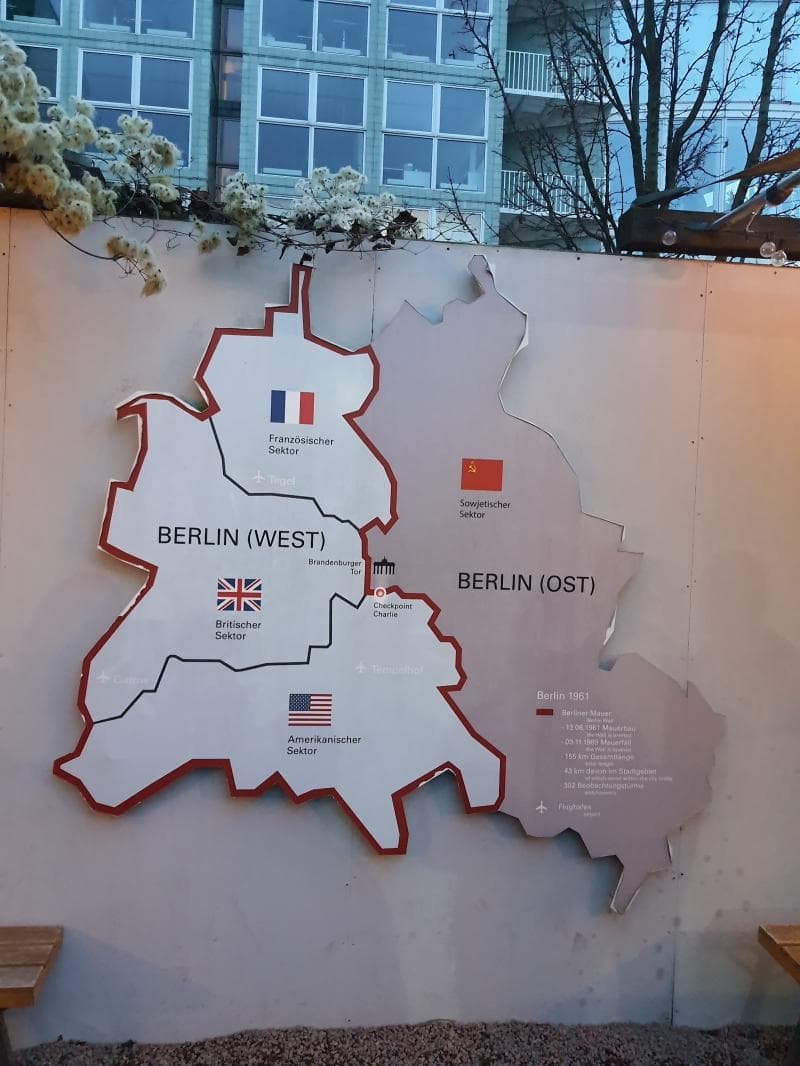
Explore the iconic Photo Spots at Checkpoint Charlie in Berlin, Germany, a historic symbol of the Cold War and divided city. Capture its replica guard house and powerful history.
Overview
Checkpoint Charlie, located at the intersection of Friedrichstraße and Zimmerstraße in Berlin, Germany, stands as a poignant and iconic symbol of the Cold War and the division of the city. While no longer an active border crossing, the site has been meticulously preserved and reconstructed to offer visitors a tangible connection to a tumultuous period in 20th-century history. As a prime 'Photo Spot,' it draws countless travelers keen to capture the essence of its past. Here, the replica guard house, the famous 'You are leaving the American sector' sign, and sandbags evoke the tense atmosphere that once characterized the frontier between East and West Berlin.
Today, the area serves as an open-air museum, inviting curiosity and contemplation, with informative panels and nearby museums providing deeper insights. The site acts as a visual gateway into the human stories of courage, separation, and the enduring quest for freedom that unfolded here.
History & Cultural Background
Checkpoint Charlie earned its name from the NATO phonetic alphabet, being the third Allied checkpoint after Alpha (Helmstedt-Marienborn) and Bravo (Dreilinden-Drewitz). Established shortly after the construction of the Berlin Wall in August 1961, it quickly became the most famous crossing point between East and West Berlin. Initially intended for Allied military personnel, diplomats, and foreigners, it symbolized the iron curtain dividing not just a city, but ideologies.
The checkpoint was the stage for some of the Cold War's most dramatic moments, including a tense standoff in October 1961 when American and Soviet tanks faced each other with live ammunition, pushing the world to the brink of conflict. Beyond high-stakes political drama, Checkpoint Charlie witnessed numerous harrowing escape attempts from East Berlin. Some succeeded ingeniously, using hot air balloons, modified vehicles, or tunnels, while others tragically failed.
What Makes It Special
What makes Checkpoint Charlie a uniquely powerful photo spot is its ability to visually encapsulate a monumental historical narrative. The instantly recognizable replica guard house, complete with its white paint, sandbag barriers, and the stark, multilingual sign proclaiming 'YOU ARE LEAVING THE AMERICAN SECTOR', serves as a compelling focal point. These elements are not just props; they are historically informed recreations that transport visitors to the Cold War era. Flanking the checkpoint are large portraits by artist Frank Thiel, depicting an American and a Soviet soldier, staring across the former divide. These striking images add a human, confrontational dimension to the scene.
The surrounding open-air exhibition further enhances the photographic appeal, with information panels displaying historical photographs and detailing personal stories of those affected by the Wall. This blend of symbolic structures, powerful imagery, and contextual information creates a multi-layered visual experience, allowing photographers to capture both the iconic and the intensely human aspects of the site.
Stories, Fun Facts & Local Details
The 1961 tank standoff is perhaps the most gripping story associated with Checkpoint Charlie, a 16-hour confrontation that brought the superpowers perilously close to armed conflict. Another fascinating detail is the identity of the soldier in the widely recognized portrait at the checkpoint: former US army tuba player Jeff Harper. His image is part of a series taken in 1994 to commemorate the last Allied soldiers in Berlin. While often assumed to be actively guarding the checkpoint, these images are symbolic representations.
The site also became a backdrop for numerous spy thrillers and novels, like James Bond's 'Octopussy' and 'The Spy Who Came In From The Cold,' cementing its place in popular culture as a site of intrigue and espionage. Today, the commercialization of Checkpoint Charlie is a notable local detail; actors dressed as Cold War soldiers often pose for photos with tourists, and souvenir shops abound. While some find this detracting, it also reflects Berlin's complex relationship with its past, turning a somber historical site into a bustling, interactive space.
Visitor Perspective
For visitors seeking to capture compelling photographs, timing is crucial. Arriving early in the morning, ideally before 9:00 AM, or later in the afternoon around sunset, often provides the best light and helps avoid the heaviest crowds. This allows for clearer shots of the replica guard house, the sign, and the Frank Thiel portraits without numerous other tourists in the frame. It's important to remember that the site is at a busy intersection, so awareness of traffic is necessary when framing shots.
Beyond the immediate photo opportunities, taking the time to read the outdoor information panels is highly recommended. These provide invaluable context and personal stories that deepen the understanding of Checkpoint Charlie's significance, transforming a mere photo op into a meaningful historical encounter. Nearby, the Wall Museum (Mauermuseum) and the Asisi Panorama Berlin offer further immersive experiences, showcasing escape attempts and providing a panoramic view of divided Berlin.
Coordinates: 13.39028, 52.5075
View on Google Maps💬 How Travelers Describe This Place
Based on community votes
Beautiful
922Must See
665Interesting
379Unique
183Photogenic
19
Traveler Stories
Discover memorable experiences shared by travelers who have visited this place.
No traveler stories yet.
Be the first traveler to share what made this place memorable.

Tour
By
Spot
Discover amazing places around the world. Your journey starts here.
Explore
© 2026 TourBySpot. All rights reserved.